Last Updated on April 13, 2026
Table of Contents
The Nine Realms: Structure of the Norse World
The Nine Realms, also written as Nine Worlds or Niu Heimar, pronounced “neen ree-ahlmz” for Nine Realms and “nee-oo HAY-mar” for Niu Heimar, describe a structured arrangement of interconnected worlds that shape existence across divine, human, and otherworldly spaces. These realms connect through the great tree Yggdrasil, whose name includes the letter combination gg that sounds like a hard “g,” making the pronunciation “IG-drah-sil.” Each realm holds its own environment, beings, and purpose, and together they create a complete system that defines relationships between life, death, and transformation.
The Nine Realms include Ásgarðr (pronounced “AWS-garðr,” where ð sounds like the “th” in “this”), Miðgarðr (“MITH-garðr”), Vanaheim (“VAH-nah-haym”), Jötunheimr (“YOH-tun-haym”), Álfheimr (“AHLF-haym”), Svartálfaheimr (“SVART-ahlf-ah-haym”), Niflheimr (“NIFL-haym”), Muspelheimr (“MOOS-pel-haym”), and Helheimr (“Hel-haym”). These names often include séríslenskur letters such as ð and á, and they reflect linguistic patterns that connect language to place and identity. Each realm contributes to a larger system where boundaries remain defined, yet movement between realms occurs through specific paths and events.
These realms do not exist as isolated spaces, and instead they interact continuously through mythic narratives that describe travel, conflict, and cooperation among their inhabitants. Gods, giants, elves, and humans all occupy distinct realms, yet their stories intersect in ways that reveal a dynamic and interconnected structure. This arrangement allows each realm to maintain its identity while still participating in a broader network that shapes the experience of existence across all levels.
Connections Through Yggdrasil
Yggdrasil serves as the central axis that links the Nine Realms, and its immense structure extends through each world while supporting their continued existence. The tree’s roots and branches reach into different realms, and they create pathways that allow movement and interaction between otherwise distant locations. This connection emphasizes that no realm stands entirely alone, and each one depends on the stability of the greater structure.
Creatures and forces inhabit Yggdrasil itself, and they influence the balance that sustains the Nine Realms through their actions and presence. The well known well Urðarbrunnr (pronounced “OOR-dar-broonnr”) lies near one of its roots, and its waters connect fate with the ongoing life of the tree. These elements create a system where natural forces, personal actions, and larger patterns all contribute to maintaining or disrupting harmony.
Movement between realms does not occur freely for all beings, and specific routes such as Bifröst, the rainbow bridge, provide controlled access between worlds. This structure ensures that travel carries meaning, and it reinforces the idea that crossing boundaries requires purpose or permission. The Nine Realms therefore function as both separate and unified, and their connections define the rhythm of interaction across existence.
Appearances in Old Norse Texts
The Nine Realms appear in the
Accounts within these texts describe how figures travel between Ásgarðr and Miðgarðr, and they show how interactions with Jötunheimr often lead to conflict or transformation. These narratives highlight the importance of boundaries, and they reveal how crossing them affects both individuals and the larger system. The Nine Realms therefore serve as more than locations, and they act as stages where events unfold and shape the course of existence.
Through these stories, the Nine Realms gain depth and clarity, and they present a model of reality that integrates multiple environments into a cohesive structure. Each realm contributes to the overall balance, and their interactions demonstrate how diverse forces coexist within a unified system. This perspective continues to influence how people understand interconnected worlds and the relationships that bind them together.
The Nine Realms are as follows:
- Asgard (Ásgarðr): Home of the Æsir gods like Odin, Thor, and Frigg. This realm represents the divine and is the seat of power and order.
- Midgard (Miðgarðr): The realm of humans. Midgard is the physical world we live in, separated from the other realms by the Bifröst, a rainbow bridge.
- Vanaheim (Vanaheimr): Home of the Vanir gods, deities associated with nature, fertility, and prosperity. After the Æsir-Vanir war there was a truce, and the gods now live in harmony.
- Jötunheimr (Jotunheim): The land of the giants (Jötnar). Jötunheimr represents the forces of chaos and opposition to the gods.
- Alfheimr (Álfheim): The realm of the light elves (ljósálfar). These beings are associated with beauty, creativity, and light.
- Svartalfheimr (Svartálfaheimr): The home of the dark elves (dökkálfar) or dwarves. Svartalfheim is a place of craftsmanship and magic.
- Niflheim (Niflheimr): A cold and misty realm of ice and death. It is the oldest of the realms and contains Helheim, the land of the dead.
- Muspelheim (Múspellsheimr): The realm of fire, home to the fire giants and ruled by the fire giant Surtr. Múspellsheimr represents chaos and destruction.
- Helheim (Helheimr): Often considered part of Niflheim, it is the underworld ruled by Hel. It is where those who die of old age or illness reside.
Each realm has a specific role in the Norse understanding of existence, with Yggdrasil connecting them all. The World Tree supports all life and death.
Runes Reflecting the Nine Realms
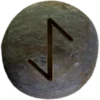
The rune Eihwaz (ᛇ) (pronounced “EYE-wahz”) connects strongly with Yggdrasil and the structure that links the Nine Realms, and it represents endurance, transformation, and the connection between different states of existence. Its symbolism reflects the stability required to maintain such a vast system, and it aligns with the idea of a central axis that supports all realms. This rune emphasizes resilience, and it shows how strength allows connections to persist through change.
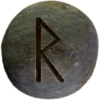
Another rune, Raido (ᚱ) (pronounced “RYE-thoh,” where th sounds like the “th” in “this”), represents travel, movement, and the journey between realms, and it mirrors the pathways that connect different worlds within the Nine Realms. This rune highlights the importance of direction and purpose, and it reflects how movement shapes experience and understanding. Together, these runes express both structure and motion, and they capture essential aspects of the interconnected realms.
The Nine Realms and Their Importance to Asatruar
The Nine Realms hold deep meaning for Asatruar, and they provide a framework that connects spiritual understanding with a structured view of existence. This system allows practitioners to see life as part of a broader network, and it encourages awareness of how actions influence both personal and shared realities. The interconnected nature of the realms supports a perspective that values balance, responsibility, and continuity.
These realms also offer a way to understand different aspects of existence, including growth, conflict, and transition, and they help individuals place their experiences within a larger context. The presence of distinct yet connected worlds reinforces the idea that life includes multiple layers, and that each one contributes to a greater whole. This understanding fosters a sense of connection, and it encourages thoughtful engagement with both the physical and spiritual aspects of life.