Last Updated on April 12, 2026
Table of Contents
Midgard: The Human Realm at the Center
Midgard, also spelled Miðgarðr or Midgarth, pronounced “MID-gard” in English and “MITH-garðr” in Old Norse where ð sounds like the “th” in “this,” represents the realm where humans live and interact with the broader structure of existence. The name combines elements that mean middle and enclosure, and it reflects the idea of a protected space positioned between greater forces. This realm occupies a central position within the Nine Realms, and it connects directly to both divine and external regions.
Midgard exists as a defined world surrounded by protective boundaries, and these boundaries separate it from regions inhabited by giants and other powerful beings. The gods establish these limits to maintain stability, and they ensure that human life continues without constant external disruption. This structure creates a balance between exposure and protection, and it allows development within a controlled environment.
The realm connects to Asgard through Bifröst Bridge, and this connection allows interaction between humans and gods under specific conditions. This pathway reinforces the idea that Midgard does not remain isolated, and it participates in a larger network of relationships. Through this connection, events influence and reflect changes across other realms.
Structure and Environment of Midgard
Midgard includes landscapes that support human life, and these environments provide resources, challenges, and opportunities that shape daily existence. Forests, mountains, and waterways form part of its structure, and they create a dynamic setting where survival and growth depend on interaction with the natural world. This environment encourages adaptation, and it supports a continuous relationship between humans and their surroundings.
The boundary surrounding Midgard often appears as a great ocean inhabited by the serpent Jörmungandr, pronounced “YOR-moon-gand,” where ö produces a rounded vowel sound. This presence reinforces the idea that protection comes with tension, and it ensures that the boundary remains active rather than static. The serpent’s existence creates a constant reminder of forces that lie beyond the human realm.
It also serves as a meeting point where influences from other realms intersect, and it becomes a place where larger events manifest in tangible ways. This position gives it significance beyond its physical boundaries, and it connects human experience to a wider system. Through this role, Midgard functions as both a home and a point of interaction.
Appearances in Old Norse Texts
It appears frequently in the
Accounts within these sources describe the its creation and its protection by the gods, and they illustrate how boundaries maintain order within a complex system. Stories also show interactions between humans and divine figures, and they highlight how these encounters shape understanding and experience. These elements emphasize Midgard’s role as a place where different forces meet and interact.
Through these appearances, Midgard gains depth as a realm that connects daily life with larger patterns, and it demonstrates how individual actions contribute to broader events. The texts present it as a vital component of the overall structure, and they reinforce its importance within the interconnected system of realms.
Runes Connected to Midgard
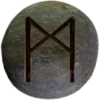
The rune Mannaz (ᛗ), pronounced “MAHN-nahz,” represents humanity, cooperation, and shared experience, and it aligns closely with Midgard as the realm where human life unfolds. This rune reflects the importance of relationships and collective effort, and it emphasizes how individuals contribute to a larger Community. Its symbolism highlights awareness of both self and others, and it connects directly to the nature of life within.
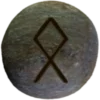
Another rune, Othila (ᛟ), pronounced “OH-thah-lah,” represents heritage, homeland, and inherited space, and it mirrors the concept of Midgard as a defined and protected realm. This rune emphasizes continuity and connection to place, and it reflects how identity develops within a structured environment. Together, these runes express community and belonging, and they capture essential aspects of Midgard’s role.
Midgard’s Importance to Asatruar
Midgard holds central importance for Asatruar, and it represents the realm where daily life, action, and responsibility take place within a larger interconnected system. This perspective encourages individuals to recognize their role within a broader structure, and it promotes awareness of how actions influence both immediate and extended environments. The concept reinforces the value of living with intention and purpose.
The image of Midgard supports a grounded understanding of existence, and it highlights the importance of maintaining balance between protection and openness. Its boundaries emphasize the need for stability, while its connections encourage interaction and growth. This understanding fosters a sense of responsibility, and it supports thoughtful engagement with both personal experiences and shared realities.