Last Updated on April 13, 2026
Table of Contents
Helheim: The Realm of Quiet Continuation
Helheim, also spelled Helheimr, Niflhel, or simply Hel, pronounced “HEL-haym” for Helheim and “NEEF-el-hel” for Niflhel, stands as a realm associated with those who die from illness, age, or causes outside of battle. The name includes the element heimr, which means home or world, and it reflects a place of continued existence rather than final cessation. This realm occupies a distinct position within the greater structure, and it maintains its own atmosphere and order.
It’s not a place of torment or reward, and it instead offers a subdued environment where existence continues in a quieter form. The realm emphasizes memory, endurance, and reflection, and it allows individuals to retain aspects of their identity beyond physical life. This approach creates a perspective on death that focuses on continuation rather than judgment.
The ruler, Hel, governs the realm with a steady and consistent presence, and she ensures that its structure remains intact and balanced. Her authority reinforces the boundaries of the realm, and it maintains a clear distinction between Helheim and other destinations for the dead. Through her role, the realm functions with order and continuity.
Environment and Structure of Helheim
Helheim contains features that reflect its subdued and enduring nature, and these elements create an environment that supports ongoing existence without dramatic extremes. The hall Éljúðnir, pronounced “EL-yooð-neer,” where ð sounds like the “th” in “this,” serves as a central place within the realm, and it receives those who enter. Its name and structure emphasize endurance, and they reflect the qualities associated with the realm itself.
The surrounding landscape includes rivers, gates, and boundaries that define movement within Helheim, and these features ensure that the realm remains organized and stable. The river Gjöll, pronounced “GYOLL,” forms part of this boundary, and it reinforces the separation between Helheim and other realms. These structures create a sense of containment, and they maintain the integrity of the realm.
Helheim does not isolate its inhabitants completely, and it allows a form of interaction and awareness that connects past experiences with present existence. This connection ensures that identity persists, and it supports a continuity that defines the realm’s purpose. Through this structure, it becomes a place of reflection and ongoing presence.
Appearances in Old Norse Texts
Helheim appears in the
One account describes the attempt to retrieve Baldr from Helheim, and it highlights the conditions required for his return, which ultimately remain unmet. This story emphasizes the structured nature of the realm, and it shows how its rules maintain order without exception. The texts use this event to illustrate the balance between possibility and limitation within Helheim.
Through these appearances, it gains a clear identity as a realm that supports continuation and maintains boundaries within a broader structure. Its depiction reinforces the idea that death leads into another state that remains connected to the larger system. The texts present it as a necessary and enduring part of existence.
Runes Associated with Helheim
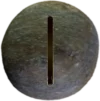
The rune Isaz (ᛁ), pronounced “EE-sahz,” represents stillness, preservation, and a pause within motion, and it aligns closely with the quiet and enduring nature of Helheim. This rune reflects a state where change slows, and it emphasizes the importance of reflection and continuity. Its symbolism highlights stability, and it connects directly to the atmosphere within the realm.
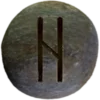
Another rune, Hagalaz (ᚺ), pronounced “HAH-gah-lahz,” represents disruption and transformation, and it complements Isaz (ᛁ) by reflecting the transition that leads into Helheim. This rune emphasizes change that reshapes existence, and it aligns with the shift from life into another state. Together, these runes express stillness and transformation, and they capture key aspects of its role.
Helheim’s Importance to Asatruar
Helheim holds important meaning for Asatruar, and it provides a perspective on death that emphasizes continuation and acceptance rather than fear or finality. This understanding encourages individuals to view mortality as part of an ongoing process, and it supports a balanced approach to life and its eventual transition. The realm reinforces the idea that existence continues in a different form.
Its concept promotes reflection on how one lives, and it highlights the importance of carrying identity and memory forward into the next state. Its structure emphasizes order and continuity, and it encourages individuals to approach life with awareness and intention. This perspective fosters acceptance, and it supports a grounded understanding of change and endurance.