Last Updated on April 13, 2026
Table of Contents
Vanaheim: The Realm of the Vanir Gods
Vanaheim, also spelled Vanaheimr or Vanahaim, stands as one of the Nine Realms and serves as the homeland of the Vanir, a group of gods deeply connected with fertility, prosperity, and the rhythms of nature. The name Vanaheim comes from Old Norse, where “Vanir” refers to this group of deities and “heimr” means home or world, and it is commonly pronounced VAH-nah-hame or VAH-nah-hime. The pronunciation of “heimr” can vary slightly, with “ei” sounding like the “ay” in “day,” while the final “r” carries a soft, rolling quality.
This realm reflects abundance, harmony, and a close relationship between divine forces and the natural environment, offering a contrast to the more warlike associations of other divine groups. The Vanir maintain strong ties to agriculture, wealth, and peaceful living, and their homeland reflects these values through imagery of fertile lands and calm surroundings. Vanaheim functions not only as a physical place but also as a symbol of balance between human life and the cycles of nature.
Nature and Character of Vanaheim
Descriptions remain sparse, yet the available references suggest a land filled with lush growth, flowing waters, and a sense of enduring vitality that shapes the identity of its inhabitants. The Vanir, including figures like Njord, Freyr, and Freyja, embody aspects of fertility, trade, and emotional depth, which connect directly to the environment they inhabit. This connection creates an image of a realm where the land itself responds to divine presence and supports life in a steady, reliable manner.
Unlike harsher or more chaotic realms, Vanaheim emphasizes stability and continuity, and this quality reflects the values that the Vanir bring into their interactions with other realms and beings. The calm nature of Vanaheim does not indicate weakness, as the Vanir demonstrate strength through adaptability and cooperation rather than dominance through conflict. This perspective highlights a different form of power that centers on sustaining life and fostering growth across generations.
The relationship between Vanaheim and other realms becomes especially important during interactions between different groups of gods, where exchanges of knowledge and influence shape the broader structure of the nine realms. The Vanir contribute their understanding of fertility and prosperity, which complements other divine qualities and creates a more complete system of balance. This exchange reinforces its importance as a vital source of life-giving energy within the wider mythic landscape.
Mentions in Early Texts
Vanaheim appears in the Prose Edda, particularly in Gylfaginning, where it is referenced as the home of the Vanir and as part of the broader structure of the nine realms described to explain the nature of the world. These references remain brief, yet they establish Vanaheim as a distinct and recognized realm within the mythic framework, providing a foundation for later interpretations and discussions. The limited detail invites readers to consider the symbolic weight of the realm rather than relying on extensive narrative descriptions.
The Poetic Edda does not provide detailed accounts of Vanaheim itself, but it includes references to the Vanir and their interactions, which indirectly support the importance of their homeland. These mentions contribute to a broader understanding of how the Vanir fit within the divine order and how their realm supports their identity and influence. Through these texts, Vanaheim gains significance not through elaborate storytelling but through its role in shaping the qualities and actions of its inhabitants.
Runes Connected to Vanaheim
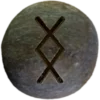
The Elder Futhark rune Ingwaz (ᛜ or ᛝ), also written as Inguz, connects strongly with themes associated with Vanaheim, as it represents fertility, internal growth, and the potential that develops into visible abundance over time. The name Ingwaz (ᛜ or ᛝ) links to a deity connected with fertility, and the rune carries a pronunciation of ING-wahz or ING-wooz depending on interpretation, with the “ng” sound held clearly. This rune reflects the quiet, steady energy that builds beneath the surface before emerging as visible prosperity.
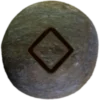
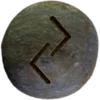
Another rune that aligns with Vanaheim is Jēra (ᛃ), which represents the cycle of the year and the rewards that come from consistent effort and natural progression. Pronounced YEH-rah, with the “j” sounding like an English “y,” this rune emphasizes harvest, timing, and the balance between action and patience. Together, Ingwaz (ᛜ or ᛝ) and Jēra (ᛃ) express the core qualities of Vanaheim by highlighting growth, cycles, and the fulfillment that follows harmony with natural forces.
Vanaheim and Its Importance to Asatruar
Vanaheim holds deep importance for Asatruar because it represents a sacred connection to fertility, land, and the sustaining forces that support both individual life and Community well-being. Practitioners often look to the Vanir and their homeland as sources of guidance for maintaining balance with nature and honoring the cycles that govern growth and renewal. This connection encourages a worldview that values patience, respect for the environment, and an understanding of how prosperity develops over time.
The realm also provides a model for peaceful strength, where cooperation and harmony create lasting stability instead of relying on constant conflict or domination. Asatruar may draw inspiration from Vanaheim when focusing on agriculture, family life, and the preservation of traditions that strengthen communal bonds. Through this perspective, Vanaheim becomes more than a distant realm, as it shapes daily practices and reinforces a respectful relationship with the natural world.