
Last Updated on May 14, 2026
Table of Contents
Origins and Meaning of the Old Norwegian Rune Poem
The Old Norwegian Rune Poem stands among the most important surviving rune poems connected with medieval Scandinavia and Norse Mythology. Scholars often call it the Norwegian Rune Poem or the Old Norse Rune Poem, although the title Old Norwegian Rune Poem appears frequently in modern historical discussions. The name Norwegian comes from the kingdom where scribes preserved the text during the Middle Ages, while Old Norwegian refers to the earlier North Germanic language used across medieval Norway. Pronounce Norwegian as nor WEE juhn, Old Norse as old NORSS, and Rune as ROON.
The poem explains the meanings of runes from the Younger Futhark alphabet through short verses that connect each rune with practical life, nature, religion, and social customs. Pronounce Futhark as FOO thark, because the word comes from the first six rune names within the alphabet itself. Medieval poets composed each line with memorable imagery, allowing learners to recall rune meanings through rhythm and symbolic language. The Old Norwegian Rune Poem therefore served both educational and cultural purposes throughout Norse society.
Many verses within the poem describe common experiences from Scandinavian life, including travel by sea, harsh winters, wealth, livestock, and honor among warriors. The text also reflects the worldview of medieval Norse communities that valued courage, kinship, wisdom, and survival during difficult seasons. Because rune poems connected letters with symbolic lessons, they offered guidance beyond simple literacy and encouraged deeper reflection about human behavior.
The Old Norwegian Rune Poem survives in later manuscript copies rather than original Viking Age documents, although scholars believe its traditions developed from older oral teachings. Scribes preserved the material carefully because runes still carried historical and literary importance even after the spread of Christianity throughout Scandinavia. Historians often compare the poem with the Icelandic Rune Poem and the Anglo Saxon Rune Poem because all three texts explain rune meanings through poetic imagery.
Pronunciation, Language, and Literary Style
The language of the Old Norwegian Rune Poem belongs to Old Norse literary culture, which shaped many sagas and mythological writings across medieval Iceland and Norway. Pronounce Old Norse as old NORSS, Icelandic as ice LAND ik, and saga as SAH guh. Several words within the tradition contain séríslenskur letters from Icelandic and Old Norse alphabets, including Þ and Ð. Pronounce Þ, called thorn, like the TH sound in thing, while pronounce Ð, called eth, like the TH sound in this.
Writers crafted the poem with concise lines filled with symbolic meaning, allowing listeners to remember each rune through vivid associations rather than lengthy explanations. The poem therefore functioned as a teaching device within communities that valued oral memory and poetic recitation. Scandinavian poets often relied upon rhythm and imagery because those techniques helped preserve knowledge across generations before widespread manuscript production.
Several runes within the poem connect directly with ideas found in Norse Mythology, especially themes involving fate, wisdom, travel, and the unpredictable nature of life. Some verses suggest moral lessons, while others describe natural forces that shaped survival throughout northern Europe. Readers today continue studying the poem because it preserves fragments of medieval Scandinavian thought alongside evidence about historical rune traditions.
The poetic structure also reveals how medieval Norse communities understood language as something powerful and sacred rather than merely practical. Rune names carried symbolic weight, and poets treated them with respect because each rune represented both a sound and a meaningful concept. The Old Norwegian Rune Poem therefore provides valuable insight into the intellectual world of medieval Scandinavia and the enduring influence of Norse literary traditions.
The Prose Edda and the Poetic Edda contain important references to runes and their mythological significance, especially through stories involving Odin and magical knowledge. Pronounce Edda as ED duh and Odin as OH din. Although the Old Norwegian Rune Poem does not appear directly within those collections, scholars often study the poem beside Eddic literature because both preserve themes connected with wisdom, memory, and sacred language.
Important Elder Futhark Runes Connected with the Old Norwegian Rune Poem
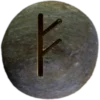
Two Elder Futhark runes often associated with traditions surrounding the Old Norwegian Rune Poem include Fehu (ᚠ) and Ansuz (ᚨ). Pronounce Fehu (ᚠ) as FAY hoo and Ansuz (ᚨ) as AHN sooz. Fehu (ᚠ) traditionally represented wealth, livestock, and prosperity within Germanic societies where cattle measured social standing and economic security. The rune therefore symbolized movement, exchange, and responsibility alongside material success.
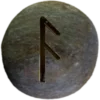
Ansuz (ᚨ) carried strong connections with communication, wisdom, and divine inspiration throughout early Germanic rune traditions. Many scholars associate Ansuz (ᚨ) with Odin because the rune represented speech, poetry, and sacred knowledge. The Old Norwegian Rune Poem reflects similar themes by presenting runes as carriers of practical lessons and cultural understanding. Although the poem focuses on the Younger Futhark system, older Elder Futhark traditions influenced later Scandinavian rune lore and shaped medieval interpretations of symbolic meaning.
Importance of the Old Norwegian Rune Poem to Asatruar
The Old Norwegian Rune Poem remains important to many Asatruar because it preserves historical rune traditions connected with Norse Mythology and early Scandinavian culture. Modern readers often study the poem to better understand how medieval Norse communities interpreted symbols, language, and moral teachings through poetic expression. The text offers cultural continuity by linking contemporary spiritual practices with surviving literary sources from northern Europe.
Many Asatruar value the poem because it presents runes within a historical framework rather than a modern invention disconnected from medieval traditions. Students of Norse spirituality frequently examine the verses to explore ideas about wisdom, fate, personal conduct, and relationships with the natural world. The concise poetic structure also encourages memorization and contemplation, allowing readers to reflect carefully upon each rune name and its symbolic associations.
The Old Norwegian Rune Poem additionally supports linguistic and historical study among people interested in Old Norse heritage and medieval Scandinavian literature. Through its preserved verses, the poem continues to inspire curiosity about ancient traditions, oral storytelling, and the enduring influence of Norse Mythology across modern spiritual communities.