Last Updated on May 14, 2026
Table of Contents
History and Symbolism of the Anglo-Saxon Rune Poem
The Anglo-Saxon Rune Poem remains one of the most valuable surviving rune poems connected with Germanic and Norse literary traditions. Scholars also refer to the text as the Old English Rune Poem or the Anglo Saxon Rune Poem, while some medieval studies use the spelling Anglo Saxon Runic Poem. Pronounce Anglo-Saxon as ANG glo SAK sun, Rune as ROON, and Old English as old ING glish. The poem preserves descriptions of runes from the Anglo-Saxon Futhorc alphabet through short poetic verses filled with symbolism and moral reflection.
The poem originally served as an educational tool that helped readers memorize rune names and understand the cultural meanings attached to each symbol. Medieval teachers and scribes valued mnemonic poetry because rhythmic lines improved memory and encouraged oral recitation among students learning language and literature. Each verse describes a rune through images connected with nature, wealth, warfare, weather, travel, and social life within early Germanic communities.
The Anglo-Saxon Rune Poem reflects influences from both Scandinavian and English traditions because Anglo-Saxon settlers carried older Germanic rune customs into Britain during the migration period. Over time, the rune system expanded into the Futhorc alphabet, which included additional sounds needed for Old English pronunciation. Pronounce Futhorc as FOO thork, because the word derives from the opening rune names within the alphabet itself.
Several terms connected with the poem include séríslenskur letters and historical linguistic forms from related Norse traditions. The letters Þ and Ð appear in Old Norse and Icelandic writings associated with medieval rune scholarship. Pronounce Þ, called thorn, like the TH sound in thing, while pronounce Ð, called eth, like the TH sound in this. Readers often encounter these letters while studying manuscripts related to Germanic mythology and northern European literature.
Language, Pronunciation, and Literary Structure
The language of the Anglo-Saxon Rune Poem belongs to the Old English literary tradition that flourished before the Norman conquest transformed English culture and vocabulary. Pronounce Old English as old ING glish and Norman as NOR mun. Poets composed the verses with alliteration and vivid imagery because those techniques strengthened oral storytelling traditions throughout medieval northern Europe.
Many lines within the poem describe ordinary experiences that carried symbolic importance within Anglo-Saxon society, including storms at sea, loyalty among warriors, generous rulers, and seasonal hardships. The poem therefore provides insight into the values and anxieties of early medieval communities living within unstable political landscapes. Historians continue examining the text because it preserves linguistic evidence alongside cultural ideas that shaped Germanic civilization.
Although the poem survives through later manuscript copies rather than original compositions, scholars believe older oral traditions influenced the material preserved within surviving texts. The manuscript tradition demonstrates how scribes protected older rune lore even after Christianity spread widely throughout England and Scandinavia. Readers today often compare the Anglo-Saxon Rune Poem with the Norwegian Rune Poem and the Icelandic Rune Poem because all three works explain runes through poetic symbolism.
Several rune descriptions within the poem also suggest philosophical themes involving fate, wisdom, endurance, and social responsibility. Poets used concise language carefully because every verse needed to communicate practical lessons alongside symbolic meaning. The Anglo-Saxon Rune Poem therefore functioned as both literature and instruction for audiences interested in language, ethics, and inherited cultural memory.
Connections with Norse Mythology and Medieval Tradition
The Anglo-Saxon Rune Poem shares thematic similarities with literary traditions preserved within Norse Mythology, especially stories concerning wisdom, spoken power, and sacred knowledge. Pronounce mythology as mith OL uh jee and sacred as SAY krid. Scholars often examine rune poems beside mythological narratives because both traditions describe language as something capable of shaping human understanding and destiny.
The Poetic Edda and the Prose Edda contain important references to runes and magical wisdom associated with Odin. Pronounce Edda as ED duh and Odin as OH din. Although the Anglo-Saxon Rune Poem does not appear directly within those collections, historians frequently study the poem beside Eddic material because both preserve themes concerning memory, knowledge, and poetic inspiration.
The poem also demonstrates how Anglo-Saxon England maintained cultural connections with broader northern European traditions despite political and religious changes during the medieval period. Rune lore continued influencing literature, inscriptions, and intellectual life long after Latin alphabets became dominant across Christian kingdoms. Through its surviving verses, the Anglo-Saxon Rune Poem preserves evidence of a world where written symbols carried spiritual, educational, and historical importance.
Modern readers continue studying the poem because it connects language, mythology, and cultural identity within a compact literary form that remains accessible centuries after its composition. The verses encourage reflection about the relationship between words, memory, and communal tradition. For that reason, the Anglo-Saxon Rune Poem still occupies an important place within discussions of medieval literature and Norse cultural heritage.
Elder Futhark Runes Associated with the Anglo-Saxon Rune Poem
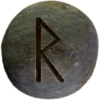
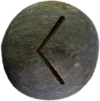
Two Elder Futhark runes commonly associated with traditions surrounding the Anglo-Saxon Rune Poem include Raido (ᚱ) and Kenaz (ᚲ). Pronounce Raido (ᚱ) as RYE though and Kenaz (ᚲ) as KAY nahz. Raido (ᚱ) traditionally symbolized journeys, movement, and ordered travel across both physical landscapes and spiritual experiences. Germanic cultures valued travel because merchants, messengers, and warriors depended upon reliable roads and disciplined leadership.
Kenaz (ᚲ) represented knowledge, illumination, and controlled creative force within early rune traditions connected with Germanic mythology and poetry. The rune often symbolized the torch because fire provided warmth, craftsmanship, and guidance during dark northern winters. Themes connected with wisdom and learning appear frequently within the Anglo-Saxon Rune Poem, which explains why scholars associate Kenaz (ᚲ) with its literary tradition. Although the poem belongs primarily to the Anglo-Saxon Futhorc system, older Elder Futhark symbolism strongly influenced medieval rune interpretation.
Importance of the Anglo-Saxon Rune Poem to Asatruar
The Anglo-Saxon Rune Poem holds considerable importance for many Asatruar because it preserves historical rune teachings connected with Germanic and Norse cultural traditions. Readers often study the poem to understand how medieval communities interpreted symbolic language, moral instruction, and ancestral wisdom through poetic forms. The text therefore provides a historical foundation for people seeking connections with older northern European spiritual customs.
Many Asatruar appreciate the poem because it survives as a documented literary source rather than a modern reconstruction created without historical evidence. Students frequently examine the verses carefully while exploring themes involving fate, personal conduct, natural forces, and the importance of wisdom within daily life. The concise poetic structure also supports meditation and memorization, encouraging thoughtful engagement with each rune name and symbolic lesson.
The Anglo-Saxon Rune Poem additionally strengthens interest in Old English literature, medieval history, and the broader heritage of Germanic mythology throughout modern spiritual communities.