
Last Updated on April 11, 2026
Table of Contents
Prose Edda: A Guide to Tradition, Language, and Story
The Prose Edda, also known as Snorra Edda or Younger Edda, serves as a structured and detailed source that preserves stories, poetic techniques, and cultural knowledge from early northern tradition. Pronounce Edda as “ED-dah,” where the first syllable carries a short “e” sound and the second syllable ends with a soft vowel. The alternate name Snorra Edda refers to its association with Snorri Sturluson, pronounced “SNOR-ee STUR-loo-son,” where each “r” receives a light roll.
This work presents narratives alongside explanations of poetic language, offering insight into how poets crafted imagery, metaphor, and structured verse within their compositions. It provides both storytelling and instruction, allowing readers to understand not only the content but also the techniques behind its expression. Through this dual purpose, the Prose Edda functions as both a literary work and a teaching guide.
The text includes accounts of gods, giants, and significant events, organizing them in a way that makes them accessible while preserving their depth and complexity. These narratives maintain continuity with earlier traditions while presenting them in a format that supports learning and transmission. As a result, the Prose Edda plays a key role in ensuring that these stories remain available and understandable across generations.
Structure and Literary Purpose
The Prose Edda consists of several sections, each serving a distinct purpose that contributes to the overall understanding of poetic and narrative tradition. One section presents a dialogue that explores the origins and actions of divine figures, creating a framework that supports both storytelling and explanation. Another section focuses on poetic diction, explaining the use of kennings and heiti, which are specialized terms and descriptive phrases used in verse.
Kennings involve compound expressions that replace simple nouns with descriptive imagery, such as referring to the sea through metaphor rather than direct naming. This technique adds depth and richness to poetry, allowing meaning to unfold through layered language. The Prose Edda explains these methods clearly, ensuring that poets can learn and apply them effectively.
The work also includes a section that demonstrates poetic forms through examples, providing practical guidance alongside theoretical explanation. This combination of instruction and illustration creates a comprehensive resource that supports both understanding and creative practice. Through this structure, the Prose Edda preserves not only stories but also the skills required to continue the tradition.
Preservation and Cultural Influence
The Prose Edda plays a crucial role in preserving narratives that might otherwise fade, capturing details about figures, events, and relationships that define the tradition’s narrative landscape. By recording these elements in written form, the text ensures that they remain accessible to future generations who seek to understand and engage with them. This preservation supports continuity and provides a foundation for further exploration.
Its influence extends beyond storytelling into language and education, shaping how people understand poetic expression and the use of symbolic imagery. The explanations within the text guide readers through complex ideas, making them approachable without reducing their depth. This balance allows the Prose Edda to function as both a reference and a source of inspiration.
The enduring relevance of the Prose Edda reflects its ability to connect past and present through language, narrative, and shared understanding. Its continued study and use demonstrate the lasting value of preserving knowledge in a structured and accessible form. Through this ongoing engagement, the Prose Edda remains a vital link to tradition and creative expression.
Runes Associated with the Prose Edda
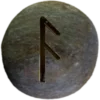
The rune Ansuz (ᚨ), pronounced “AHN-sooz,” represents communication, wisdom, and the transmission of knowledge, aligning closely with the Prose Edda as a text that preserves and explains complex traditions. Ansuz (ᚨ) reflects the flow of ideas through language, emphasizing clarity, expression, and the sharing of understanding across individuals and generations. This connection highlights how the Prose Edda serves as a vessel for knowledge and communication.
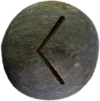
The rune Kenaz (ᚲ), pronounced “KAY-nahz,” symbolizes illumination, learning, and creative insight, making it closely associated with the instructional nature of the Prose Edda. Kenaz (ᚲ) represents the light that reveals understanding, guiding individuals as they develop skill and awareness through study and practice. Together, these runes reinforce the themes of knowledge, expression, and the ongoing pursuit of learning found within the Prose Edda.
Importance of the Prose Edda to Asatruar
For Asatruar, the Prose Edda provides a valuable source of narratives and insights that support understanding of tradition, practice, and the relationships between key figures. Its structured presentation allows individuals to engage with complex material in a way that remains accessible and meaningful. By studying this work, practitioners gain a deeper appreciation for the stories and ideas that shape their worldview.
The Prose Edda also supports the preservation of language and symbolic expression, encouraging thoughtful engagement with poetic forms and cultural knowledge. This engagement strengthens connections to tradition while fostering creativity and interpretation. Through these contributions, the Prose Edda continues to influence how individuals learn, reflect, and express their understanding within a living tradition.