Last Updated on April 15, 2026
Table of Contents
Grímnismál as a Vision of Hidden Identity and Sacred Knowledge
The name Grímnismál, also written as Grimnismal or Grímnismal, carries a layered pronunciation expressed as “greem-nis-mawl,” where the accented í sounds like “ee” in “see.” The letter á produces a broad “ow” sound similar to “cow,” giving the final syllable a rounded and open tone. These phonetic details reflect the musical quality of the language, reinforcing the text’s strong connection to oral recitation and poetic structure.
Grímnismál presents a dramatic account centered on a disguised figure who reveals extensive knowledge while enduring hardship, creating a powerful combination of endurance and revelation. The name itself connects to “Grímnir,” meaning a masked or hidden one, which emphasizes themes of concealment and identity. This focus on hidden presence drives the narrative, encouraging attention to what lies beneath outward appearance.
The poem unfolds through a series of detailed descriptions that cover halls, landscapes, and beings, offering a wide view of a structured and interconnected world. Each section builds upon the last, creating a sense of expansion as knowledge flows from one subject to another. This method allows the listener or reader to absorb information gradually, while maintaining engagement through vivid imagery and rhythm.
Structure and Narrative Context
Grímnismál appears within the Poetic Edda, where it stands as a significant example of wisdom poetry that combines narrative framing with extensive descriptive passages. The poem begins with a scene involving a ruler and a mysterious figure, setting the stage for a sequence of revelations that follow. This framing device creates tension, as the audience understands that the speaker holds knowledge that others do not yet recognize.
As the poem progresses, the speaker delivers a series of statements that describe various realms, structures, and beings, each presented with clarity and confidence. These descriptions do not appear randomly, since they follow a pattern that reflects organization and intent. This structure allows the material to function as both a narrative and a source of reference, supporting multiple levels of engagement.
The moment of recognition arrives when the disguised figure reveals identity, transforming the meaning of the preceding words and highlighting the importance of perception. This shift reinforces the idea that knowledge carries weight, especially when it comes from a source that others fail to recognize at first. The narrative therefore emphasizes awareness and the consequences of misunderstanding.
Themes and Symbolic Elements
Grímnismál explores themes of endurance, insight, and the relationship between knowledge and authority, presenting these ideas through a structured poetic format. The central figure endures physical discomfort while continuing to speak, demonstrating a commitment to sharing knowledge despite challenging conditions. This persistence underscores the value placed on wisdom and the effort required to convey it effectively.
The imagery within the poem includes detailed references to halls, rivers, and other features that contribute to a broader understanding of the world described. These elements do not serve as simple decoration, since each carries meaning that connects to larger patterns and relationships. This layered approach allows the poem to function as both a descriptive work and a guide to interpretation.
Modern readers continue to engage with Grímnismál as a source of insight into poetic structure, narrative technique, and the use of imagery to convey complex ideas. Its combination of storytelling and detailed description provides a model for how language can communicate both information and experience. This enduring relevance ensures that the poem remains a key point of study and reflection.
Runes Reflecting the Nature of Grímnismál
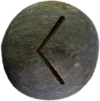
The rune Kenaz (ᚲ), pronounced “kay-nahz,” aligns with Grímnismál through its association with illumination, insight, and the revealing of hidden knowledge. Kenaz (ᚲ) represents the light that makes understanding possible, which mirrors the poem’s focus on uncovering deeper truths through spoken word. This rune emphasizes clarity and awareness, reinforcing the importance of recognizing meaning beneath surface appearances.
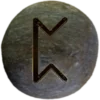
The rune Perthro (ᛈ), pronounced “perth-ro,” connects with Grímnismál through its link to mystery, unfolding events, and the process of revelation over time. Perthro (ᛈ) symbolizes the uncovering of information that remains concealed until the appropriate moment, reflecting the narrative structure of the poem. This rune highlights the dynamic nature of knowledge, which develops through experience and attentive listening.
Importance of Grímnismál to Asatruar
For individuals who identify as Asatruar, Grímnismál offers a meaningful example of how knowledge, endurance, and awareness interact within a structured worldview. The poem encourages careful attention to language and meaning, emphasizing that understanding requires both patience and active engagement. This perspective supports a thoughtful approach to learning and interpretation.
Grímnismál also highlights the importance of recognizing truth even when it appears in unexpected forms, reinforcing the value of perception and discernment. Its themes encourage individuals to remain attentive and open to insight, especially when facing challenging situations. This approach connects the poem’s content to practical reflection within everyday experience.