Last Updated on April 15, 2026
Table of Contents
Skalmöld: The Age of Swords and Relentless Conflict
Skalmöld, also spelled Skálmöld or Skalmold, refers to a violent era marked by chaos, fractured loyalties, and the collapse of social bonds under constant warfare. The name itself comes from Old Norse, where skálm means sword and öld means age, forming a phrase that translates directly to Age of Swords. You pronounce Skalmöld as skahl-mold, with the ö sounding similar to the vowel in the English word bird, though shorter and slightly rounded.
This period stands out as one of the most brutal phases leading toward Ragnarök, where order deteriorates rapidly and kinship ties dissolve under the pressure of survival and vengeance. Warriors no longer uphold traditional codes of honor, and families turn against one another in desperate struggles for power and resources. The atmosphere grows tense and unforgiving, with betrayal and bloodshed shaping everyday existence across the lands of the North.
Accounts describe Skalmöld as a time when moral restraint collapses and people abandon long-standing customs that once governed their interactions and responsibilities. Leaders lose authority as rival factions emerge, each seeking dominance through force rather than diplomacy or consensus. This breakdown fuels a cycle of retaliation that intensifies conflict and spreads instability throughout entire regions.
Escalation of Violence and Social Collapse
During Skalmöld, society no longer functions through shared values, and communities fragment into hostile groups driven by suspicion and fear. Individuals prioritize survival over cooperation, which leads to frequent clashes and the erosion of trust that once held villages and clans together. The constant threat of attack forces people to adopt aggressive stances, creating an environment where violence becomes a normalized response to uncertainty.
Descriptions emphasize how brothers fight brothers and close relatives betray one another, illustrating the depth of disintegration that defines this era. Such actions reveal a profound shift in mindset, where loyalty loses meaning and personal gain overrides collective well-being. The relentless nature of these conflicts ensures that peace becomes rare and fleeting, replaced by ongoing tension and instability.
The imagery associated with Skalmöld often includes clashing weapons, burning settlements, and landscapes scarred by repeated battles, reinforcing its identity as an age dominated by destruction. These scenes convey the emotional weight carried by those who endure such conditions, as they navigate a world stripped of stability and predictability. The symbolism highlights not only physical violence but also the psychological toll inflicted on individuals and communities alike.
Cultural Meaning and Linguistic Notes
The term Skalmöld carries linguistic significance that reflects the cultural emphasis placed on warfare and its consequences within Old Norse tradition. Variations such as Skálmöld or Skalmold appear in different transliterations, yet they preserve the same essential meaning tied to swords and conflict. The presence of the letter ö requires careful pronunciation, as it differs from standard English vowels and adds a distinct tonal quality to the word.
Pronouncing Skalmöld correctly helps convey its original character, with skahl forming a clear, open sound and mold finishing with a rounded vowel that softens the ending. This pronunciation mirrors the phonetic structure of Old Norse, where vowel distinctions carry important nuances in meaning and expression. Understanding these elements deepens appreciation for the term and its place within the broader narrative framework.
Skalmöld appears in poetic sources that describe the sequence of events leading toward Ragnarök, where it functions as a marker of escalating disorder and impending transformation. These references provide insight into how people of the time conceptualized cycles of destruction and renewal through vivid and often stark imagery. The mention of Skalmöld underscores the inevitability of upheaval and the dramatic shifts that accompany the end of an age.
Runes Connected to the Spirit of Skalmöld
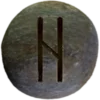
The rune Hagalaz (ᚺ) represents disruption, sudden change, and forces that break existing structures, making it closely aligned with the destructive atmosphere that defines Skalmöld. Its shape and meaning evoke the impact of uncontrollable events that shatter stability and force individuals to adapt quickly to harsh conditions. This connection reflects how Skalmöld embodies a period where external pressures dismantle established systems and compel societies to confront uncertainty.
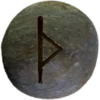
Another rune associated with this era is Thurisaz (ᚦ), which symbolizes raw power, conflict, and the presence of formidable threats that challenge human resilience. Its meaning captures the aggressive energy and defensive reactions that dominate life during Skalmöld, where strength becomes essential for survival. Together, these runes illustrate the tension between chaos and endurance, highlighting the intense struggles that characterize the Age of Swords.
Meaning of Skalmöld for Asatruar Today
For Asatruar, Skalmöld represents more than a distant narrative, as it offers a symbolic framework for understanding periods of turmoil and moral testing in human experience. It encourages reflection on how individuals respond when societal structures weaken and challenges arise that demand resilience and clarity of purpose. This perspective allows practitioners to draw lessons about maintaining integrity even when circumstances grow unstable and unpredictable.
The concept also reinforces the importance of Community and shared values, reminding Asatruar that unity provides strength during times of conflict and uncertainty. By examining the breakdown depicted in Skalmöld, they gain insight into the consequences of abandoning cooperation and trust. This awareness supports efforts to cultivate stronger bonds and uphold principles that counteract division and hostility.
Engaging with Skalmöld in this way transforms it into a source of guidance rather than merely a depiction of destruction, offering practical relevance for modern spiritual practice. It highlights the enduring relevance of ancient narratives while encouraging thoughtful interpretation that connects past themes with present challenges. Skalmöld continues to influence how Asatruar approach adversity and personal responsibility.