Last Updated on May 27, 2026
Table of Contents

The Life and Legacy of Thorbjörg Lítilvölva (Völva from Saga of Erik the Red)
Thorbjörg Lítilvölva appears in medieval Icelandic literature as a respected seeress who practiced prophecy and ritual magic during the Viking Age. Scholars often spell her name as Thorbjorg Litilvolva, Þorbjörg Lítilvölva, or Thorbjørg Lítillvölva, depending on language and manuscript tradition. The Old Norse letter Þ sounds like the English “th” in “thing,” while ö sounds similar to the “u” in “burn,” and the pronunciation of Lítilvölva sounds close to “LEE til VURL va.”
Her title “Lítilvölva” means “little seeress” or “small prophetess,” although the title may describe her stature, age, or social distinction rather than physical appearance. The word “völva” comes from Old Norse and refers to a wandering female prophet who carried ritual staffs and practiced divination. Medieval Scandinavian society treated such women with caution and admiration because people believed these practitioners communicated with hidden spiritual forces and foretold future events.
The most famous account of Thorbjörg Lítilvölva appears in the Saga of Erik the Red, which historians place among the Icelandic Sagas written during the thirteenth century. The story describes a difficult winter in Greenland when food shortages and uncertainty troubled the settlement. Community leaders invited Thorbjörg to visit the farm and perform a prophecy ceremony that could reveal future fortunes and explain the causes behind the famine.
The saga gives remarkable detail about her clothing, ceremonial tools, and ritual behavior, which makes the account valuable for historians studying Norse religious customs. Thorbjörg wore a dark blue cloak decorated with stones along the hem, and she carried a staff with a brass knob adorned with gems. The narrative also describes special gloves made from white cat fur, which reflected the symbolic importance of animals and magical objects within Norse ritual culture.
Prophecy, Ritual, and Social Influence
During the ceremony, women gathered around Thorbjörg Lítilvölva and sang special chants called varðlokkur, pronounced roughly as “VARTH lock kur.” These songs supposedly attracted helpful spirits and strengthened prophetic visions during ritual performances. One young woman named Gudrid sang the chants because she had learned them in Iceland, even though she hesitated because of her Christian upbringing.
The saga portrays Thorbjörg as calm, intelligent, and socially powerful rather than frightening or monstrous, which distinguishes her from later popular depictions of witches in European folklore. Farmers treated her with respect, prepared an honored seat for her, and served carefully selected meals before the prophecy began. Her presence reflected the continued importance of traditional Norse spiritual practices during a period when Christianity spread across Iceland and Greenland.
After the ritual concluded, Thorbjörg predicted that conditions would improve and that the famine would soon end. She also foretold a notable future for Gudrid, whose descendants would become influential and prosperous. The prophecy strengthened social confidence within the settlement because people believed the seeress possessed knowledge hidden from ordinary human understanding.
Modern historians and literary scholars value Thorbjörg Lítilvölva because her account preserves detailed information about pre Christian Scandinavian ritual traditions. The saga blends historical memory, folklore, and literary storytelling, yet many researchers believe the description of ritual practice contains authentic cultural elements from earlier Norse society. Her story remains one of the clearest surviving literary portraits of a völva from medieval Northern Europe.
Elder Futhark Runes Connected with Thorbjörg Lítilvölva
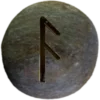
The rune Ansuz (ᚨ), pronounced “AHN sooz,” connects strongly with wisdom, speech, inspiration, and divine communication within Norse tradition. People often associate this rune with poetic knowledge and prophetic understanding because it symbolizes the transmission of hidden truths through language and ritual expression. Thorbjörg Lítilvölva relied upon ceremonial chants and spoken prophecy, which makes Ansuz (ᚨ) an appropriate symbolic connection for her role as a respected seeress.
The rune Perthro (ᛈ), pronounced “PERTH roe,” relates to mystery, hidden knowledge, and fate within many modern interpretations of Elder Futhark symbolism. Scholars debate the exact historical meaning of the rune, although many associate it with secrets revealed through ritual or chance. Thorbjörg’s prophecy ceremony focused on uncovering unseen forces and revealing future outcomes for troubled Greenland settlers, which closely matches the mysterious and concealed qualities linked with Perthro (ᛈ).
The Importance of Thorbjörg Lítilvölva to Asatruar
Many Asatruar view Thorbjörg Lítilvölva as an important historical example of female spiritual leadership within Norse tradition. Her appearance in saga literature offers a rare and detailed description of ritual practice, ceremonial clothing, prophetic performance, and community interaction from the Viking Age. Modern practitioners often study her story because it provides insight into how seeresses influenced social decisions and preserved sacred traditions.
Thorbjörg also represents the survival of older Norse beliefs during the gradual spread of Christianity across Iceland and Greenland. Her respectful treatment within the saga demonstrates that communities valued wisdom, prophecy, and ritual expertise during times of uncertainty and hardship. Many Asatruar appreciate her role because she symbolizes knowledge, tradition, and the enduring cultural memory preserved within the Icelandic sagas.