Last Updated on April 22, 2026
Table of Contents
The Enduring Role of the Norns
The Norns stand as powerful female beings in Norse mythology who shape destiny through deliberate action, careful judgment, and an unbroken connection to the flow of time and existence. Tradition usually names three primary Norns, called Urðr, Verðandi, and Skuld, and each name carries layered meaning that reflects their control over past, present, and future.
Urðr, pronounced “OORTH” with a soft rolled r, relates to what has already occurred and carries the sense of deep-rooted fate shaped by prior actions and ancient causes. Verðandi, pronounced “VEHR-than-dee,” describes the ongoing present, while Skuld, pronounced “SKOOLD,” points toward obligation, consequence, and what must come to pass.
Some sources also spell these names as Urd, Verdandi, and Skuld, especially in modern English texts that simplify Old Norse characters such as ð, which sounds like the voiced th in “this.” The letter ð, called eth, requires a soft tongue placement between the teeth, and speakers should avoid turning it into a hard d sound.
The Norns live beside the great world tree Yggdrasil, where they draw water from a sacred well and nourish the tree’s roots, ensuring that existence continues in a stable and ordered way. Their actions reflect intention rather than randomness, and they carve or weave fate with precision that does not allow easy alteration.
Writers often describe them as weavers, yet some traditions emphasize carving runes or shaping wood, suggesting that fate exists as something both inscribed and constructed. This dual imagery reinforces the idea that destiny forms through structure and pattern rather than chaos or whim.
The Norns in Mythic Tradition
Sources such as the Poetic Edda and the Prose Edda describe the Norns as ancient beings who arrive at birth to determine the course of a person’s life, assigning fortune, hardship, or honor according to unseen laws. These texts portray them as impartial forces who do not bend easily to requests or offerings, emphasizing their role as maintainers of cosmic balance.
Some passages describe additional Norns beyond the primary three, suggesting that many lesser Norns influence individual lives, much like a network of forces working within a larger framework of destiny. These lesser figures often appear as either benevolent or harsh, shaping outcomes through their specific dispositions and responsibilities.
The idea of multiple Norns expands the concept of fate into something communal and layered, where each action interacts with many threads rather than a single fixed line. This perspective allows for complexity in storytelling and reflects a worldview that values interconnected causes over isolated events.
The Norns do not simply predict the future, because they actively create and define it through ongoing involvement with the fabric of existence. Their authority arises from knowledge and continuity rather than force, and this distinction separates them from gods who rely on strength or cunning to achieve their aims.
Their presence near Yggdrasil also connects them to cycles of growth, decay, and renewal, reinforcing the idea that fate operates within natural rhythms rather than standing apart from them. This connection grounds their power in the structure of the cosmos itself.
Runes Linked to the Norns
Two Elder Futhark runes often connect symbolically with the Norns, especially when people discuss fate, time, and the unfolding of events through deliberate structure.
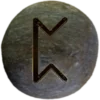
The rune Perthro, pronounced “PERTH-roh,” carries associations with mystery, hidden forces, and the unfolding of destiny through processes that remain partially concealed from human understanding. Many interpret this rune as representing the unknown aspects of fate, which aligns closely with the Norns’ role in shaping outcomes beyond direct perception.
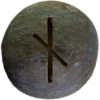
The rune Nauthiz, pronounced “NOW-theez,” relates to necessity, constraint, and the pressure that drives action, reflecting the inevitability that often appears in stories about the Norns. This rune emphasizes the idea that certain events must occur due to underlying conditions, echoing Skuld’s connection to obligation and consequence.
Both runes highlight how fate involves both hidden structure and unavoidable necessity, reinforcing the Norns’ influence over the unfolding pattern of existence.
The Importance of the Norns to Asatruar
The Norns hold deep importance for modern practitioners of Norse-inspired spirituality because they embody the principle that actions carry consequences within an interconnected web of cause and effect. Many Asatruar view the Norns as symbols of responsibility, emphasizing that each decision contributes to a larger pattern that shapes both personal and communal outcomes.
This perspective encourages mindful behavior, since individuals recognize that their choices influence the unfolding of events in ways that extend beyond immediate circumstances. The Norns also represent continuity, reminding practitioners that the past informs the present and guides the future through an ongoing process rather than isolated moments.
Their presence reinforces a worldview that values accountability, awareness, and respect for the forces that shape existence, while encouraging individuals to act with intention and clarity.