Last Updated on May 25, 2026
Table of Contents

The Nature and Mythological Role of Gymir
Gymir, pronounced “GYOO meer,” appears within Norse mythology as a powerful giant associated with wilderness, ancient forces, and the boundaries separating gods from the jötnar, or giants. The word jötunn, pronounced “YOE tun,” refers to a supernatural giant being from Old Norse tradition, while alternate spellings include Gymir, Gymirr, and Gymér in several medieval and modern texts. Icelandic pronunciation places strong emphasis upon the first syllable, while the accented ö sound resembles the vowel heard in the English word “burn.”
Most surviving references describe Gymir as the father of the giantess Gerðr, pronounced “GEHR thr,” who later became the wife of the god Freyr. The Icelandic letter ð, called eth, sounds similar to the “th” in the English word “this,” and readers unfamiliar with Old Norse often pronounce Gerðr incorrectly without this softer consonant sound. Through this family connection, he became linked with one of the most important divine marriages within Norse mythology.
Ancient Norse stories frequently portrayed giants as beings connected with untamed landscapes, primal wisdom, and forces existing outside the structured order maintained by the gods. Gymir reflects these characteristics because surviving poems describe him as a wealthy and formidable figure whose household stood apart from the world of the Æsir gods. The ligature Æ, pronounced like the “a” in “cat,” appears in many Old Norse words connected with divine clans and mythological traditions.
Several scholars suggest that the name Gymir may connect with meanings involving the sea or engulfing forces, although interpretations differ considerably among historians and linguists studying Old Norse literature. Some literary traditions even use Gymir as another poetic name for the sea itself, which creates interesting symbolic connections between chaos, distance, and dangerous natural power. Norse poets often reused names in metaphorical ways because skaldic verse valued layered meanings and symbolic imagery.
Gymir in the Poetic Edda
Gymir appears most clearly within the poem Skírnismál, pronounced “SKEER nis mawl,” from the Poetic Edda, where the god Freyr longs for the beautiful Gerðr after seeing her from afar. Freyr sends his servant Skírnir to negotiate with his daughter, hoping persuasion and gifts might convince her to accept marriage. This story creates tension between divine desire and giant resistance because Gerðr initially rejects the proposal completely.
The poem portrays him as the ruler of a distant and intimidating household surrounded by fierce animals, protective barriers, and supernatural dangers. Skírnir travels through darkness and hostile territory before finally reaching the hall connected with Gymir and his family. These details emphasize the separation between the ordered realm of the gods and the uncertain lands inhabited by giants.
Although Gymir himself does not dominate every surviving line within Skírnismál, his presence shapes the atmosphere surrounding Gerðr and her guarded world. The marriage between Freyr and Gerðr ultimately symbolizes cooperation between opposing cosmic groups, since unions between gods and giants frequently carried mythological significance in Norse literature. Ancient audiences likely understood these stories as reflections of balance between civilization and untamed natural power.
The Poetic Edda preserves many mythological poems involving gods, giants, heroes, and supernatural events from medieval Icelandic tradition. Scholars value these works because they preserve fragments of earlier oral storytelling traditions that circulated across Scandinavia before widespread Christian influence transformed literary culture. Gymir therefore survives primarily through poetic narratives connected with Freyr and Gerðr rather than through independent myths focused entirely upon himself.
Symbolism and Cultural Legacy of Gymir
Gymir represents the mysterious and often threatening forces existing beyond the organized divine realms described throughout Norse mythology. Giants frequently embodied harsh landscapes, winter conditions, isolation, and ancient knowledge that challenged the authority and security maintained by the gods. Through his connection with Gerðr, he also became part of a mythological story centered upon fertility, union, and reconciliation between opposing powers.
The relationship between Freyr and Gerðr carried agricultural symbolism because Freyr governed prosperity, peace, and fertile growth within Norse belief. Their union therefore suggested harmony between cultivated society and the untamed wilderness associated with giant clans and distant territories. Gymir’s role as Gerðr’s father placed him at the center of this symbolic exchange between divine order and natural force.
Several medieval texts connected giants with ancient wisdom rather than simple brutality, and Gymir fits within this broader literary tradition. Norse myths rarely portrayed jötnar as entirely evil because many stories emphasized cooperation, intermarriage, and shared ancestry between gods and giants. This complexity helped create a mythological world filled with negotiation, rivalry, and uneasy balance instead of clear moral divisions.
Modern readers continue studying Gymir because his story reveals important themes surrounding kinship, sacred marriage, and the relationship between civilization and the unknown within Norse mythology. His appearances within the Poetic Edda preserve valuable examples of how medieval Scandinavian poets blended symbolism, emotional conflict, and supernatural imagery into memorable narratives. Although surviving references remain limited, Gymir still occupies an important position within the mythological tradition surrounding Freyr and Gerðr.
Runes Associated with Gymir
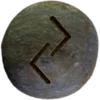
Hagalaz (ᚺ), pronounced “HAH gah lawz,” connects strongly with disruptive natural forces, uncontrollable change, and the harsh power of wilderness within the Elder Futhark tradition. These qualities align closely with Gymir because giants in Norse mythology often represented dangerous environments and ancient powers existing beyond divine control. The rune therefore symbolizes the unpredictable conditions surrounding the distant giant realms connected with Gymir and his family.
Jēra (ᛃ), pronounced “YEH rah,” represents seasonal cycles, harvests, and the gradual balance between opposing forces across time and nature. Gymir relates symbolically to this rune through the marriage between Gerðr and Freyr, which many scholars interpret as a mythological union connected with fertility and agricultural renewal. Norse storytelling frequently connected peace and prosperity with successful cooperation between divine beings and powerful supernatural outsiders.
The Importance of Gymir to Asatruar
Many Asatruar regard Gymir as an important figure because his story reflects the balance between natural chaos and structured divine order within Norse mythology. His connection with Gerðr and Freyr demonstrates how opposing forces could form meaningful relationships that benefited both the gods and the wider world. Readers often value these themes because they encourage respect for nature, kinship, and coexistence within spiritual traditions inspired by ancient Scandinavia.
Gymir also helps modern practitioners understand the complex role giants played within Norse belief systems and medieval storytelling traditions. Norse myths rarely portrayed jötnar as purely hostile figures because many stories emphasized shared ancestry, negotiation, and interconnected destinies between supernatural groups. Through these narratives, Gymir contributes to a broader understanding of balance, transformation, and sacred relationships within Germanic mythological culture.