Last Updated on June 10, 2026
Table of Contents

The Story and Character of Hervör
Hervör, pronounced HEHR vur, ranks among the most compelling figures in Old Norse legendary literature because she pursues danger with confidence and refuses to surrender her goals when obstacles appear. The letter ö sounds somewhat like the vowel in the English word burn with rounded lips, giving the name a distinctive character. Readers may also encounter the spellings Hervor, Hervorr, or Hervor in translations, although Hervör remains the preferred modern form.
The tale of Hervör appears in the Hervarar saga ok Heiðreks and centers on a heroine who embraces action instead of hesitation while searching for her family inheritance. She learns that her father, the warrior Angantýr, died before she had the chance to know him and left behind the legendary sword Tyrfing. Rather than accepting uncertainty, she decides to uncover her heritage through courage and determination.
Many medieval stories present women in supporting roles, yet Hervör actively shapes events through bold choices that influence both her own fate and the fortunes of later generations. She adopts the life of a warrior and traveler while earning respect through skill and persistence instead of inherited privilege. That unusual role has helped preserve her reputation across centuries of literary study and popular interest.
Her personality combines fierce independence with loyalty to family memory, creating a balance that gives emotional depth to every major decision she makes. She doesn’t seek glory for its own sake because she believes responsibility requires direct action when difficult circumstances arise. Those qualities continue to attract readers who admire determined characters willing to accept serious risks.
The Journey to the Burial Mound
The defining episode of Hervör’s legend begins when she travels to the haunted burial mound where her father rests among fallen companions despite repeated warnings about supernatural danger. She calls upon Angantýr from outside the grave and demands the cursed sword Tyrfing as her rightful inheritance. Ghostly voices attempt to frighten her away, but she refuses to retreat because fear cannot outweigh duty.
Angantýr finally answers his daughter and warns that the weapon carries a terrible curse capable of bringing destruction to everyone connected with it. Hervör listens carefully, yet she insists that abandoning her claim would dishonor both herself and her family’s legacy. Her persistence eventually succeeds, and she receives the sword despite the grim predictions surrounding its future.
This confrontation illustrates remarkable emotional strength because Hervör faces not only supernatural threats but also painful knowledge about the cost of victory. She understands that every important decision demands sacrifice and accepts that truth without abandoning her purpose. Such resolve transforms the scene into one of the most memorable moments in Old Norse heroic literature.
Influence and Lasting Appeal
Hervör continues to inspire readers because she challenges expectations while remaining firmly connected to themes of ancestry, honor, and personal accountability. Her willingness to shape her own destiny demonstrates that determination often matters as much as physical ability within legendary storytelling. Modern interpretations frequently highlight her independence without ignoring the cultural traditions that shaped the original saga.
Literary scholars examine Hervör when discussing gender roles, heroic identity, and family obligation because her actions blur familiar boundaries without rejecting the values of her world. She pursues knowledge through direct experience and accepts responsibility for the consequences of her choices instead of blaming others. Those qualities make her an enduring subject for historical analysis and creative adaptation.
Contemporary audiences encounter Hervör through translations, academic works, novels, games, and discussions of Norse tradition that emphasize memorable legendary figures. Her narrative combines haunted landscapes, inherited burdens, supernatural encounters, and unwavering determination into a story that still resonates with readers across many cultures. Even after many centuries, she remains a symbol of courage rooted in conviction rather than convenience.
Elder Futhark Runes Often Connected with Hervör
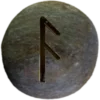
Although no surviving source assigns specific Elder Futhark runes directly to Hervör, modern symbolic interpretations frequently associate her with Tiwaz (ᛏ) and Eihwaz (ᛇ) because their meanings align with important themes in her legend. Tiwaz (ᛏ), pronounced TEE wahz, commonly represents honor, disciplined courage, lawful action, and the willingness to accept sacrifice while pursuing worthy goals. Those ideas reflect Hervör’s determined effort to claim her inheritance despite supernatural warnings and obvious danger.
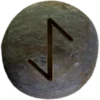
Eihwaz (ᛇ), pronounced EYE wahz, often symbolizes endurance, resilience, transformation, and the connection between mortality and hidden wisdom within many modern explanations of runic symbolism. Hervör’s encounter with the dead at her father’s burial mound echoes those concepts through a narrative that joins bravery with profound personal change. These associations remain interpretive rather than historical, yet they continue to attract interest among readers exploring Norse traditions.
The Importance of Hervör to Asatruar
Many Asatruar appreciate Hervör because her story highlights courage, perseverance, personal responsibility, and respect for ancestral heritage within a legendary framework connected to the old northern traditions. She faces uncertainty through decisive action while refusing to abandon principles that define her identity and sense of honor. Her example encourages thoughtful reflection about commitment, resilience, and the difficult choices that often accompany meaningful obligations.
Some practitioners also value Hervör because she demonstrates that strength can include determination, wisdom, and loyalty alongside martial ability and physical courage. Her legend supports discussions about individual agency without losing sight of family history or inherited duty. Although beliefs differ throughout modern Heathen communities, many regard Hervör as an inspiring literary heroine whose actions encourage integrity and steadfast purpose.