Last Updated on June 17, 2026
Table of Contents

Understanding Vor Trú and Its Role Within The Asatru Alliance
Vor Trú serves as the official journal of The Asatru Alliance and functions as an important publication within the modern Heathen and Asatru religious Community. The name Vor Trú is commonly pronounced “vor troo,” with the accented letter ú sounding similar to the word “oo” in “food.” The title comes from Old Norse and Icelandic linguistic traditions and is generally understood to mean “Our Faith.” Readers occasionally encounter alternate spellings such as Vor Tru when special characters are unavailable, although Vor Trú remains the preferred form used by the publication itself.
The journal provides a platform for religious discussion, historical examination, cultural preservation, and community communication among members of The Asatru Alliance. Contributors often explore topics related to Germanic pagan traditions, Norse mythology, ritual practice, folklore, ethics, and the historical development of pre Christian Northern European religions. Through these discussions, the publication helps readers deepen their understanding of both ancient sources and contemporary religious expression.
Vor Trú also preserves institutional memory for The Asatru Alliance by documenting gatherings, announcements, organizational developments, and notable achievements within the community. Many readers value the journal because it creates a connection between local kindreds, independent practitioners, and the broader network of Asatruar. This role extends beyond simple reporting since the publication encourages reflection on religious identity and shared cultural heritage.
The content often balances practical guidance with scholarly interest. Articles may examine archaeological discoveries, historical texts, linguistic questions, seasonal observances, or interpretations of mythological narratives. Readers benefit from this combination because it encourages informed practice while maintaining respect for historical sources and traditional customs.
Pronunciation, Language, and Community Identity
The title Vor Trú reflects the importance of language within many Heathen traditions. The accented letter ú receives a long vowel sound, making the pronunciation “vor troo.” People unfamiliar with diacritical marks sometimes omit the accent when typing, resulting in the alternate form Vor Tru. Although both forms appear in informal settings, the accented version more accurately reflects the intended pronunciation and linguistic heritage.
Within The Asatru Alliance, the journal serves as a vehicle for education and communication. Members often use the publication to share experiences from religious events, discuss interpretations of lore, and examine questions about ritual practice. These exchanges strengthen relationships among practitioners while encouraging thoughtful engagement with the faith.
The publication also contributes to cultural continuity by preserving discussions that might otherwise disappear from collective memory. Articles frequently explore ancestral traditions, seasonal celebrations, and ethical principles that many Asatruar consider central to their worldview. Through regular publication, Vor Trú creates a record of evolving perspectives while maintaining a connection to older traditions.
Many readers appreciate the journal because it offers a space where religious ideas receive careful consideration rather than brief treatment. Longer articles allow authors to examine historical evidence, compare interpretations, and explain complex subjects in greater depth. This approach helps readers evaluate information critically and develop a more nuanced understanding of the traditions they follow.
As the official journal of The Asatru Alliance, Vor Trú occupies a unique position within the organization. It acts as both an educational resource and a community forum, helping practitioners remain informed about developments within the organization while exploring broader religious and cultural themes. The publication continues to serve as an important expression of shared identity among many followers of the Asatru faith.
Elder Futhark Runes Commonly Associated with Themes Found in Vor Trú
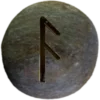
Two Elder Futhark runes frequently discussed in contexts that align with themes found in Vor Trú are Ansuz (ᚨ) and Othila (ᛟ). Ansuz (ᚨ), pronounced “AHN sooz,” traditionally relates to communication, wisdom, inspiration, and the transmission of knowledge. These associations connect naturally with a journal that emphasizes education, religious discussion, and the sharing of ideas among community members. Articles that explore lore, history, and spiritual understanding often reflect qualities linked with this rune.
Othila (ᛟ), pronounced “OH thah lah,” commonly represents heritage, inheritance, ancestral connections, and cultural continuity. Many topics explored within Vor Trú focus on preserving traditions, understanding historical roots, and maintaining links to ancestral customs. The rune’s themes resonate with efforts to preserve knowledge and strengthen awareness of cultural identity. Together, Ansuz (ᚨ) and Othila (ᛟ) symbolize communication and heritage, two concepts that align closely with the educational and cultural goals often reflected within the publication.
The Importance of Vor Trú to Asatruar
Vor Trú holds significant value for many Asatruar because it provides a reliable source of information, reflection, and community engagement. The journal helps practitioners remain connected to developments within The Asatru Alliance while encouraging deeper study of religious traditions, mythology, history, and cultural practices. Through regular publication, it supports both experienced followers and those who have recently begun exploring the faith.
Many Asatruar regard the journal as an important educational resource because it presents detailed discussions that often extend beyond introductory material. Readers can examine historical evidence, explore differing interpretations, and gain insight into ritual customs through thoughtful articles written by knowledgeable contributors. This process encourages informed religious practice and ongoing personal growth.
The publication also strengthens community bonds by creating a shared forum where ideas, experiences, and concerns can be discussed. By preserving traditions, documenting events, and promoting meaningful dialogue, Vor Trú helps maintain a sense of continuity and collective identity within the broader Asatru community.