Last Updated on June 21, 2026
Table of Contents

The Story and Significance of Gilling
Gilling occupies a brief yet meaningful place in Norse mythology as a giant whose tragic death begins one of the most famous stories concerning wisdom and poetry. The name Gilling usually sounds like GILL ing, with a hard G and a short first vowel that resembles the beginning of the English word give. Surviving medieval sources generally preserve the spelling Gilling without significant variation, although translators occasionally adjust the presentation to match modern editorial preferences.
Most readers know Gilling because he served as the father of Suttungr, the giant who later gained possession of the legendary Mead of Poetry. Although he never dominates the narrative through lengthy speeches or heroic deeds, his fate influences every major event that follows. His role demonstrates how secondary figures can shape the course of mythology through pivotal moments rather than extended appearances.
The story recounts that the dwarfs Fjalar and Galar invited him to accompany them on a boat before deliberately causing the vessel to overturn. Gilling drowned because he could not save himself from the water, leaving his family to grieve a sudden and unjust loss. This calculated act established the foundation for later demands involving compensation and revenge.
The Tragedy That Changed the Story
After Gilling died, the dwarfs invited his wife into their home and arranged another deadly deception that ended with her death beneath a heavy object. Their repeated cruelty deeply angered Suttungr, who captured the offenders and prepared severe punishment in response to their actions. The escalating conflict illustrates how betrayal and violence often produce lasting consequences throughout Norse mythological traditions.
Facing certain destruction, Fjalar and Galar offered the magical Mead of Poetry as compensation for the deaths they had caused. Suttungr accepted the valuable treasure and took possession of it, ensuring that Gilling’s memory remained connected with one of the most celebrated mythical objects in Scandinavian literature. This exchange transformed personal tragedy into an event with enormous cultural and literary significance.
Gilling appears within the Prose Edda during the account explaining the origins and transmission of the Mead of Poetry. The narrative provides only a concise description of his life, yet his death motivates the central events that eventually involve gods, giants, and remarkable acts of deception. That brief literary appearance nevertheless grants him lasting importance within the wider mythological tradition.
Legacy and Enduring Meaning
Modern scholars often interpret Gilling as an example of how Norse mythology explores justice through cycles of action and response rather than immediate resolution. His story reveals that harmful choices can echo across generations and reshape relationships among many different figures. The resulting narrative encourages readers to examine responsibility alongside courage and ambition.
Artists and writers continue to reference Gilling because his fate provides emotional depth within the broader legend surrounding the Mead of Poetry. His death creates the conditions that allow extraordinary wisdom and poetic inspiration to change hands through negotiation, theft, and divine intervention. This interconnected structure reflects the complexity that characterizes many surviving Norse myths.
Although Gilling remains less famous than Odin or Suttungr, his influence extends far beyond the limited number of surviving passages that mention him directly. His presence reminds readers that even characters with brief appearances can alter the direction of legendary history through decisive events. That enduring lesson keeps Gilling relevant within studies of Norse mythology and medieval storytelling.
Symbolic Elder Futhark Runes Associated with Gilling
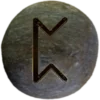
Modern symbolic interpretation often associates Perthro (ᛈ) and Hagalaz (ᚺ) with Gilling because the events surrounding his life involve hidden outcomes and sudden disruption rather than predictable progress. Perthro (ᛈ), pronounced PERTH roh, commonly represents mystery, uncertain destiny, and concealed developments within studies of the Elder Futhark. Those themes align naturally with the unexpected betrayal that ultimately changes the future of Gilling and his family.
Hagalaz (ᚺ), pronounced HAH gah lahz, traditionally symbolizes destructive forces, upheaval, and unavoidable transformation. Students sometimes connect it with Gilling because his tragic death triggers dramatic consequences that reshape the ownership of the Mead of Poetry and influence many later myths. These associations remain modern symbolic interpretations instead of documented historical connections preserved in medieval sources.
Gilling and His Importance to Asatruar
Many Asatruar recognize Gilling as an important figure because his story illustrates the consequences of betrayal, the pursuit of justice, and the interconnected nature of mythological events. His brief appearance demonstrates that every action can influence later developments, encouraging careful reflection upon responsibility and ethical conduct. The narrative therefore offers lessons that extend beyond its immediate characters and dramatic circumstances.
Some Asatruar also appreciate Gilling because his death forms an essential part of the larger account involving the Mead of Poetry, wisdom, and inspiration. His role highlights the value of studying complete mythological cycles instead of focusing only upon the most prominent gods and heroes. This broader perspective encourages deeper engagement with the literary and cultural heritage preserved within Norse tradition.