Last Updated on June 13, 2026
Table of Contents

History and Purpose of The Njörðshof Temple
Njörðshof Temple serves as a modern gathering place inspired by Norse religious traditions and named after the god Njörðr. The name Njörðshof sounds roughly like NYORDS hoff, while the letter ö resembles the vowel in bird with rounded lips and the letter ð carries a soft th sound similar to the word this. People who avoid special characters sometimes write the name as Njordshof, although the version with diacritical marks reflects the original Old Norse spelling.
The word Hof comes from Old Norse and refers to a temple or sacred building connected with religious practice and Community life. Pronounce hof as HOHF with a long rounded vowel and a clear final consonant. Together, the combined name means the temple of Njörðr and reflects the dedication chosen for the site.
Njörðshof Temple opened in White Spring, Florida during the early twenty first century and occupies a location within the small North Florida community of White Springs. The facility functions as a place for ceremonies, gatherings, educational activities, and community events connected with its sponsoring organization. Its establishment added a distinctive religious landmark to an area already known for historical sites and natural attractions.
Pronunciation, Naming, and Community Setting
The associated deity Njörðr deserves careful pronunciation because the final letter ð again produces a soft th sound, making the name resemble NYORD ther when spoken slowly. Writers without access to Icelandic characters often use Njord or Njordr in place of the original spelling. Those simplified versions improve accessibility while preserving recognition across different audiences and publishing formats.
White Springs provides a quiet environment that contrasts with larger urban centers and encourages reflection, gatherings, and organized events. The town sits near the Suwannee River and has long attracted visitors interested in regional history and outdoor recreation. That setting contributes to the identity of the Njörðshof Temple by placing it within a landscape associated with North Florida heritage.
The temple also illustrates the continuing interest that some communities hold for reconstructed religious traditions rooted in medieval Northern Europe. Modern builders and organizers created the structure for contemporary use rather than historical reconstruction alone. Visitors therefore encounter a functioning meeting place that combines present day needs with inspiration drawn from older cultural sources.
Architecture, Identity, and Lasting Interest
Many observers appreciate the Njörðshof Temple because it demonstrates how historical themes can influence modern architecture and community organization. The building’s name and purpose reference Norse tradition while serving practical functions for gatherings and scheduled activities. This combination allows the location to operate as both a symbolic landmark and an active place for organized events.
People interested in Scandinavian history, comparative religion, or cultural revival often include the temple in broader discussions concerning contemporary expressions of ancient traditions. The site encourages conversation about language, mythology, historical continuity, and community identity without limiting those discussions to academic settings alone. Such engagement helps preserve awareness of Old Norse names and concepts among modern audiences.
The Njörðshof Temple continues to attract attention because it represents an uncommon example of a purpose named Norse religious structure within the United States. Its distinctive title, recognizable dedication, and visible presence encourage ongoing curiosity among historians, visitors, and individuals exploring Scandinavian cultural influences. That continuing interest ensures the temple remains part of wider conversations surrounding religion, heritage, and regional history.
Elder Futhark Runes Commonly Associated with the Njörðshof Temple
Many interpreters symbolically associate Laguz (ᛚ) and Raido (ᚱ) with the Njörðshof Temple because the temple honors Njörðr, a deity frequently connected with the sea, travel, and prosperity. Laguz (ᛚ), pronounced LAH gooz, often represents water, intuition, and flowing movement within studies of the Elder Futhark. Those themes align naturally with maritime symbolism and the coastal associations traditionally linked with Njörðr.
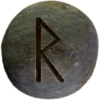
Raido (ᚱ), pronounced RYE though, commonly signifies journeys, purposeful movement, and structured travel across physical or spiritual paths. Students sometimes pair this rune with the temple because organized gatherings bring participants together through shared direction and communal purpose. These associations remain symbolic interpretations instead of historically documented connections, yet they provide meaningful frameworks for exploring Norse inspired themes.
The Importance of the Njörðshof Temple to Asatruar
For many Asatruar, the Njörðshof Temple represents a dedicated place where participants can gather for ceremonies, seasonal observances, education, and fellowship rooted in their religious tradition. The building offers a physical location that supports continuity, shared practice, and community identity while encouraging preservation of Old Norse cultural influences. Those functions give the temple significance beyond its architectural presence alone.
Many participants also value the temple because it creates opportunities for meeting with others who share similar beliefs, traditions, and interests in Norse heritage. Regular gatherings can strengthen relationships, encourage learning, and support intergenerational participation through organized events and communal activities. These roles contribute to the importance that the Njörðshof Temple holds for many members of the Asatruar community.