
Last Updated on April 25, 2026
Table of Contents

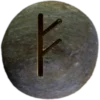
Njord: Lord of Sea, Wind, and Prosperity
Njord, also written as Njǫrðr and sometimes spelled Njörðr, is pronounced “NYORD” in simplified form, while the Old Norse Njǫrðr sounds like “NYOR-thur,” where “ǫ” resembles a short “o” and “ð,” called eth, sounds like “th” in “this.” These distinctive letters give his name a flowing and oceanic rhythm that reflects his strong connection to the sea and maritime life. Alternate spellings such as Niord occasionally appear in later texts, yet each version preserves the identity of a figure closely tied to wealth, navigation, and favorable winds.
He governs the sea, coastal lands, and the movement of wind, which makes him essential for travel, trade, and fishing across northern waters that demand skill and awareness. Sailors and coastal communities rely on his influence for safe journeys and successful ventures, since changing winds and shifting tides directly affect their survival and prosperity. His presence connects human effort with natural forces, emphasizing cooperation rather than domination when facing the sea.
Njord’s role extends beyond navigation, since he also represents wealth gained through trade and the abundance that comes from successful interaction with natural environments. His influence reaches into daily life, shaping how people approach risk, reward, and preparation when engaging with uncertain conditions. This combination of practical and symbolic roles establishes him as a figure who embodies both material success and environmental harmony.
Sea, Settlement, and Daily Life
Njord resides in a place called Nóatún, pronounced “NOH-ah-toon,” where “á” sounds like “ow” in “now,” reflecting a coastal dwelling associated with ships, harbors, and constant movement along the shoreline. This location highlights his close relationship with maritime activity, where ships arrive and depart, carrying goods and people across vast distances. The setting reinforces his identity as a figure who exists at the intersection of land and sea, guiding those who depend on both.
His association with calm seas and favorable winds makes him especially important during voyages, where even slight changes in weather can determine success or failure. Sailors look for signs of stability and direction, aligning their actions with conditions that support safe passage and efficient travel. Njord’s influence, therefore, represents the balance between preparation and trust in natural forces that shape every journey.
Njord also connects to family and legacy, since he is the father of Freyr and Freyja, figures who extend his influence into areas of fertility, prosperity, and social well-being. This connection shows how his role integrates with broader themes of growth and continuity, linking maritime success with agricultural and communal stability. His presence within this network of relationships highlights the interconnected nature of survival and prosperity.
Names, Pronunciation, and Literary Presence
The name Njǫrðr includes unique characters that influence pronunciation, where “Nj” produces a sound similar to “ny” in “canyon,” creating a soft yet distinct opening that differs from standard English sounds. The letter “ð,” or eth, adds a gentle “th” sound, giving the name a smooth conclusion that reflects its linguistic origins. These phonetic features preserve cultural identity through sound, even as simplified spellings like Njord appear in modern usage.
Njord appears in the Poetic Edda and the Prose Edda, where texts describe his role among the gods, his association with wealth and the sea, and his relationships with other figures. These sources present him as a respected and influential presence, emphasizing his contributions to stability and prosperity within the broader narrative landscape. They also highlight his interactions and the ways in which his domain affects both divine and human experiences.
Through these accounts, Njord emerges as a figure who embodies balance, guiding individuals and communities as they navigate uncertain environments that require both skill and adaptability. His story emphasizes cooperation with natural forces, showing how success often depends on understanding rather than control. This enduring perspective ensures that his role remains meaningful, especially in contexts where environment and livelihood intersect.
Runes Associated with Njord
The rune Laguz (ᛚ), pronounced “LAH-gooz,” aligns closely with Njord through its association with water, flow, and the intuitive understanding required to navigate changing conditions. This rune reflects the movement of waves and currents, emphasizing adaptability and awareness when facing environments that resist rigid control. Its meaning connects strongly to Njord’s domain, where success depends on reading subtle shifts and responding effectively.
Another rune connected to Njord is Fehu (ᚠ), pronounced “FAY-hoo,” which represents wealth, resources, and the tangible results of effort applied within supportive conditions. This rune highlights the rewards that come from successful trade and interaction with natural systems, reinforcing Njord’s association with prosperity gained through maritime activity. Together, Laguz (ᛚ) and Fehu (ᚠ) illustrate the relationship between movement and reward, capturing the essence of Njord’s influence.
Significance of Njord to Asatruar
Njord holds importance among Asatruar as a figure who represents harmony with natural forces, particularly those connected to water, wind, and the uncertainties of travel and trade. His example encourages individuals to approach challenges with awareness and preparation, recognizing that success often depends on cooperation with the environment. This perspective supports a balanced approach to risk and opportunity.
His connection to prosperity also carries meaning, since it emphasizes that wealth arises through effort, timing, and alignment with favorable conditions rather than chance alone. This idea reinforces values centered on responsibility and thoughtful action, especially when engaging with unpredictable situations. Through these qualities, Njord continues to offer a meaningful example of balance, adaptability, and sustainable success.