Last Updated on April 13, 2026
Table of Contents
The Vanir and the Forces of Fertility, Wealth, and Harmony
The word Vanir is pronounced VAH-neer, where the first syllable carries a broad and open vowel while the second maintains a smooth and even tone that completes the name. This group also appears simply as the Vanir without alternate spellings in most sources, though pronunciation can shift slightly depending on regional accents and language habits. The Vanir represent a group of deities associated with fertility, prosperity, and the sustaining cycles of nature that influence both land and Community. Their identity centers on growth, balance, and the maintenance of well-being through connection with natural rhythms.
The Vanir reside in Vanaheim, pronounced VAH-nah-hame-r, where the final r carries a slight roll and the middle syllable flows evenly between the opening and closing sounds. This realm reflects abundance and vitality, emphasizing fertile land, flowing resources, and the conditions that support life and continuity. Their environment aligns with their roles, since they focus on nurturing growth and maintaining harmony rather than enforcing strict order through force. This distinction shapes how they interact with other groups and how they approach challenges that arise within their sphere of influence.
Prominent members of the Vanir include Njörðr, Freyr, and Freyja, each contributing qualities that reinforce the group’s connection to prosperity and fertility. Njörðr, pronounced NYOR-thr, where the séríslenskur letter ð produces a soft th sound, governs the sea, trade, and wealth that flows through exchange and movement. Freyr supports growth, harvest, and favorable conditions, while Freyja embodies desire, beauty, and emotional depth that influence relationships and personal experience. These figures create a network of influence that supports both material and emotional aspects of life.
Conflict, Exchange, and Integration
The Vanir engage in a significant conflict with the Æsir which begins with tension over differing values and approaches to power, leading to a prolonged struggle that shapes both groups. This conflict does not end in total defeat for either side, but instead transitions into negotiation and exchange that reflects a shift toward cooperation. The exchange of hostages between the groups, including Njörðr and his children, establishes a lasting connection that integrates their strengths and perspectives. This process demonstrates how conflict can evolve into balance through deliberate action and mutual recognition.
The integration of the Vanir into Ásgarðr creates a blended system where fertility and prosperity complement structure and governance, forming a more complete and adaptable framework. This combination allows both groups to benefit from each other’s strengths, enhancing their ability to respond to changing conditions and complex challenges. The Vanir maintain their distinct identity within this arrangement, continuing to emphasize growth and abundance while contributing to shared stability. Their presence ensures that the system does not rely solely on control, but also values nourishment and renewal.
In the Poetic Edda and the Prose Edda, the Vanir appear in accounts that describe their roles, relationships, and integration with the Æsir, providing context for their importance within the broader narrative. These texts present them as active participants in shaping events, highlighting their influence on both conflict and cooperation. Through these sources, readers gain insight into how the Vanir operate as a group while maintaining individual characteristics that define their contributions.
Symbols, Influence, and Continuing Presence
The Vanir connect with symbols that reflect fertility, wealth, and the cycles of growth, including fields, water, and objects associated with abundance and prosperity. These symbols represent the conditions that sustain life, emphasizing the importance of balance between resource use and renewal. Their influence extends into daily practices that involve agriculture, trade, and community interaction, reinforcing the connection between divine presence and human activity. This relationship highlights how their roles remain relevant through ongoing engagement with natural and social systems.
Their emphasis on harmony encourages cooperation and mutual support, shaping how communities approach both opportunity and challenge through shared effort and awareness. This perspective fosters resilience, since it promotes adaptability and responsiveness to change rather than rigid control. The Vanir therefore continue to represent the sustaining forces that support life and growth, offering a model for understanding how prosperity develops through balance and intentional care.
Runes Associated with the Vanir
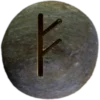
The rune Fehu (ᚠ), pronounced FAY-hoo, represents wealth, resources, and the movement of prosperity, aligning closely with the Vanir’s association with abundance and material well-being. This rune emphasizes the importance of circulation and responsible stewardship, reflecting how resources support both individuals and communities when used thoughtfully.
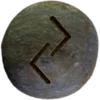
Another rune, Jēra(ᛃ), pronounced YEH-rah, symbolizes cycles, harvest, and the passage of time through repeating patterns that connect effort with reward. This rune complements the Vanir’s focus on growth and renewal, highlighting the importance of patience and consistency in achieving sustainable prosperity.
The Importance of the Vanir to Asatruar
Among Asatruar, the Vanir hold strong importance as figures who represent fertility, prosperity, and the active relationship between people and the natural world that sustains them. Practitioners engage with their stories and symbols to understand how balance, care, and cooperation contribute to both personal and communal well-being. Their example encourages individuals to recognize the value of growth, resource management, and emotional connection within daily life. Through seasonal observances, shared activities, and reflection, they maintain a connection to the Vanir, ensuring that their influence continues to guide how communities approach abundance, renewal, and mutual support.