Last Updated on April 9, 2026
Table of Contents

Freyr: Lord of Fertility, Peace, and Abundance
Freyr, also written as Frey and known in Old Norse as Freyr, is pronounced “FRAYR,” where the “ey” sounds like “ay” in “day,” giving his name a bright and open tone that reflects themes of growth and vitality. His name translates closely to “lord,” which highlights his role as a figure associated with prosperity, harmony, and the flourishing of both land and Community. Alternate spellings such as Frey appear in later traditions, yet each version maintains the same identity centered on fertility and well-being.
He governs fertility, harvests, and peace, which places him at the center of agricultural life and seasonal cycles that determine survival and prosperity. Farmers and communities rely on favorable conditions for crops and livestock, making Freyr’s influence deeply connected to everyday success and stability. His presence encourages cooperation with natural rhythms, emphasizing balance and care rather than forceful control.
Freyr’s character combines generosity with quiet authority, creating a figure who supports growth without relying on aggression or dominance to achieve his goals. This approach distinguishes him from more battle-oriented figures, since his influence manifests through nourishment, stability, and the steady progression of life. His role highlights the importance of patience and timing, which are essential for sustaining long-term success in agricultural societies.
Fertility, Prosperity, and Sacred Objects
Freyr possesses several remarkable items that reinforce his connection to abundance, including the ship Skíðblaðnir, pronounced “SKEETH-blath-neer,” where “ð” sounds like “th” in “this,” and “á” carries an “ow” sound. This ship can fold into a small form and expand when needed, symbolizing adaptability and the efficient use of resources within changing conditions. Its presence reflects how mobility and preparation contribute to prosperity and success.
He also owns the boar Gullinbursti, pronounced “GOOL-in-boor-stee,” whose golden bristles illuminate darkness and represent vitality, strength, and the life-giving energy associated with sunlight. This companion reinforces Freyr’s connection to growth and renewal, linking animal symbolism with agricultural cycles that sustain communities. Through these objects, Freyr’s influence becomes tangible, demonstrating how symbolic tools express deeper ideas about life and abundance.
Freyr’s association with peace also plays a significant role, since stable conditions allow communities to focus on cultivation, trade, and development without constant disruption. His influence supports cooperation and mutual benefit, encouraging relationships that strengthen collective well-being. This emphasis on harmony ensures that prosperity extends beyond material gain into social stability and shared progress.
Names, Pronunciation, and Literary Presence
The name Freyr includes a simple yet distinctive structure, where the “r” at the end creates a slight rolling sound that adds emphasis and rhythm when spoken aloud. In Old Norse pronunciation, the name carries clarity and resonance, which aligns with his role as a figure of growth and vitality. Alternate forms such as Frey remove the final consonant, simplifying pronunciation while retaining the core identity.
Freyr appears in the Poetic Edda and the Prose Edda, where texts describe his role in promoting fertility, his relationships with other figures, and his possession of powerful symbolic objects. These accounts highlight his importance within the narrative tradition, emphasizing themes of prosperity, peace, and the interconnectedness of natural and social systems. They also provide insight into how storytellers frame his influence through recurring motifs of growth and renewal.
Through these narratives, Freyr continues to represent a vision of success grounded in balance, patience, and cooperation with natural processes that sustain life. His stories resonate because they focus on essential aspects of human experience, including food production, stability, and community development. This enduring relevance ensures that his name remains closely associated with abundance and harmonious living.
Runes Associated with Freyr
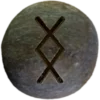
The rune Ingwaz (ᛜ or ᛝ), pronounced “ING-wahz,” connects strongly with Freyr through its association with fertility, internal growth, and the potential that develops into visible abundance over time. This rune reflects the quiet processes that occur beneath the surface, emphasizing preparation and gradual transformation rather than immediate results. Its meaning aligns with Freyr’s role in nurturing life and ensuring that growth unfolds in a balanced and sustainable way.
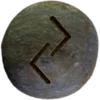
Another rune linked to Freyr is Jēra(ᛃ), pronounced “YEH-rah,” which represents cycles, harvest, and the natural rhythm of seasons that govern agricultural success. This rune highlights the importance of timing and consistency, reinforcing the idea that prosperity emerges through alignment with recurring patterns. Together, Ingwaz (ᛜ or ᛝ) and Jēra (ᛃ) capture themes of development and fruition, illustrating how Freyr embodies both the beginning and completion of growth.
Significance of Freyr to Asatruar
Freyr holds deep importance among Asatruar, who view him as a symbol of fertility, peace, and the sustaining forces that support both individual and communal well-being. His example encourages a focus on growth, cooperation, and the responsible use of resources, which aligns with values centered on balance and long-term stability. This perspective highlights the importance of nurturing both land and relationships.
His association with prosperity also carries meaning, since it emphasizes that abundance arises through effort, patience, and alignment with Natural Cycles rather than sudden gain. This idea reinforces a mindset that values preparation and thoughtful action, especially in contexts that require long-term commitment. Through these qualities, Freyr continues to serve as a guiding example of harmony, growth, and sustainable success.