Last Updated on April 23, 2026
Table of Contents
Skögul: A Valkyrie of Battle and Selection
Skögul, pronounced roughly as “SKOH-gool,” features the diacritical letter ö, which sounds similar to the “u” in “burn” but rounded through the lips, giving the name a distinct tonal quality. Alternate spellings include Skogul, Skögull, and Skogull, each reflecting different approaches to representing Old Norse sounds in modern alphabets. Her name often carries meanings connected to “shaker” or “one who stirs,” which aligns with her role in influencing the outcomes of battle. As one of the Valkyries, she serves Odin by selecting warriors who fall in combat and guiding them to Valhalla.
Descriptions of Skögul emphasize her presence on the battlefield, where she observes the clash of forces and determines which warriors will join the ranks of the honored dead. Her role requires discernment and authority, as she does not merely witness events but actively shapes their outcomes through selection. This function places her at the intersection of fate and action, where decisions carry lasting consequences for both individuals and the wider mythological order. Through this perspective, she embodies both the inevitability of death and the honor associated with it.
Imagery associated with Skögul often depicts her riding through the air or across battlefields, equipped with armor and weapons that reflect her martial nature. These depictions reinforce her identity as a figure who moves between realms, connecting the world of the living with the halls of the slain. Her presence signals a moment of transition, where the outcome of conflict determines a warrior’s ultimate destination. This transitional role contributes to her significance within Norse cosmology.
Skögul does not act in isolation, as she belongs to a group of valkyries who carry out Odin’s will and maintain the flow of warriors into Valhalla. Despite this collective role, her name appears individually in lists and poetic references, which highlights her distinct identity within the group. These mentions ensure that she remains recognizable among the many figures who share similar duties. Her individuality within a collective function adds depth to her portrayal and invites further exploration of her character.
Mentions in Eddic Literature
Skögul appears in sources such as the Poetic Edda, where her name is listed among the valkyries who serve Odin and participate in the selection of the slain. These references do not provide extensive narrative detail, yet they establish her presence within the mythological framework and confirm her role among these powerful figures. The inclusion of her name alongside others reinforces the importance of the valkyries as a group that influences the outcome of battles. Through these mentions, Skögul gains recognition as part of a larger system that governs the fate of warriors.
Additional references in Skaldic Poetry further emphasize her association with battle and selection, often using her name in kennings that describe conflict or death. These poetic uses highlight her symbolic importance, as they connect her identity with the themes of warfare and transition. The consistency of these references ensures that her role remains clear, even when detailed stories about her actions do not survive. This presence within literary tradition secures her place in Norse mythology.
Symbolism of Choice and Transition
Skögul symbolizes the act of choosing, where decisions determine the path that follows a moment of conflict. Her role reflects the idea that outcomes do not arise randomly, but instead result from forces that guide events toward specific conclusions. This perspective aligns with broader themes in Norse mythology, where fate and action intertwine to shape the course of existence. Through her function, she embodies the balance between inevitability and influence.
Her association with transition highlights the movement between life and death, where warriors pass from one state to another under her guidance. This process emphasizes continuity rather than finality, suggesting that death serves as a gateway to a different form of existence. The imagery of Skögul leading warriors to Valhalla reinforces this concept, presenting her as both a guide and a judge. Through this symbolism, she maintains a vital role within the mythological structure.
Runic Associations with Battle and Decision
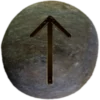
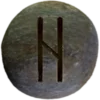
The rune Tiwaz (ᛏ) aligns closely with Skögul, as it represents honor, leadership, and the principles that guide warriors in battle. This rune reflects her role in selecting those who demonstrate courage and merit on the battlefield, linking her actions to the values that define heroic conduct. Another rune associated with her is Hagalaz (ᚺ), which symbolizes disruption, transformation, and the sudden changes that occur during conflict. Together, these runes capture the dynamic nature of battle and the निर्णative choices that shape its outcomes.
Meaning and Importance to Asatruar
Skögul holds importance to Asatruar, who often view her as a representation of the forces that guide critical moments and determine outcomes within both conflict and daily life. Her association with selection encourages reflection on the role of choice and the impact it has on personal paths and broader circumstances. Many interpret her presence as a reminder that actions carry consequences, which extend beyond immediate situations. This perspective highlights her relevance within spiritual understanding.
Followers frequently draw inspiration from Skögul when considering how to approach decisions that require clarity and resolve. Her role as a chooser reinforces the importance of acting with intention and awareness, especially in situations that demand careful judgment. Through this understanding, she continues to influence modern interpretations of Norse mythology, offering insight into the balance between action, consequence, and the transitions that define existence.