Last Updated on April 9, 2026
Table of Contents

Valhalla: Hall of the Fallen and Seat of Honor
Valhalla, also written as Valhǫll in Old Norse, is pronounced “VAL-hal-ah,” while Valhǫll sounds like “VAL-holl,” where “ǫ” resembles a short “o” and creates a rounded tone. The name combines “valr,” meaning the slain, and “hǫll,” meaning hall, which together form the idea of a grand place where fallen warriors gather. Alternate spellings such as Valhall or Walhalla appear in later adaptations, yet each version preserves the image of a vast and powerful hall connected to honor and battle.
It stands as a central location where warriors who fall in battle continue their existence under the guidance of Odin, engaging in daily combat and nightly feasting. This setting emphasizes continuity rather than finality, presenting death in battle as a transition into a different form of life filled with purpose and camaraderie. The hall itself represents both reward and preparation, since those who reside there train for future conflicts.
Valhalla’s structure reflects grandeur and strength, with descriptions that highlight immense size, countless doors, and a capacity to hold vast numbers of warriors within its walls. These features reinforce the idea that the hall functions as a gathering place for those who demonstrate courage and commitment during their lives. Its presence within the narrative landscape creates a focal point for themes of honor, bravery, and collective identity.
Daily Life Within the Hall
Life in Valhalla follows a distinct rhythm, where warriors engage in combat during the day, testing their skills and strength against one another in a continuous cycle of challenge and improvement. Each evening, they gather to feast, restoring themselves fully regardless of injuries sustained during the day’s battles. This pattern creates an environment where conflict and celebration exist together, reinforcing the values of resilience and camaraderie.
The hall provides sustenance through the boar Sæhrímnir, pronounced “SIGH-rim-neer,” where “æ” sounds like “eye,” and through the goat Heiðrún, pronounced “HAY-throon,” where “ð” produces a soft “th” sound. These sources ensure that food and drink remain abundant, supporting the ongoing activities within the hall. Their presence highlights the idea that resources renew continuously, allowing the inhabitants to focus on preparation and fellowship.
Valhalla also serves as a place of instruction, where warriors refine their abilities and prepare for future challenges that require coordination and strength. This aspect emphasizes growth and readiness, showing that even in a place of honor, development continues through effort and practice. The environment encourages persistence, reinforcing the idea that achievement requires ongoing dedication.
Names, Pronunciation, and Literary Presence
The Old Norse form Valhǫll includes characters that shape pronunciation, where “ǫ” creates a rounded vowel and “ll” produces a clear and firm ending that anchors the word. These phonetic elements preserve the sound patterns of the original language, offering insight into how names carry meaning through both structure and sound. Simplified forms like Valhalla adapt these features into more familiar patterns while maintaining the core identity.
Valhalla appears in the Poetic Edda and the Prose Edda, where texts describe its structure, its inhabitants, and its role within the broader narrative framework. These works present detailed images of the hall, emphasizing its importance as a destination for warriors and as a setting for ongoing activity. They also highlight its connection to Odin and the selection of those who enter its gates.
Through these descriptions, Valhalla remains a powerful symbol of honor and continuity, representing a space where effort and courage lead to lasting recognition and purpose. Its depiction emphasizes collective identity, showing how individuals contribute to a larger group through shared experiences and goals. This enduring image ensures that Valhalla continues to hold a prominent place within storytelling traditions.
Runes Associated with Valhalla
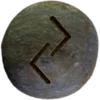
The rune Tiwaz (ᛏ), pronounced “TEE-wahz,” aligns closely with Valhalla through its association with honor, sacrifice, and the disciplined pursuit of purpose within a structured environment. This rune reflects the values that define the warriors who reside in the hall, emphasizing commitment and integrity in the face of challenge. Its meaning reinforces the idea that entry into Valhalla requires both action and adherence to a code.
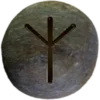
Another rune connected to Valhalla is Algiz (ᛉ), pronounced “ALL-geez,” which represents protection, defense, and the safeguarding of individuals within a collective space. This rune highlights the protective aspects of the hall, where warriors find both security and opportunity for growth. Together, Tiwaz (ᛏ) and Algiz (ᛉ) illustrate themes of honor and protection, capturing the essence of Valhalla as a place of strength and unity.
Significance of Valhalla to Asatruar
Valhalla holds strong meaning for Asatruar as a symbol of honor, courage, and the continuation of purpose beyond physical life. Its image encourages individuals to approach challenges with determination, knowing that actions carry lasting significance within a broader framework of values. This perspective reinforces the importance of integrity and commitment.
The concept of Valhalla also emphasizes Community, since those who enter the hall become part of a collective defined by shared experience and mutual respect. This aspect highlights the importance of connection and cooperation, even in contexts shaped by conflict and challenge. Through these themes, Valhalla continues to serve as a powerful representation of purpose, unity, and enduring effort.