Last Updated on April 11, 2026
Table of Contents
Yggdrasil: The Living Axis of the Worlds
Yggdrasil, also spelled Yggdrasill or Ygdrasil, pronounced “IG-drah-sil” where the double g forms a hard sound, stands as a vast and enduring tree that connects all realms within the Norse worldview. Its name combines elements that suggest both power and movement, and it reflects a deep connection between life, structure, and continuity. This immense ash tree stretches beyond ordinary space, and it anchors the existence of gods, humans, and other beings through its roots and branches.
The tree’s structure includes three great roots that extend into different regions, and each root reaches a significant well or source that influences the balance of existence. One root reaches Urðarbrunnr, pronounced “OOR-dhar-broonnr,” where the letter ð sounds like the “th” in “this,” and this well connects to fate and the shaping of events. Another root reaches Mímisbrunnr, pronounced “MEE-mis-broonnr,” which holds wisdom and knowledge that figures seek at great cost.
The third root extends into Hvergelmir, pronounced “KVER-gel-meer,” a source associated with primal forces and flowing waters that sustain life while also carrying destructive potential. These connections reveal how Yggdrasil supports not only physical existence but also abstract forces such as knowledge, memory, and destiny. The tree remains central to understanding how different elements of existence interact within a unified system.
Life Within the Branches and Roots
Yggdrasil hosts a variety of beings that inhabit its structure, and these creatures contribute to the ongoing balance and tension that define its existence. The eagle that perches at the top observes all realms, and it maintains a vantage point that symbolizes awareness and oversight across the entire system. Meanwhile, the squirrel Ratatoskr, pronounced “RAH-tah-toh-skr,” carries messages between the eagle and the serpent below, and it creates constant movement along the tree’s length.
At the base, the serpent Níðhöggr, pronounced “NEETH-hoggr,” where í sounds like “ee” and ð like “th” in “this,” gnaws at the roots, and it introduces an element of decay that challenges the tree’s stability. This ongoing action does not destroy Yggdrasil, and instead it creates a balance between growth and erosion that keeps the system dynamic. Other creatures, including deer that feed on the leaves, further contribute to the constant exchange of energy and resources.
The Norns, known as Urðr, Verðandi, and Skuld, shape fate near one of the roots, and their names include séríslenskur letters that reflect their linguistic origins, with ð pronounced as “th” in “this.” Their presence ensures that time, action, and consequence remain intertwined with the life of the tree. Through these interactions, Yggdrasil becomes more than a structure, and it acts as a living network where every action influences the whole.
Appearances in Old Norse Texts
Yggdrasil appears prominently in the
Accounts within these sources describe how gods gather near its roots, and they show how important decisions and events unfold in its presence. The tree provides a setting where knowledge, fate, and action converge, and it reinforces the idea that all aspects of existence connect through a shared foundation. These descriptions give Yggdrasil a sense of immediacy, and they present it as an active participant in the unfolding of events.
Through these appearances, Yggdrasil gains a clear identity as the central axis that binds all realms and beings together. Its presence continues to shape how people understand connection, continuity, and the balance between growth and decay. The tree stands as a powerful representation of an interconnected world that remains active and evolving.
Runes Linked to Yggdrasil
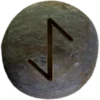
The rune Eihwaz (ᛇ), pronounced “EYE-wahz,” connects closely with Yggdrasil, and it represents endurance, transformation, and the link between different states of existence. This rune reflects the yew tree, which carries associations with longevity and resilience, and it aligns with the enduring nature of Yggdrasil. Its symbolism emphasizes stability within change, and it highlights how strength allows connections to persist across time.
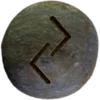
Another rune, Jēra (ᛃ), pronounced “YEH-rah,” represents cycles, harvest, and the passage of time, and it mirrors the ongoing processes that occur within Yggdrasil’s structure. This rune emphasizes repetition and renewal, and it reflects how actions lead to outcomes that feed back into the system. Together, these runes express the balance between endurance and change, and they capture key aspects of Yggdrasil’s role.
Yggdrasil’s Importance to Asatruar
Yggdrasil holds deep importance for Asatruar, and it provides a powerful symbol that connects all aspects of existence through a living and structured system. This tree represents the idea that life, knowledge, and fate remain interconnected, and it encourages awareness of how actions influence the broader network. Its presence supports a perspective that values balance, continuity, and responsibility within both personal and shared experiences.
The image of Yggdrasil encourages individuals to see themselves as part of a larger system, and it reinforces the importance of maintaining harmony within that structure. Its roots and branches symbolize connections that extend beyond immediate surroundings, and they highlight the importance of understanding relationships across different levels of existence. This perspective fosters a sense of purpose, and it encourages thoughtful engagement with the world and its many layers.