Last Updated on April 11, 2026
Table of Contents

Asgard: Realm of the Æsir
Asgard, also spelled Ásgarðr or Asgarth, pronounced “AZ-gard” in English and “AWS-garðr” in Old Norse where ð sounds like the “th” in “this,” stands as the realm of the Æsir gods and serves as a central place of power and governance. This realm exists high above other worlds, and it connects to them through structured pathways that allow controlled movement and interaction. Asgard represents order, authority, and continuity, and it functions as a place where decisions shape events across all realms.
The realm contains many notable halls and structures, and each one reflects the role and identity of the gods who dwell within them. Valhalla, pronounced “VAL-hall,” serves as a great hall where chosen warriors gather, and it stands as one of the most recognized locations within Asgard. Other halls such as Vingólf, pronounced “VIN-goalf,” provide space for gatherings and ceremonies that reinforce the social and spiritual structure of the realm.
Asgard does not exist in isolation, and it maintains a strong connection to Miðgarðr, pronounced “MITH-garðr,” which represents the human world. The bridge Bifröst, pronounced “BEE-vrost,” links these realms, and it allows specific forms of travel that follow defined rules. This connection ensures that Asgard remains involved in the affairs of other realms while maintaining its own distinct identity and authority.
Structure and Daily Life
Asgard operates as a structured and organized realm, and the Æsir maintain order through councils, gatherings, and shared responsibilities that guide their actions. The gods meet regularly to discuss matters that affect multiple realms, and these meetings reinforce their roles as leaders within a connected system. This organized approach ensures that decisions reflect collective understanding rather than isolated judgment.
Daily life includes preparation, training, and interaction among its inhabitants, and these activities support both immediate needs and long term goals. Warriors train for future conflicts, and gods engage in tasks that maintain the balance of their realm and its connections to others. This constant activity creates a sense of purpose, and it reinforces the idea that every role contributes to the stability of the whole.
The environment within Asgard reflects both strength and refinement, and it includes grand structures alongside open spaces that allow movement and observation. These features create a setting where power and awareness coexist, and they support the functions required to govern a complex network of realms. Asgard therefore stands as both a place of action and a center of oversight.
Appearances in Old Norse Texts
Asgard appears prominently in the
Stories within these sources describe interactions between the Æsir and beings from other realms, and they highlight how these encounters shape outcomes that affect multiple worlds. The narratives often involve travel across Bifröst, and they show how movement between realms requires intention and purpose. These accounts reinforce the importance of Asgard as a central point of coordination and influence.
Through these depictions, Asgard gains a clear identity as a realm that balances authority with responsibility, and it demonstrates how leadership functions within an interconnected system. Its presence within these texts continues to shape understanding of structured power and the relationships that define it.
Runes Connected to Asgard
The rune Ansuz (ᚨ), pronounced “AHN-sooz,” connects strongly with communication, divine authority, and the exchange of knowledge, and it reflects the role of the gods within Asgard as leaders and decision makers. This rune represents speech, wisdom, and guidance, and it aligns with the gatherings and councils that take place within the realm. Its symbolism emphasizes clarity and intention, and it highlights the importance of communication in maintaining order.
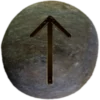
Another rune, Tiwaz (ᛏ), pronounced “TEE-wahz,” represents honor, leadership, and structured action, and it mirrors the disciplined and organized nature of Asgard. This rune reflects commitment to principles and the willingness to act with purpose, and it aligns with the responsibilities carried by the Æsir. Together, these runes express authority and direction, and they capture essential aspects of Asgard’s identity.
Asgard’s Importance to Asatruar
Asgard holds strong importance for Asatruar, and it provides a model of structured leadership and interconnected responsibility that influences how practitioners view both Community and individual roles. This realm represents a place where decisions carry weight, and it encourages thoughtful action that considers broader consequences. Its structure supports a perspective that values cooperation, awareness, and purposeful engagement.
The image of Asgard reinforces the idea that leadership involves both authority and accountability, and it encourages individuals to approach their responsibilities with clarity and intention. Its connection to other realms highlights the importance of maintaining relationships and understanding how actions affect wider systems. This perspective fosters a sense of balance, and it supports a grounded approach to both personal growth and shared experience.