Last Updated on April 27, 2026
Table of Contents
Mythic Depths and the Tale of Hymiskviða
Hymiskviða, pronounced “HIM-iss-kvee-tha,” carries diacritical letters that shape its sound, where the letter ð sounds like a soft “th” in the word “this.” Scholars also present alternate spellings such as Hymiskvida or Hymiskvitha, which simplify the original Old Norse form while preserving its narrative identity. This poem tells a vivid story of Thor’s daring fishing journey, where strength, wit, and confrontation define each unfolding moment.
The narrative centers on Thor and his companion Týr as they seek a massive cauldron from the giant Hymir, whose name one can pronounce as “HEW-meer.” Thor travels into the realm of giants with determination, knowing that the gods require the vessel for brewing ale during feasts. The story balances humor and tension, as Thor’s immense appetite and bold personality challenge the cautious nature of Týr, who understands the dangers of dealing with giants.
Thor’s encounter with Hymir reveals a mixture of hostility and reluctant cooperation, as the giant tests Thor’s strength through demanding tasks. One striking episode shows Thor consuming enormous quantities of food, which unsettles Hymir and highlights Thor’s divine appetite. This interaction sets the tone for the later fishing expedition, where Thor demonstrates courage by venturing into dangerous waters in pursuit of a legendary catch.
Thor’s Fishing Trial and the Serpent Encounter
The fishing scene forms the dramatic core of Hymiskviða, as Thor insists on rowing far beyond safe boundaries despite Hymir’s visible unease. Thor uses an ox head as bait, showing both resourcefulness and a willingness to provoke powerful creatures beneath the sea’s surface. The tension rises when Thor hooks the great serpent Jörmungandr, pronounced “YOR-moon-gahn-dr,” whose immense size threatens both the boat and the balance of the world.
Thor pulls the serpent upward with tremendous force, gripping his line with unwavering strength while the sea churns violently around him. Hymir reacts with fear, recognizing the catastrophic potential of this encounter, and ultimately severs the line to prevent further danger. This moment frustrates Thor, whose desire to defeat the serpent reflects an ongoing rivalry that echoes throughout Norse mythological traditions.
After the failed capture, Thor returns to shore and completes the final test by breaking a goblet that only shatters when thrown against Hymir’s head. This clever solution reveals Thor’s adaptability, proving that brute force alone does not define his success. The gods ultimately obtain the cauldron, fulfilling their goal while reinforcing Thor’s role as a protector and challenger of chaotic forces.
Sources and Literary Context
Hymiskviða appears within the Poetic Edda, a collection of Old Norse poems preserved in medieval manuscripts that record mythological and heroic traditions. The poem contributes to a broader understanding of Thor’s character, presenting him as both a fierce warrior and a figure capable of humor and persistence. Its storytelling style relies on dialogue and vivid imagery, which bring the mythic world to life through dynamic interactions.
The poem also connects with other narratives involving Thor and Jörmungandr, reinforcing themes of inevitable conflict between order and chaos. These recurring encounters emphasize the cyclical nature of mythological storytelling, where unresolved tensions continue to shape future events. Readers often find that Hymiskviða blends action with symbolic meaning, offering insight into how Norse culture viewed strength, fate, and the boundaries between worlds.
Through its memorable scenes and distinctive language, Hymiskviða stands as a compelling example of Old Norse poetic tradition. Its enduring appeal comes from its ability to combine humor, danger, and mythic grandeur in a single narrative. The poem invites readers to explore a world where gods confront giants, test their limits, and shape the stories that define their legacy.
Runic Echoes Within the Tale
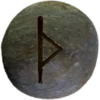
The rune Thurisaz (ᚦ), pronounced “THOO-ree-saz,” connects strongly with the themes of conflict and giant forces that appear throughout Hymiskviða. This rune represents raw power and chaotic energy, which align closely with Thor’s confrontations and the looming presence of formidable beings like Hymir. Its association with both danger and protection reflects the tension that defines the fishing expedition and the risks Thor willingly embraces.
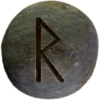
The rune Raido (ᚱ), pronounced “RYE-doh,” symbolizes journeys, movement, and purposeful travel, which mirror Thor’s determined quest to secure the cauldron. This rune highlights the structured aspect of the narrative, where each step of the journey leads toward a clear objective despite obstacles and uncertainty. Together, Thurisaz (ᚦ) and Raido (ᚱ) capture the balance between force and direction that drives the events of Hymiskviða forward.
Meaning and Value for Asatruar
Hymiskviða holds strong meaning for Asatruar because it presents Thor as a figure who embodies courage, persistence, and direct engagement with powerful adversaries. Followers often look to this story as an example of facing challenges without hesitation, while still relying on clever thinking when brute strength alone cannot resolve a situation. The narrative reinforces the idea that effort and resilience carry deep spiritual significance.
Many Asatruar also value the communal aspect of the story, where the gods seek the cauldron to prepare shared feasts that strengthen bonds within their group. This emphasis on cooperation and shared purpose resonates with modern practices that highlight Community and mutual support. Through its vivid storytelling, Hymiskviða continues to inspire reflection on strength, responsibility, and the importance of meaningful action.