Last Updated on April 28, 2026
Table of Contents
The Giant Hymir in Norse Mythology
Hymir, sometimes spelled Hymirr or Hýmir, stands as a formidable Jötunn, or giant, within the mythic traditions of the Norse world. Scholars usually pronounce Hymir as HOO-meer, with a long vowel sound in the first syllable and a crisp ending that reflects Old Norse phonetic patterns. Stories describe him as immensely strong, deeply connected to the sea, and often hostile toward the gods, though he occasionally interacts with them through uneasy alliances. His character embodies the raw, untamed forces that the gods must confront, particularly in tales that emphasize physical strength and endurance.
Many accounts portray Hymir as a figure who possesses great wealth and magical objects, including an enormous cauldron that later becomes central to one of the most well-known myths involving the gods. His home lies in a distant and dangerous region, reinforcing his role as an outsider to the ordered world of the Æsir. These portrayals highlight a recurring theme in Norse mythology, where giants represent chaos and primal nature, yet still remain necessary participants in the cosmic balance. His interactions with the gods illustrate tension rather than simple opposition, which adds depth to his narrative presence.
One of the most famous stories involving Hymir recounts a fishing expedition with Thor, the thunder god, where they venture into the deep sea to catch the Midgard Serpent. He shows both courage and fear during this journey, as he initially assists Thor but becomes terrified when the serpent appears from the depths. This moment reveals his limitations, even though he possesses immense strength, and it emphasizes the contrast between divine bravery and giant apprehension. The myth also underscores the unpredictable nature of the sea, a domain closely tied to Hymir’s identity and influence.
Role in Mythic Narratives
Another significant tale involving Hymir centers on the retrieval of a massive cauldron required by the gods to brew ale for a grand feast. Thor and his companion travel to Hymir’s hall, where they encounter a tense and dangerous environment filled with tests of strength and endurance. He attempts to challenge Thor through feats such as lifting heavy objects and enduring powerful forces, yet Thor ultimately surpasses him, demonstrating divine superiority. This narrative reinforces the recurring motif of gods overcoming giants while still relying on their resources.
Hymir’s household itself reflects his intimidating nature, as descriptions often include enormous livestock, fierce surroundings, and a general atmosphere of hostility. Despite this, the story introduces a more nuanced element through the presence of a helpful female figure within his home, who aids Thor in navigating Hymir’s challenges. This detail suggests that even within the domain of giants, not all beings align fully with chaos or opposition. His character therefore contributes to a broader understanding of the mythological landscape, where alliances and conflicts remain fluid rather than absolute.
References to Hymir appear in the Poetic Edda, particularly in a poem that details the quest for the cauldron and the fishing expedition with Thor. These sources preserve key aspects of his personality and actions, allowing later generations to interpret his role within the mythic framework. He emerges as a figure defined by strength, pride, and a deep connection to elemental forces, especially the sea. His presence in these texts ensures that he remains an important example of the complex relationships between gods and giants in Norse storytelling.
Runes Connected to Hymir
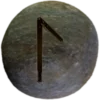
The rune Laguz (ᛚ), pronounced LAH-gooz, connects strongly to Hymir due to its association with water, the sea, and fluid movement. This rune represents the unpredictable and powerful nature of oceans, which aligns closely with his role as a sea-linked giant. Mythic themes surrounding fishing, deep waters, and hidden dangers reinforce this symbolic connection, as Laguz (ᛚ) often signifies intuition and the unseen depths beneath the surface. His encounters in the ocean reflect these qualities, especially during the famous attempt to catch the Midgard Serpent.
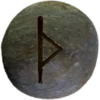
The rune Thurisaz (ᚦ), pronounced THOO-ree-sahz, also relates to Hymir because it symbolizes giants, raw force, and confrontation. This rune embodies the tension between order and chaos, which defines many interactions between gods and jötnar in Norse mythology. His physical strength, aggressive challenges, and resistance to the gods align with the energy represented by Thurisaz (ᚦ). Together, these runes highlight both his elemental ties and his role as a powerful adversary within mythic narratives.
Significance of Hymir to Asatruar
Hymir holds importance to Asatruar because he represents the essential balance between opposing forces within the Norse cosmological worldview. Practitioners often view giants like Hymir as embodiments of natural power that exist alongside the structured order upheld by the gods. His stories illustrate how strength alone does not guarantee dominance, since even powerful beings must confront limits when facing divine will. These lessons resonate with those who study and honor the myths as guides for understanding balance and resilience.
Hymir’s presence in key myths also emphasizes cooperation and conflict as intertwined aspects of existence. Asatruar may interpret his interactions with Thor as symbolic of necessary struggle, where growth and achievement arise through challenge rather than comfort. His connection to the sea further deepens his significance, since water often represents both life and danger within spiritual interpretations. Through these perspectives, Hymir remains a meaningful figure whose narratives continue to inform modern engagement with Norse tradition.