
Last Updated on May 4, 2026
Table of Contents

The Emotional and Literary Depth of The Sonatorrek
The Sonatorrek stands as one of the most powerful poetic expressions of grief in Old Norse literature, capturing the anguish of a father mourning the loss of his sons with striking emotional clarity. This poem, attributed to the Icelandic skald Egill Skallagrímsson, presents a deeply personal narrative that explores sorrow, anger, and reluctant acceptance through intricate language and metaphor. Readers often find themselves drawn into the poet’s internal struggle, where he confronts both the inevitability of death and the silence of the gods.
The name The Sonatorrek comes from Old Norse and roughly translates to “the irreparable loss of sons,” with “sonatorrek” pronounced soh-nah-tohr-rehk. Some variations in spelling include Sonatorrek and Sonatorrekkr, though The Sonatorrek remains the most widely recognized modern form. The poem appears in Egil’s Saga, a medieval Icelandic narrative that blends history and legend, giving context to the devastating personal events that inspired the composition.
The poet’s voice carries a tone that shifts between defiance and vulnerability, as he struggles to reconcile his identity as a warrior with his role as a grieving father. He expresses frustration toward Odin, the chief of the Norse gods, accusing him of granting poetic skill while failing to protect his family from tragedy. This tension between divine gift and personal loss creates a compelling narrative that continues to resonate with audiences who seek to understand the human response to suffering.
Language, Structure, and Cultural Context
The Sonatorrek uses a complex poetic structure known as Dróttkvætt, which demands strict rules for meter, rhyme, and alliteration, showcasing the poet’s exceptional skill and discipline. Each stanza reflects careful construction, yet the emotional intensity never feels constrained, allowing the poem to maintain both technical brilliance and heartfelt expression. This balance highlights how Norse poets valued both artistry and authenticity in their work.
The cultural background of The Sonatorrek reveals much about Viking Age beliefs, particularly regarding fate, honor, and the role of the gods in human affairs. While many Norse texts emphasize heroism and glory, this poem shifts focus toward vulnerability and personal loss, offering a rare glimpse into private emotional experiences. It challenges the assumption that early Norse culture lacked emotional depth, instead revealing a nuanced understanding of grief and resilience.
Pronunciation plays an important role in appreciating the original text, as Old Norse sounds differ significantly from modern English patterns. For example, the “ö” sound often resembles the vowel in “her,” while rolled consonants add rhythm and intensity to spoken recitations. These phonetic qualities enhance the musicality of the poem and help convey the emotional weight carried within each line.
Enduring Influence and Interpretation
The Sonatorrek continues to influence modern interpretations of Norse mythology and literature, inspiring translations, academic studies, and creative adaptations across various media. Scholars analyze its themes to better understand how early Scandinavian societies processed grief, while writers draw upon its imagery to craft contemporary works that echo its emotional depth. This ongoing engagement demonstrates the timeless relevance of the poem’s core message.
Many readers interpret The Sonatorrek as a meditation on the limits of human control, emphasizing how even the strongest individuals must confront forces beyond their influence. The poet’s eventual acceptance of his loss does not erase his pain, but it reveals a gradual shift toward endurance and reflection. This progression offers insight into how people across cultures and eras cope with profound personal tragedy.
The poem also serves as a bridge between myth and reality, blending references to gods and fate with deeply human experiences that transcend cultural boundaries. Its legacy endures because it speaks to universal emotions, allowing each generation to find meaning within its verses. Through its powerful language and emotional honesty, The Sonatorrek remains a cornerstone of Old Norse literary tradition.
Runes Associated with The Sonatorrek
The rune Algiz (ᛉ), pronounced ahl-geez, often represents protection and spiritual connection, making it a meaningful symbol when reflecting on themes found in The Sonatorrek. This rune connects to the idea of seeking divine support during times of hardship, even when that support feels distant or uncertain. Its association with higher awareness aligns with the poet’s struggle to understand the role of the gods in his suffering.
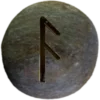
The rune Ansuz (ᚨ), pronounced ahn-sooz, relates to communication, wisdom, and the influence of divine forces, particularly those linked to Odin. This connection proves especially relevant, as The Sonatorrek directly addresses the tension between the poet and Odin’s gifts. Ansuz (ᚨ) reflects the power of language and poetry, emphasizing how words can serve as both a blessing and a burden in expressing grief.
The Importance of The Sonatorrek to Asatruar
Asatruar, who follow a modern revival of Norse pagan traditions, often view The Sonatorrek as a deeply meaningful text that illustrates the complexity of human relationships with the gods. The poem does not present blind devotion, but instead shows a dynamic interaction that includes frustration, questioning, and eventual reconciliation. This perspective resonates with practitioners who value personal experience and emotional honesty in their spiritual paths.
The Sonatorrek also highlights the importance of honoring ancestors and acknowledging the impact of loss within a Community. Its themes encourage reflection on how individuals cope with grief while maintaining strength and dignity. For many Asatruar, the poem serves as both a cultural artifact and a source of inspiration, reinforcing the idea that emotional expression holds a respected place within their worldview.