Last Updated on May 1, 2026
Table of Contents

Understanding Earth-Centric Asatru
Earth-Centric Asatru represents a modern expression of Norse-inspired spirituality that places deep emphasis on the natural world, seasonal cycles, and the living environment surrounding practitioners. Followers of this path draw from historical Asatru traditions while actively integrating ecological awareness and environmental respect into their daily spiritual practices. This approach does not isolate divine beings from the physical world, but instead views nature itself as a sacred and immediate manifestation of spiritual forces.
The term Asatru comes from Old Norse roots, where Asa refers to the Æsir gods and tru means faith or belief, and it is commonly pronounced as AH-sah-troo. Earth-Centric Asatru builds upon this foundation by shifting focus toward land spirits, natural rhythms, and localized expressions of reverence that connect individuals directly to their environment. Practitioners often use alternative spellings such as Asatrú, which includes an accented letter, pronounced AH-sah-troo with a slightly elongated final vowel sound.
Earth-Centric Asatru encourages individuals to develop personal relationships with the land they inhabit, rather than relying solely on distant mythological narratives or rigid ritual structures. This practice often includes honoring seasonal changes such as solstices and equinoxes, observing local wildlife patterns, and cultivating an awareness of ecological balance. Followers believe that spiritual growth occurs through active participation in the cycles of nature, which fosters both responsibility and connection.
Pronunciation and Alternate Names
The phrase Earth-Centric Asatru is pronounced ERTH-SEN-trik AH-sah-troo, with clear emphasis on the first syllable of each word to maintain clarity and rhythm. Some practitioners also refer to similar paths using terms like Nature-Based Asatru or Ecological Asatru, though these names highlight slightly different philosophical emphases within the same general framework. Despite variations in terminology, the central idea remains rooted in honoring the Earth as a living, sacred presence.
In addition to Asatrú, older texts sometimes use the spelling Asatru, which includes diacritical marks that influence pronunciation, making it sound closer to OW-sah-troo when spoken carefully. These linguistic variations reflect the historical origins of the belief system, while modern adaptations allow practitioners to express spirituality in ways that resonate with contemporary environmental concerns. Understanding these pronunciations helps preserve cultural continuity while allowing for personal interpretation.
Earth-Centric Asatru does not enforce strict doctrine, which allows individuals to shape their spiritual experiences based on their environment and personal values. This flexibility attracts those who seek a balance between ancient tradition and modern ecological awareness, creating a path that feels both rooted and adaptable. The emphasis on direct experience ensures that spirituality remains active, lived, and closely tied to the world around them.
Runes and Natural Symbolism
Two Elder Futhark runes commonly associated with Earth-Centric Asatru include Jēra (ᛃ) and Berkanan (ᛒ), both of which reflect themes of growth, cycles, and natural renewal. Jēra (ᛃ), pronounced YEH-rah, represents the yearly harvest cycle and symbolizes the rewards that come from patience, effort, and alignment with natural timing. Practitioners often associate this rune with seasonal change, agricultural rhythms, and the understanding that all processes unfold in their proper time.
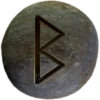
Berkanan (ᛒ), pronounced BEHR-kah-nah, connects to birth, fertility, and the nurturing aspects of the Earth, often symbolizing trees, especially birch trees, which hold cultural significance in many Northern traditions. This rune reflects regeneration, protection, and the quiet strength found in natural growth, making it particularly meaningful for those who focus on environmental harmony. Together, these runes reinforce the central values of Earth-Centric Asatru by emphasizing cycles, renewal, and the interconnectedness of all living systems.
Spiritual Importance to Practitioners
Earth-Centric Asatru holds deep importance for Asatruar because it offers a tangible and immediate way to experience spirituality through the natural world rather than through distant or abstract concepts. Practitioners often feel a strong sense of responsibility toward environmental stewardship, as their beliefs encourage active care for the land and ecosystems they depend upon. This connection transforms spiritual practice into a lived experience that influences daily decisions and long-term values.
The path strengthens identity by linking individuals to both ancestral traditions and the present environment, creating a bridge between history and modern ecological awareness. Many followers find that this approach fosters a sense of belonging and purpose, as it aligns spiritual beliefs with observable natural processes and cycles. Through this integration, Earth-Centric Asatru continues to evolve as a meaningful and relevant expression of faith in a changing world.