Last Updated on May 20, 2026
Table of Contents
The Story and Legacy of King Fjölnir
King Fjölnir, pronounced FYURL neer, appears among the earliest legendary rulers connected with ancient Scandinavian royal traditions. Writers also spell the name as Fjolnir, Fjǫlnir, or Fjolner in several modern translations and academic discussions concerning Old Norse literature. The letter ö sounds similar to the i in bird while spoken with rounded lips, and the séríslenskur letter ǫ carries a broad vowel sound similar to aw. Medieval storytellers preserved accounts about King Fjölnir through oral tradition long before Icelandic scribes recorded them in written form.
King Fjölnir belongs to the Yngling dynasty, a legendary royal lineage that traced its ancestry to the god Freyr and shaped early Scandinavian ideas concerning kingship and divine authority. The Saga of the Ynglings, pronounced The Saga of the ING lings, presents him as the son of Freyr and the giantess Gerðr, whose name sounds similar to Gairth. This ancestry gave the dynasty sacred prestige because rulers claimed descent from powerful supernatural beings connected with fertility, prosperity, and leadership. Ancient Nordic societies often linked successful rulers with divine favor, which strengthened loyalty among followers and reinforced political stability.
The surviving stories describe King Fjölnir as a prosperous and respected ruler whose reign brought peace and abundance to his people. Unlike several Norse kings remembered mainly through warfare and conquest, King Fjölnir gained recognition through stability and successful governance rather than relentless military ambition. The narrative emphasizes prosperity because agricultural success determined survival across harsh Scandinavian environments where poor harvests threatened entire communities. Strong rulers therefore needed wisdom, diplomacy, and practical judgment in addition to physical courage.
One of the most memorable episodes involving King Fjölnir concerns his unusual and tragic death during a visit to Denmark. According to the story, he attended a feast hosted by the Danish king Froði, pronounced FROH thee, where heavy drinking and celebration continued late into the evening. During the night, King Fjölnir accidentally fell into a massive vat of mead and drowned before anyone realized what had happened. This surprising ending reflects a recurring Norse literary theme because even powerful rulers could not escape unpredictable fate or sudden death.
Royal Symbolism and Literary Tradition
The story of King Fjölnir reveals important ideas concerning kingship and destiny within early Scandinavian cultural imagination. Norse traditions respected strength and courage, yet many sagas also reminded audiences that fortune could change without warning regardless of status or reputation. King Fjölnir ruled successfully and maintained prosperity, but fate still ended his life through an unexpected accident rather than through glorious battle. Medieval audiences likely viewed this outcome as a reminder that human control always remained limited before the power of destiny.
Snorri Sturluson included King Fjölnir within Heimskringla, a major collection of Norwegian kings’ sagas compiled during the thirteenth century. Heimskringla, pronounced HAYMS kring lah, preserved legendary and semi historical narratives that connected Scandinavian rulers with heroic and mythological ancestry. The Ynglinga Saga forms the opening section of this larger work and establishes the mythic foundation for later royal genealogies. Through these writings, King Fjölnir became part of a broader literary effort that blended political identity, oral tradition, and mythic storytelling.
Scholars continue debating how much historical truth survives within stories about King Fjölnir and the Yngling dynasty because the narratives combine mythological symbolism with possible cultural memories. Archaeological discoveries throughout Sweden and Denmark reveal powerful regional rulers and ceremonial centers that may resemble some descriptions preserved within saga literature. Historians therefore study these stories carefully while comparing them with burial sites, artifacts, and linguistic evidence from the Viking Age and earlier periods. This mixture of legend and historical possibility keeps interest in King Fjölnir alive among readers and researchers.
Modern audiences often appreciate King Fjölnir because his story combines grandeur, irony, and reflection upon mortality within a surprisingly concise narrative. The image of a celebrated ruler meeting death through an accident during a feast creates a memorable contrast with expectations surrounding heroic kings. Norse literature frequently embraced this kind of stark realism because fate operated without sentiment or predictable justice. King Fjölnir therefore remains an enduring figure whose legend captures the fragile balance between prosperity, power, and unavoidable mortality.
Elder Futhark Runes Associated with King Fjölnir
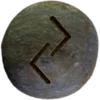
The Elder Futhark rune Jēra (ᛃ), pronounced YEH rah, connects naturally with King Fjölnir because the rune symbolizes harvest cycles, prosperity, and successful seasonal growth. Stories describing King Fjölnir emphasize abundance and stable leadership rather than conquest or destructive warfare, which aligns closely with the meaning attached to Jēra (ᛃ). Ancient Scandinavian societies depended heavily upon fertile land and dependable harvests, making agricultural success a defining measure of royal effectiveness. The symbolic association between Jēra (ᛃ) and King Fjölnir therefore reflects ideals connected with peace, prosperity, and responsible governance.
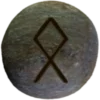
Another rune commonly associated with King Fjölnir is Othila (ᛟ), pronounced OH thah lah, which represents inheritance, ancestry, and dynastic continuity. The Yngling dynasty claimed divine origins through Freyr, and this sacred ancestry strengthened political legitimacy within legendary Scandinavian tradition. Othila (ᛟ) reflects the importance of family lineage and inherited authority that shaped many royal narratives preserved within Norse literature. Readers often connect the rune with King Fjölnir because his story forms part of a larger dynastic legacy extending across generations of legendary rulers.
The Importance of King Fjölnir to Asatruar
Many Asatruar value King Fjölnir because his story preserves themes connected with sacred kingship, prosperity, and ancestral continuity within early Scandinavian tradition. His connection with Freyr and the Yngling dynasty reflects ancient beliefs that linked successful leadership with divine favor and communal well being. Modern practitioners often study these narratives to better understand how pre Christian Nordic societies viewed authority, responsibility, and the relationship between rulers and the land. The story therefore provides cultural insight as well as spiritual symbolism.
King Fjölnir also represents the Norse understanding that fate governs every life regardless of status, power, or achievement. His sudden death during a feast demonstrates the fragile nature of earthly success and reminds readers that destiny operates beyond human control. Asatruar frequently reflect upon these lessons while considering honor, mortality, and the responsibilities attached to leadership and Community life.