Last Updated on June 8, 2026
Table of Contents

Helgi Hundingsbane in Norse Mythology
Helgi Hundingsbane stands among the most celebrated heroic figures in Norse mythology and legendary tradition. His name usually appears as Helgi Hundingsbane, although readers may also encounter the spellings Helgi Hundingsbani, Helgi Hundingsbanir, or the Old Norse form Helgi Hundingsbani. The name Helgi is commonly pronounced Hel gee, while Hundingsbane is often pronounced HUN dingz bayn. His title means “the slayer of Hunding,” a reference to the enemy king whose death helped establish Helgi’s fame throughout the northern world.
Stories describe Helgi as a warrior of extraordinary courage, noble birth, and remarkable skill in battle. His father was Sigmund, a legendary hero associated with the Volsung family, one of the most famous heroic lineages in northern tradition. From an early age, Helgi displayed qualities that distinguished him from ordinary men. Leaders respected his judgment, warriors admired his bravery, and poets celebrated his victories in their songs.
The conflict that earned Helgi his famous title centered on King Hunding and his followers. Helgi fought against Hunding’s forces and eventually defeated the king, gaining lasting renown. This victory elevated his status among rulers and warriors while reinforcing the idea that heroic achievement could secure a lasting reputation beyond death. Fame carried great importance in Norse heroic culture, and Helgi’s deeds exemplified that ideal.
Many accounts emphasize that Helgi possessed more than physical strength. He demonstrated leadership during warfare and inspired loyalty among his companions. His actions often reflected a balance between courage and responsibility, qualities that helped define the ideal heroic ruler. These characteristics contributed to his enduring popularity in stories that survived through generations.
Helgi and the Valkyrie Sigrún
One of the most famous elements of Helgi’s story involves his relationship with the valkyrie Sigrún. She appears as a powerful supernatural woman who chooses Helgi as the man she wishes to support and love. Their relationship combines heroic adventure, romance, and tragedy, creating one of the most memorable narratives connected with Helgi Hundingsbane.
Sigrún rejected an arranged marriage because her loyalty belonged to Helgi. This decision led to conflict between Helgi and rival warriors who opposed their union. Helgi ultimately prevailed in battle, allowing the two to be together. Their story highlights themes of devotion, honor, and the difficult choices that often shape heroic lives.
Despite their love, sorrow eventually entered the tale. Helgi’s enemies continued to threaten him, and the cycle of conflict that defined heroic society proved impossible to escape completely. His death became a central moment in the narrative, demonstrating that even the greatest heroes could not avoid fate forever. The emotional impact of his loss strengthened the story’s reputation among later audiences.
Helgi also appears in poems preserved within the Eddas, particularly the heroic poems that recount his deeds and relationship with Sigrún. These poems present valuable insights into early Scandinavian views of heroism, destiny, loyalty, and love. His story also appears within the broader legendary traditions connected to the Volsung cycle, where heroic families face recurring struggles across generations.
Names, Pronunciation, and Enduring Reputation
The pronunciation of Helgi Hundingsbane often varies slightly between modern readers and scholars. A common English pronunciation is HEL gee HUN dingz bayn. The Old Norse form Helgi Hundingsbani is often pronounced HEL gee HUN dings bah nee. These variations reflect differences between historical language reconstruction and modern English speech patterns.
Helgi’s reputation endured because his story combines many themes that audiences continue to find compelling. He achieved military success, demonstrated loyalty to those he loved, and confronted challenges with determination. His narrative also explores the tension between personal desire and unavoidable destiny, a theme that appears throughout Norse mythology and heroic literature.
Modern interest in Helgi Hundingsbane remains strong because his tale preserves a vivid picture of heroic values from medieval Scandinavia. Readers encounter a figure who seeks honor through action, earns fame through achievement, and leaves behind a legacy remembered long after his death. His story continues to represent courage, devotion, and the lasting power of heroic memory.
Elder Futhark Runes Associated with Helgi Hundingsbane
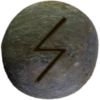
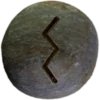
Two Elder Futhark runes often associated with the qualities embodied by Helgi Hundingsbane are Tiwaz (ᛏ) and Sowilō (ᛊ or ᛋ). Tiwaz (ᛏ) is commonly pronounced TEE wahz. This rune carries associations with honor, courage, justice, disciplined leadership, and commitment to duty. Those themes align closely with Helgi’s role as a respected warrior and leader whose reputation rested upon brave action and steadfast resolve during conflict.
Sowilō (ᛊ or ᛋ) is commonly pronounced SOH wee loh. This rune connects with success, vitality, achievement, guidance, and victorious outcomes. Helgi’s triumph over King Hunding and his rise to heroic fame reflect many symbolic qualities traditionally linked with Sowilō (ᛊ or ᛋ). The rune also represents forward momentum and the pursuit of noble goals, characteristics that appear repeatedly throughout Helgi’s legendary career.
Together, Tiwaz (ᛏ) and Sowilō (ᛊ or ᛋ) symbolize disciplined courage joined with successful achievement. These concepts mirror many of the heroic qualities that made Helgi Hundingsbane one of the most admired figures within Norse legendary tradition.
Importance of Helgi Hundingsbane to Asatruar
Many Asatruar regard Helgi Hundingsbane as an inspiring example of heroic conduct and personal honor. Although he is not a god, his story illustrates virtues that many practitioners admire, including courage, loyalty, perseverance, and dedication to one’s commitments. His willingness to confront danger and accept responsibility for his actions provides a powerful model of character.
His relationship with Sigrún also resonates with Asatruar who value devotion, fidelity, and the strength of meaningful bonds. Their story demonstrates how love, honor, and sacrifice can influence important decisions throughout life. Readers often view their relationship as an example of commitment maintained despite hardship and opposition.
Helgi’s enduring reputation further highlights the importance of legacy within many interpretations of Norse tradition. His deeds continued to inspire remembrance long after his death, emphasizing the belief that honorable actions create a lasting impact. For many Asatruar, Helgi Hundingsbane represents the pursuit of excellence, courage in adversity, and the desire to leave behind a respected and honorable memory.