Last Updated on May 17, 2026
Table of Contents

Origins and Legacy of the Viking Brotherhood
The Viking Brotherhood describes an early revivalist movement that explored ancient Norse spirituality, cultural identity, and pre Christian religious customs long before modern Asatru became widely recognized. Asatru is pronounced “OWS ah troo,” while the accented letter “Á” sounds similar to the “ow” sound in “cow.” Several groups connected with this movement studied Icelandic Sagas, heroic poetry, and Germanic folklore while encouraging people to reconnect with ancestral traditions through ritual and Community gatherings.
Historians often describe the Viking Brotherhood as an ideological bridge between nineteenth century romantic nationalism and the organized Asatru communities that formed during the twentieth century. Members admired Viking age ethics that emphasized loyalty, courage, hospitality, and personal responsibility within tightly connected social circles. Writers associated with these early brotherhoods also promoted the preservation of Old Norse literature because they believed those texts contained spiritual wisdom that modern society had neglected.
Common alternative spellings and related names include Norse Brotherhood, Odinist Fellowship, and Germanic Heathen circles, although each term sometimes carried slightly different meanings depending on the region or historical period involved. The word Odinist refers to followers devoted to Odin, pronounced “OH din,” who served as a central deity within Norse mythology and religious practice. Scholars usually separate these early revival movements from extremist political organizations because many historical groups focused primarily on spirituality, historical study, and cultural continuity.
Pronunciation and Cultural Development
The phrase Viking Brotherhood combines modern English wording with concepts rooted in Old Norse belief systems that flourished across Scandinavia during the Viking Age. Scandinavia refers to Denmark, Norway, and Sweden, where many surviving myths about Thor, Freyja, Týr, and Odin first appeared in written sources during the medieval period. Pronouncing Norse names correctly often helps readers appreciate the linguistic traditions connected with those myths and ceremonial practices.
The goddess Freyja is pronounced “FRAY yah,” while Týr sounds like “TEER,” and Thor retains a pronunciation close to “THOR” with a strong rolling consonant sound in some Nordic dialects. Several early members of the Viking Brotherhood learned Icelandic texts to understand ancient terminology without relying completely on modern translations. Icelandic includes séríslenskur letters, meaning uniquely Icelandic letters, such as Þ and Ð, pronounced “thorn” and “eth,” which represent distinct “th” sounds within the language.
People interested in the Viking Brotherhood often explored ceremonial blóts, pronounced “bloats,” which referred to communal offerings or sacred gatherings honoring Norse deities and ancestral spirits. Participants believed these rituals strengthened social bonds while encouraging moral accountability among members of the community. Oral storytelling, poetry recitations, and seasonal feasts also played important roles because they helped preserve shared cultural memory across generations.
Connection to Modern Asatru Traditions
Modern Asatru organizations inherited many ideas first examined by the Viking Brotherhood, especially the desire to revive spiritual practices rooted in pre Christian Northern Europe. Practitioners called Asatruar, pronounced “AH sah troo ar,” frequently emphasize reciprocity, honor, and respect for nature within their religious worldview. Many communities celebrate seasonal observances connected with agricultural cycles, solstices, and historical festivals mentioned within medieval Icelandic literature.
The Viking Brotherhood also encouraged people to approach mythology as a living cultural tradition rather than a collection of distant legends preserved only for academic study. Early revivalists translated poems from the Poetic Edda and the Prose Edda so broader audiences could access narratives about creation, fate, sacrifice, and cosmic order. The term Edda is pronounced “ED ah,” and those texts remain central sources for understanding Norse cosmology and spiritual philosophy.
Contemporary practitioners often acknowledge the contributions of these early brotherhood movements because they preserved valuable knowledge during periods when interest in Germanic pagan traditions remained limited. Their efforts inspired organized fellowships, educational programs, and ceremonial frameworks that later shaped modern Asatru communities across Europe and North America. Although beliefs vary among groups, the Viking Brotherhood continues to symbolize the transition from historical curiosity into an actively practiced spiritual path.
Elder Futhark Runes Connected with the Viking Brotherhood
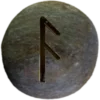
The Elder Futhark represents the oldest known runic alphabet associated with Germanic peoples, and several practitioners connected specific runes with values promoted by the Viking Brotherhood. The rune Ansuz (ᚨ), pronounced “AHN sooz,” traditionally symbolized wisdom, communication, and divine inspiration connected with Odin. Early spiritual revivalists valued Ansuz (ᚨ) because they believed spoken oaths, poetry, and sacred teachings carried transformative power within communal gatherings.
The rune Tiwaz (ᛏ), pronounced “TEE wahz,” carried associations with honor, justice, and disciplined courage through its connection with the god Týr. Members interested in the Viking Brotherhood often viewed Tiwaz (ᛏ) as a reminder that personal integrity strengthened both individuals and communities during difficult periods. Modern Asatruar still reference these runes during meditation, ceremonial rites, and historical studies because the symbols continue to express enduring ideals within Norse spiritual traditions.
Importance of the Viking Brotherhood for Asatruar
The Viking Brotherhood remains important to many Asatruar because it preserved interest in Norse spirituality during an era when few people openly practiced reconstructed pagan traditions. Early revival groups collected folklore, translated medieval writings, and encouraged cultural education that later communities used to develop modern rituals and theological frameworks. Their work created a foundation that allowed organized Asatru fellowships to emerge with stronger historical awareness and clearer spiritual direction.
Many Asatruar respect the Viking Brotherhood because those movements emphasized community responsibility, ancestral memory, and ethical conduct rooted in historical traditions rather than rigid dogma. Practitioners often view the brotherhood concept as a symbol of fellowship and mutual support among people seeking meaningful spiritual connection. The movement also encouraged deeper study of language, mythology, and ritual practice, which continues shaping modern Asatru identity across many different communities.