Last Updated on April 25, 2026
Table of Contents
Þrima and the Resonance of Battle in Norse Myth
Þrima, sometimes written as Thrima or Thríma in modern transliterations, stands among the lesser known Valkyries whose names still carry strong symbolic meaning tied to warfare and sound. The initial letter Þ represents the thorn character, pronounced like the unvoiced th in “thin,” making the name sound like THRI-ma with a rolling emphasis on the first syllable. This phonetic quality adds a sharp and striking tone that aligns with her association with the roar and intensity of battle.
Her name likely connects to the Old Norse root þrima, which suggests noise, thunder, or a resounding clash, evoking the overwhelming soundscape of combat. This connection places Þrima within the sensory experience of war rather than focusing only on its physical outcomes or heroic narratives. Through this interpretation, she represents the overwhelming surge of sound that accompanies violence and shapes the emotional atmosphere of the battlefield.
Unlike more prominent figures, Þrima does not appear in extended narratives that describe her actions in detail, yet her inclusion in valkyrie lists indicates recognized importance within the mythological tradition. These lists preserve names that carried meaning for audiences who understood their symbolic associations without requiring elaborate storytelling. Þrima’s presence suggests that sound and intensity played a vital role in how Norse culture conceptualized warfare and divine influence.
Role Within Valkyrie Traditions
Þrima belongs to the broader group of valkyries who serve as choosers of the slain, observing battles and determining which warriors earn passage into Odin’s hall. Her specific identity emphasizes the auditory dimension of this role, where the clash of weapons and cries of warriors define the moment of decision. This perspective highlights how sensory experience intertwines with fate, making her a figure who embodies the overwhelming force of conflict.
Her name may have functioned as a poetic device, allowing Skalds to invoke the sound of battle through a single reference that carried vivid imagery. Such usage would enable audiences to imagine the chaos and intensity of combat without lengthy descriptions, relying instead on shared cultural understanding. Þrima thus operates as both a mythological figure and a linguistic symbol that enriches storytelling traditions.
Although no surviving saga provides a detailed narrative about her actions, her inclusion alongside other valkyries reinforces her role as part of a collective force that shapes destiny. Each name contributes a unique aspect to the overall concept of these battle maidens, and Þrima adds the dimension of sound and emotional impact. This collective identity ensures that even less detailed figures maintain significance within the mythological framework.
Symbolism and Interpretive Meaning
Þrima symbolizes the overwhelming presence of battle noise, which can disorient, inspire, and transform those who experience it. Her identity reflects the idea that conflict extends beyond physical action, encompassing the psychological and sensory elements that define human perception of war. This interpretation allows her to represent the moment when sound becomes a force that shapes behavior and decision making.
Her association with thunderous resonance also connects her to natural forces that mirror the chaos of human conflict, reinforcing the link between environment and experience. Storms, echoes, and reverberations all contribute to the imagery surrounding her name, creating a layered understanding of her symbolic role. Þrima embodies both the literal and metaphorical roar that accompanies moments of intense struggle.
Modern interpretations often emphasize her as a figure who channels the energy of battle through sound, presenting her as both a herald and a participant in the unfolding of events. Artists and writers may depict her surrounded by waves of motion and noise, capturing the immersive nature of her influence. Þrima endures as a reminder that warfare engages every sense and leaves a lasting impression on those who encounter it.
Runic Associations with Þrima
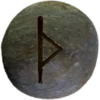
The rune Thurisaz (ᚦ) aligns closely with Þrima due to its connection with raw force, conflict, and the chaotic energy that emerges during moments of intense confrontation. This rune reflects the sudden surge of power that disrupts order and introduces unpredictability into any situation. Þrima resonates with Thurisaz (ᚦ) through her association with the overwhelming roar of battle, which embodies that same disruptive and forceful presence.
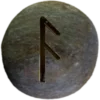
Another rune that complements her nature is Ansuz (ᚨ), which represents sound, communication, and the transmission of energy through voice and resonance. This rune highlights the importance of spoken word and auditory experience, both of which relate strongly to Þrima’s symbolic identity. Ansuz (ᚨ) reinforces her connection to the echoing cries and clashes that define the battlefield, emphasizing how sound influences perception and meaning.
Þrima and Her Meaning to Asatruar
Þrima holds significance for Asatruar because she represents the sensory intensity of life’s struggles and the importance of confronting overwhelming experiences with awareness. Her association with sound encourages individuals to recognize how perception shapes understanding, especially during moments of conflict or challenge. Through her example, followers may reflect on how external forces influence internal responses.
Her symbolic role also supports the idea that strength involves engaging fully with experience rather than avoiding its intensity or complexity. This perspective aligns with a worldview that values resilience and conscious participation in the cycles of life. Þrima’s presence reminds practitioners that even chaotic moments carry meaning and contribute to personal growth.
Many view her as a figure who embodies the power of expression, where sound becomes a channel for both transformation and clarity. Her enduring image bridges ancient mythological themes with modern spiritual reflection, offering insight into how individuals can navigate powerful experiences with intention. Þrima is a compelling and meaningful presence within contemporary practice.