Last Updated on April 15, 2026
Table of Contents

Einherjar as the Chosen Warriors of Valhalla
The term Einherjar, sometimes written as Einheriar or Einherjarar in expanded forms, carries a strong and deliberate pronunciation spoken as “ine-hair-yar.” The first element sounds like “ine” as in “fine,” while the second part flows with a soft rolling r that reflects Old Norse speech patterns. This name conveys the idea of singular warriors who stand apart, emphasizing both individuality and collective purpose within a structured setting.
Einherjar refers to warriors who have fallen in battle and received selection for continued existence within a great hall where they prepare for future conflict. These individuals do not remain inactive, since they train, fight, and refine their abilities each day, reinforcing a cycle of preparation and renewal. Their presence highlights the importance of skill, endurance, and readiness, which define their role within this ongoing environment.
Their daily routine includes combat that tests strength and strategy, followed by restoration that returns them to full capability without lasting harm. This cycle allows them to improve continuously while maintaining the energy required for sustained effort. Such a structure reflects a system where growth emerges through repeated challenge and recovery rather than static existence.
Life within Valhalla
Einherjar reside in Valhalla, a hall known for its vast scale and its function as a gathering place for warriors who continue to develop their abilities beyond mortal life. Their activities include organized combat exercises that sharpen reflexes, coordination, and tactical awareness through constant engagement. This environment fosters discipline and cooperation, ensuring that each participant contributes to the overall strength of the group.
Descriptions within the Poetic Edda and the Prose Edda provide direct references to the Einherjar, outlining their daily routines and their role within this structured setting. These texts describe how they fight during the day and share meals in the evening, creating a balance between effort and restoration. This pattern reinforces the idea that preparation involves both physical exertion and communal interaction.
The hall itself supports this cycle by offering resources that sustain the warriors, including food and drink that renew strength without depletion. This arrangement ensures that the Einherjar remain capable of continuous training while maintaining a sense of unity. Their shared experience builds cohesion, which strengthens their collective readiness for future challenges.
Symbolism and Cultural Meaning
Einherjar represent dedication to improvement, showing how repeated effort leads to increased capability and confidence within a structured environment. Their ongoing training reflects a commitment to growth that does not rely on external reward, since the process itself provides purpose and direction. This perspective emphasizes the value of persistence and the importance of maintaining focus over time.
Their existence also highlights the role of selection, where only certain individuals receive the opportunity to continue their development in this specific context. This aspect reinforces the idea that actions carry consequences, and that recognition follows demonstrated ability and commitment. The Einherjar embody the result of such recognition, serving as examples of what sustained effort can achieve.
Modern interpretations draw on the image of the Einherjar to explore themes of discipline, resilience, and collective strength within organized systems. Their story offers a framework for understanding how individuals contribute to a larger goal while maintaining their own identity. This balance ensures that their significance remains relevant across different contexts and discussions.
Runes Reflecting the Nature of Einherjar
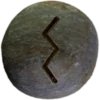
The rune Ehwaz (ᛖ), pronounced “eh-wahz,” aligns with the Einherjar through its association with movement, partnership, and coordinated effort between individuals working toward a shared objective. Ehwaz (ᛖ) represents cooperation and trust, which reflect the structured training and mutual reliance that define the daily lives of these warriors. This rune emphasizes harmony within action, reinforcing the importance of unity in achieving collective strength.
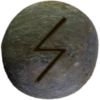
The rune Sowilō (ᛊ or ᛋ), pronounced “so-wee-lo,” connects with the Einherjar through its link to vitality, energy, and the sustaining force that enables continuous activity and renewal. Sowilō (ᛊ or ᛋ) represents the drive that fuels effort and the clarity that comes from focused purpose, aligning with the disciplined routines of these warriors. This rune highlights the presence of enduring strength, which supports their ongoing preparation.
Importance of Einherjar to Asatruar
For individuals who identify as Asatruar, the Einherjar represent dedication, discipline, and the value of consistent effort in developing personal strength and capability. Their example encourages a focus on growth through repeated practice, emphasizing that improvement requires both commitment and resilience. This perspective supports a proactive approach to challenges within daily life.
The Einherjar also embody the importance of Community, showing how shared goals and cooperative effort contribute to collective success and stability. Their structured environment highlights the role of organization and mutual support in achieving long term objectives. This understanding provides a framework for balancing individual development with group responsibility.