Last Updated on April 25, 2026
Table of Contents
Eir as a Figure of Healing and Skilled Care
The name Eir, sometimes written as Eira or Eyra in later adaptations, carries a concise and clear pronunciation spoken as “air,” similar to the English word for atmosphere. This simplicity in sound contrasts with the depth of meaning associated with the name, which connects directly to healing, aid, and careful attention to physical well being. The absence of complex diacritical marks makes the name accessible, yet its cultural weight remains strong across sources.
Eir stands as a figure associated with healing knowledge, practical skill, and the ability to restore balance within the body through deliberate action. She does not act through vague influence, since descriptions emphasize her expertise and her role as one who applies knowledge with precision and care. This focus on skill places her among figures who represent mastery rather than abstract power, giving her a grounded and purposeful identity.
Accounts often connect Eir with groups that serve higher powers, where she performs her work alongside others who contribute to order and continuity. Her presence highlights the importance of healing within a system that includes conflict, hardship, and recovery, ensuring that restoration follows injury. This balance reinforces the idea that care and repair hold equal importance alongside strength and endurance.
References and Literary Mentions
Eir appears within the Poetic Edda, where she is named among figures associated with divine or elevated roles, reinforcing her recognized position within traditional sources. Her inclusion in these texts provides a direct link to established material, ensuring that her identity remains grounded in documented tradition. Although the references remain brief, they carry enough clarity to define her as a healer of notable ability.
She also appears in the Prose Edda, compiled by Snorri Sturluson, whose name is pronounced “snor-ree stur-loo-son,” where she receives mention as a figure connected to healing practices. These references do not present extended narratives, yet they confirm her association with care, recovery, and specialized knowledge. This consistency across sources strengthens her role as a recognized and respected figure.
The limited detail surrounding Eir encourages interpretation, allowing her identity to remain focused on function rather than elaborate storylines. This approach keeps attention on her skills and contributions, rather than shifting focus toward complex personal narratives. As a result, she remains a clear symbol of healing within the broader tradition.
Symbolism and Cultural Understanding
Eir represents the application of knowledge to restore health, emphasizing deliberate action, patience, and attention to detail within the healing process. Her role highlights the importance of understanding both the body and the conditions that affect it, reinforcing the value of observation and informed decision making. This perspective aligns with a broader appreciation for skill and responsibility within specialized roles.
Her association with healing also connects to ideas of balance, where recovery follows disruption and stability returns through effort and care. This process requires time and commitment, reflecting a view that meaningful restoration does not occur instantly but develops through consistent action. Eir embodies this approach, serving as a reminder that healing involves both knowledge and dedication.
Modern interpretations continue to draw on Eir as a symbol of care, resilience, and the importance of maintaining well being through practical means. Her presence offers a framework for understanding how individuals contribute to the health of themselves and others through skillful action. This enduring relevance ensures that her identity remains active within contemporary discussions.
Runes Reflecting the Nature of Eir
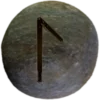
The rune Laguz (ᛚ), pronounced “lah-gooz,” aligns with Eir through its connection to water, flow, and the processes that support life and renewal. Laguz (ᛚ) represents movement within the body and the natural systems that maintain balance, which reflects the healing work associated with Eir. This rune emphasizes adaptability and awareness, encouraging a responsive approach to changing conditions and the needs of those receiving care.
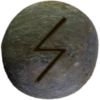
The rune Sowilō (ᛊ or ᛋ), pronounced “so-wee-lo,” connects with Eir through its association with vitality, energy, and the restoration of strength. Sowilō (ᛊ or ᛋ) represents the force that brings clarity and renewed power, aligning with the outcome of effective healing practices. This rune highlights the return of function and the reestablishment of balance, reinforcing the idea that recovery involves both physical and energetic renewal.
Importance of Eir to Asatruar
For individuals who identify as Asatruar, Eir holds importance as a symbol of healing, responsibility, and the value of applying knowledge to support well being. Her role encourages a focus on practical care, emphasizing that health requires attention, effort, and informed action. This perspective supports a balanced approach to both personal and communal life.
Eir also represents the importance of maintaining stability through consistent effort, reminding practitioners that recovery and preservation require ongoing commitment. Her presence offers a model for integrating care into daily practice, reinforcing the idea that strength includes the ability to restore and sustain health. This understanding connects her role to broader values of responsibility and awareness.