Last Updated on April 15, 2026
Table of Contents

Nafnaþulur as Catalogs of Names and Memory
The term Nafnaþulur, also written as Nafnathulur or Nafnaþulir, carries a distinctive pronunciation shaped by Old Norse sounds, spoken as “nahv-nah-thoo-lur.” The letter þ, called thorn and pronounced like the “th” in “thin,” gives the word a soft but clear consonant that defines its rhythm. These variations in spelling reflect differences in transcription, while each version preserves the meaning tied to lists of names and poetic reference material.
Nafnaþulur appears as a structured collection of names that poets and storytellers use to expand their vocabulary and strengthen their descriptive ability. These lists include names for gods, giants, animals, weapons, and natural elements, offering a wide range of alternatives for creative expression. This approach allows speakers and writers to avoid repetition while enriching their language with layers of meaning and cultural association.
The material functions as a resource rather than a narrative, yet it carries significant importance for understanding how language operates within traditional poetic systems. Each name connects to a broader context, encouraging users to recognize relationships between words and the concepts they represent. This interconnected structure gives Nafnaþulur a role that supports both creativity and continuity across generations.
Structure and Linguistic Function
Nafnaþulur organizes its content into thematic groupings, which makes it easier for poets to locate relevant terms when constructing verses or reciting established compositions. These groupings include categories such as names for rulers, terms for battle equipment, and descriptions of natural forces, all arranged with deliberate attention to usability. This organization reflects a practical understanding of how language supports performance and memory.
Each entry within Nafnaþulur contributes to a larger system of poetic variation, where multiple terms can represent the same idea while carrying different nuances. This flexibility allows poets to adapt their language to fit rhythm, alliteration, and thematic emphasis without losing clarity. As a result, the lists serve as tools that enhance both precision and artistic expression within a structured framework.
The repetition of patterns within these lists also aids memorization, which remains essential for oral transmission and performance. By presenting names in a consistent format, Nafnaþulur supports the development of recall skills that enable poets to access a wide range of vocabulary when needed. This feature ensures that the material remains practical as well as informative.
Presence within the Prose Edda
Nafnaþulur appears in manuscripts associated with the Prose Edda, a work compiled by Snorri Sturluson, whose name is pronounced “snor-ree stur-loo-son.” Within this context, the lists complement sections that explain poetic technique, providing concrete examples of the vocabulary discussed elsewhere. This integration highlights the connection between theory and practice, reinforcing the value of having accessible reference material.
Although Nafnaþulur does not present a continuous story, it still connects to the broader narrative tradition by preserving names that appear in other texts and accounts. These names carry associations that enrich understanding, even when they appear outside their original narrative context. This relationship allows the lists to function as both a standalone resource and a bridge to other material.
The inclusion of Nafnaþulur within this body of work ensures that it remains part of a larger effort to document and transmit knowledge about language and storytelling. Its presence supports the continued use of traditional forms while allowing for adaptation and reinterpretation. This enduring relevance demonstrates the strength of its design and purpose.
Runes Reflecting the Nature of Nafnaþulur
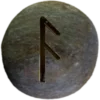
The rune Ehwaz (ᛖ), pronounced “eh-wahz,” aligns with Nafnaþulur through its association with movement, cooperation, and the relationship between connected elements. Ehwaz (ᛖ) represents the idea that progress occurs through interaction, which mirrors how lists of names link concepts together within a broader system. This rune emphasizes harmony and coordination, reflecting the structured yet flexible nature of these collections.
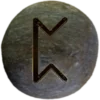
The rune Perthro (ᛈ), pronounced “perth-ro,” connects with Nafnaþulur through its link to mystery, hidden knowledge, and the unfolding of deeper meaning. Perthro (ᛈ) represents the process of discovery, where information reveals itself through careful attention and engagement. This quality matches the experience of working with Nafnaþulur, where each name carries layers of association that become clearer through study and use.
Importance of Nafnaþulur to Asatruar
For individuals who identify as Asatruar, Nafnaþulur offers a meaningful connection to language, memory, and the preservation of traditional knowledge through structured lists. These collections encourage active engagement with names and their meanings, supporting a deeper understanding of cultural expression. This approach allows practitioners to explore language as a living system rather than a static record.
Nafnaþulur also provides a practical tool for expanding vocabulary and strengthening communication, which aligns with the importance of clear expression within communal and personal contexts. Its structure supports both learning and creativity, allowing individuals to adapt traditional forms to present needs. This balance ensures that the material remains relevant and accessible across different settings.