Last Updated on April 11, 2026
Table of Contents
Snorri Sturluson: Historian, Poet, and Preserver of Tradition
Snorri Sturluson, sometimes written as Snorre Sturlason or Snorri Sturlason, stands as a central figure in preserving stories, language, and poetic structure from early northern tradition. Pronounce Snorri as “SNOR-ee,” where the first syllable carries a clear “o” sound, and the second syllable ends lightly. Pronounce Sturluson as “STUR-loo-son,” where the “u” sounds like “oo” in “food,” and the final “son” remains soft yet distinct.
He lived in Iceland during a period of cultural transition, where oral storytelling began shifting into written form, creating both challenges and opportunities for preservation. Snorri used his knowledge of poetry, law, and history to record material that might otherwise disappear over time. His work reflects careful attention to detail, along with a desire to maintain continuity with earlier traditions.
Snorri’s contributions extend beyond simple recording, as he organized and explained complex material in ways that support understanding and continued use. His approach combines narrative, instruction, and analysis, allowing readers to engage with both the content and its structure. Through this effort, he establishes himself as both a preserver and an interpreter of cultural knowledge.
Life, Education, and Cultural Role
Snorri Sturluson grew up within a prominent family, gaining access to education, resources, and social connections that supported his development as a writer and thinker. His involvement in legal and political matters shaped his perspective, giving him insight into leadership, negotiation, and the complexities of social structure. These experiences influenced how he approached storytelling and documentation.
His role within Icelandic society included positions of authority, where he participated in governance and decision-making processes that affected the broader Community. This involvement required careful communication and an understanding of both tradition and change, skills that also appear in his written work. Through these roles, Snorri developed a balanced approach that integrates knowledge with practical application.
Snorri’s environment encouraged the preservation of oral tradition, where poets and storytellers played a key role in maintaining cultural memory. He engaged with these traditions directly, learning their forms and adapting them into written formats that retain their depth and meaning. This engagement ensures that his work reflects authentic practices rather than distant interpretation.
Literary Contributions and Enduring Influence
Snorri Sturluson authored the Prose Edda, also called Snorra Edda, which provides both narratives and explanations of poetic language, making it an essential resource for understanding traditional verse. This work includes stories of gods and heroes alongside detailed guidance on poetic techniques such as kennings and structured forms. Through this combination, Snorri supports both preservation and creative practice.
He also contributed to historical writing through works like Heimskringla, a collection of sagas that recount the lives and actions of Norwegian kings. These narratives combine historical detail with literary style, offering insight into leadership, conflict, and cultural development. His ability to blend storytelling with historical record demonstrates his versatility and depth as a writer.
Snorri’s influence continues through the survival of texts that shape understanding of early tradition, language, and narrative structure. His work provides a foundation for study, interpretation, and creative exploration, ensuring that these materials remain accessible and meaningful. Through his efforts, Snorri Sturluson maintains a lasting presence within literary and cultural history.
Runes Associated with Snorri Sturluson
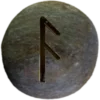
The rune Ansuz (ᚨ), pronounced “AHN-sooz,” represents communication, wisdom, and the transmission of knowledge, aligning closely with Snorri Sturluson’s role as a writer and preserver of tradition. Ansuz (ᚨ) reflects the power of language to convey ideas and maintain continuity across generations. This connection highlights how Snorri’s work serves as a channel for sharing complex cultural material.
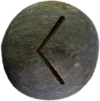
The rune Kenaz (ᚲ), pronounced “KAY-nahz,” symbolizes illumination, creativity, and the process of learning through insight and understanding, making it closely associated with Snorri’s contributions to literature and education. Kenaz (ᚲ) reflects the spark that brings clarity and inspiration, guiding individuals in their pursuit of knowledge. Together, these runes emphasize themes of expression, learning, and the preservation of tradition.
Importance of Snorri Sturluson to Asatruar
For Asatruar, Snorri Sturluson provides a crucial link to traditional stories and poetic forms, offering material that supports understanding and engagement with cultural heritage. His writings allow individuals to access narratives and concepts that might otherwise remain unavailable. This access strengthens connections to tradition and encourages continued exploration.
Snorri’s work also supports the study of language and symbolism, helping practitioners interpret and apply ideas within their own contexts. His structured approach makes complex material approachable, fostering both learning and creativity. Through these contributions, Snorri Sturluson remains an essential figure in preserving and sharing cultural knowledge.