Last Updated on April 15, 2026
Table of Contents
The Vision and Voice of Völuspá
Völuspá, also written as Voluspa or Vǫluspá, carries a name pronounced “vur-loo-spaw,” where the ö sounds like the vowel in “bird,” and the á extends into a long “aw” sound. The word combines Völva, meaning a seeress, with Spá, meaning prophecy, which together form a title that translates as the prophecy of the seeress. The diacritical letters ö and á shape the rhythm of the word, giving it a layered sound that reflects its role as a spoken and remembered work.
Völuspá stands as one of the most significant poems within early northern tradition, presenting a sweeping narrative that begins with creation and continues through destruction and renewal. The poem unfolds as a speech delivered by a seeress who addresses Odin, recounting events that define the structure and fate of the world. This format creates a sense of immediacy, since the voice speaks directly, guiding the listener through a sequence of vivid and powerful images.
The content of Völuspá moves through multiple stages, describing the formation of the world, the rise of powerful beings, and the conflicts that shape their interactions. The seeress does not simply list events, because she presents them with emotional weight and symbolic depth that invite reflection and interpretation. Through this approach, the poem captures both the scale of the narrative and the intensity of the forces involved.
The Structure and Themes of Völuspá
Völuspá follows a clear progression that begins with the origins of existence, where the seeress describes the formation of land, sky, and living beings in a sequence that establishes order. This opening creates a foundation that allows later events to unfold with context and meaning, linking creation to the developments that follow. The structure ensures that each stage connects to the next, forming a continuous narrative that maintains coherence and momentum.
The poem then shifts toward conflict, highlighting tensions among powerful figures and the consequences that arise from their actions and decisions. These moments emphasize the fragility of order, showing how quickly stability can give way to chaos when competing forces collide. The seeress presents these events with clarity, ensuring that the listener understands both the causes and the outcomes that define this phase.
The final sections of Völuspá describe a period of destruction followed by renewal, where the world undergoes transformation that clears the way for a new beginning. This conclusion reinforces the idea that endings lead into beginnings, creating a cycle that continues beyond any single moment. The poem therefore offers a vision that encompasses both loss and continuation, providing a perspective that extends beyond immediate experience.
Presence in Early Northern Texts
Völuspá appears in the Poetic Edda, where it serves as one of the foundational poems that introduce key narratives and themes found throughout the collection. The poem’s placement at the beginning of the compilation reflects its importance, since it provides context for many of the figures and events that appear in later works. Its inclusion ensures that readers encounter a broad overview before engaging with more focused stories.
The Prose Edda also references Völuspá, drawing upon its descriptions to support explanations of events and figures within its own structure. This connection demonstrates how the poem functions as a source that informs other texts, reinforcing its authority and influence. The continued use of Völuspá within these works highlights its role as a central element within the tradition.
Völuspá maintains a strong presence as a narrative that shapes understanding of the broader body of stories and ideas. Its vivid imagery and structured progression ensure that it remains both memorable and meaningful. The poem continues to guide interpretation and discussion, preserving its relevance across time.
Runes Associated with Völuspá
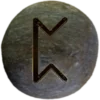
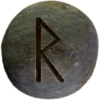
The rune Perthro (ᛈ), pronounced “perth-ro,” aligns with Völuspá through its association with hidden knowledge, unfolding events, and the revelation of patterns that become clear over time. This rune reflects the role of the seeress, who reveals information that remains concealed until the moment of speaking. Another rune, Raido (ᚱ), pronounced “rye-tho,” connects with the poem through its emphasis on journeys, movement, and the progression of events along a defined path.
Perthro (ᛈ) emphasizes discovery and the uncovering of truths that lie beneath the surface, mirroring the way Völuspá presents insight into events that shape existence. Raido (ᚱ) highlights the structured movement of the narrative, showing how each stage leads into the next with purpose and direction. Together, these runes reflect the balance between revelation and progression that defines the poem.
The Meaning of Völuspá to Asatruar
Völuspá holds importance for Asatruar because it provides a comprehensive narrative that outlines key events and themes within their tradition, offering a framework for understanding the world and its cycles. The poem presents a vision that includes creation, conflict, and renewal, encouraging reflection on how these elements interact within both the natural world and human experience. People who follow these traditions often engage with Völuspá as a source of insight and guidance.
The poem also emphasizes the value of knowledge and awareness, since the seeress’s voice demonstrates how understanding can illuminate complex situations and reveal underlying patterns. Völuspá encourages individuals to consider the broader context of their actions, recognizing how each choice contributes to larger outcomes. The poem continues to influence how people approach meaning, change, and continuity within their lives.