Last Updated on April 15, 2026
Table of Contents
The Power and Curse of Andvaranaut
Andvaranaut, also written as Andvaranautr or AndvaranautR in some transliterations, carries a name pronounced “ahn-dvah-rah-nowt,” where the final syllable rhymes with “out” and the vowels flow in a steady sequence. The name contains Old Norse elements that combine Andvari with naut, meaning a prized possession or valuable item, which reinforces its identity as a treasured object. When spoken aloud, the word maintains a rhythmic cadence that reflects both elegance and weight, matching the significance attached to the ring within early northern tradition.
Andvaranaut stands as one of the most influential objects in these stories, since it carries a curse that shapes the fate of those who possess it. The ring does not simply represent wealth, because it embodies the consequences tied to greed, ambition, and the desire to control valuable resources. Its presence introduces tension into every situation it enters, creating a cycle where ownership leads to conflict rather than security.
The origin of Andvaranaut lies with the dwarf Andvari, who places a powerful curse upon the ring after losing his treasure under coercion. This act transforms the ring into more than a symbol of wealth, since it becomes an active force that influences behavior and outcomes. Through this transformation, Andvaranaut gains a lasting role in shaping events, ensuring that its influence extends far beyond its initial creation.
The Role and Influence of Andvaranaut
Andvaranaut moves through a series of hands, and each transfer brings new consequences that reinforce the curse placed upon it. When Hreidmar receives the ring as part of a ransom payment, he gains wealth but also inherits the destructive influence attached to it. This exchange demonstrates how the ring operates as a conduit for misfortune, passing its effects from one individual to another without losing potency.
The story continues as Fafnir claims the treasure for himself, driven by a desire that intensifies under the ring’s influence, leading him toward isolation and transformation. The ring does not act through direct control, yet it amplifies existing tendencies, encouraging possessiveness and suspicion that shape decisions and actions. This subtle yet persistent effect highlights how power can influence behavior without overt force, creating outcomes that appear self-driven while remaining deeply affected by external factors.
Andvaranaut also plays a role in the events surrounding Sigurd, connecting the hero’s journey to the larger chain of consequences that the ring creates. Its presence ensures that even acts of courage and skill remain linked to the earlier curse, tying success to underlying risk. With thise involvement, the ring maintains its status as a central element within the unfolding narrative.
Appearances in Early Northern Texts
Andvaranaut appears in both the Poetic Edda and the Prose Edda, where its origin and curse receive clear attention as part of the broader narrative involving Andvari, Loki, and the treasure. These texts describe the moment when Andvari places the curse on the ring, establishing its role as a source of future conflict and misfortune. The inclusion of Andvaranaut in these works ensures that it functions as a key element within the interconnected stories.
The Völsunga Saga also features Andvaranaut, integrating it into the sequence of events that involve Hreidmar, Fafnir, and Sigurd. The saga highlights how the ring passes between characters, carrying its curse and influencing each new owner in distinct ways. This progression reinforces the idea that the ring operates as a thread linking multiple narratives together.
Andvaranaut maintains a consistent identity as a cursed object that shapes outcomes through its presence rather than through direct action. Its role within these stories emphasizes the lasting impact of decisions tied to wealth and possession. The ring’s continued relevance ensures that it remains a powerful symbol within the tradition.
Runes Associated with Andvaranaut
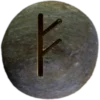
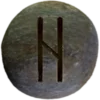
The rune Fehu (ᚠ), pronounced “fay-hoo,” connects closely with Andvaranaut because it represents wealth, material possession, and the responsibilities that accompany ownership. This rune reflects the central role that the ring plays in generating both prosperity and conflict, highlighting the dual nature of valuable resources. Another rune, Hagalaz (ᚺ), pronounced “hah-gah-lahz,” aligns with the ring through its association with disruption and sudden change that alters established conditions.
Fehu (ᚠ) emphasizes the importance of managing wealth carefully, since it can influence behavior and relationships in ways that extend beyond immediate circumstances. Hagalaz (ᚺ) captures the breaking point that occurs when the ring’s curse manifests, disrupting stability and creating new challenges for those involved. Together, these runes mirror the dynamic tension that defines Andvaranaut’s influence.
The Meaning of Andvaranaut to Asatruar
Andvaranaut holds importance for Asatruar because it represents the consequences of placing excessive value on material wealth without considering the broader impact of that focus. The ring illustrates how attachment to possessions can create conflict, influencing decisions and relationships in ways that lead to lasting difficulty. People who follow these traditions often view Andvaranaut as a reminder to approach wealth with awareness and responsibility.
The story of the ring also emphasizes the importance of understanding how actions affect future outcomes, since the curse demonstrates how one decision can shape events across generations. Andvaranaut encourages reflection on the balance between ambition and restraint, urging individuals to consider the long term effects of their choices. Through this perspective, the ring continues to offer insight into the relationship between value, behavior, and consequence.