Last Updated on April 15, 2026
Table of Contents
Jötunheimr: The Realm of Giants and Untamed Forces
Jötunheimr, also spelled Jotunheim, Jotunheimr, or Jötunheim, serves as the domain of the jötnar, powerful beings often described as giants who embody raw natural forces and primal strength. The name Jötunheimr comes from Old Norse, where “jötnar” refers to these beings and “heimr” means home or world, and it is pronounced YOE-tun-hame or YOE-tun-hime. The letter “ö” carries a sound similar to the “i” in “bird,” while “heimr” uses an “ay” sound for “ei” and a softly rolled final “r.”
This realm exists in contrast to more ordered worlds, presenting landscapes that reflect wildness, unpredictability, and immense scale that challenges both gods and travelers. Mountains rise sharply, forests stretch endlessly, and icy wastes dominate large regions, creating an environment that demands resilience and awareness. Jötunheimr represents the untamed side of existence, where natural forces operate without restraint and where survival requires strength, cunning, and adaptability.
Landscape and Inhabitants of Jötunheimr
Its terrain includes towering peaks, deep valleys, frozen rivers, and dense woodlands that feel ancient and untouched by structured civilization or cultivated order. These features reflect the nature of the jötnar themselves, who often display immense size, unpredictable behavior, and a deep connection to elemental forces such as frost, stone, and storm. The environment does not simply house these beings, as it actively expresses their presence and reinforces their influence.
Jötnar such as Þrymr, pronounced THRIMR with the “Þ” sounding like “th” in “thin,” and Skaði, pronounced SKAH-dee, play important roles in shaping interactions between realms and highlighting the complexity of these figures. Some jötnar act with hostility, while others form alliances or relationships with gods, demonstrating that it contains a wide range of personalities and motivations. This diversity shows that the realm cannot be reduced to a single trait, as it includes both danger and opportunity.
Travel between Jötunheimr and other realms often involves crossing boundaries that test both physical endurance and mental resolve, emphasizing the importance of preparation and awareness. Rivers such as the icy Élivágar, pronounced EH-lee-vah-gar, form natural barriers that mark transitions between worlds and challenge those who attempt to pass. These journeys highlight the role of Jötunheimr as a place where limits get tested and where encounters can reshape understanding and strength.
Mentions in Early Texts
It appears frequently in the Prose Edda, especially in Gylfaginning, where various journeys into the realm reveal encounters with powerful jötnar and illustrate the dangers and mysteries that define the land. These accounts include stories of gods traveling to confront or outwit giants, offering insight into the dynamic relationship between opposing forces. The narratives emphasize tension, strategy, and the constant negotiation between order and chaos.
The Poetic Edda also includes references to Jötunheimr through poems that describe interactions with jötnar and the challenges they present to gods and heroes. These texts highlight the significance of the realm as a source of conflict, wisdom, and transformation, where individuals must rely on wit and strength to succeed. Through these mentions, Jötunheimr gains depth as a place that shapes destinies and reveals the limits of power.
Runes Reflecting Jötunheimr
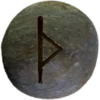
The Elder Futhark rune Thurisaz (ᚦ) connects closely with Jötunheimr, as it represents giants, conflict, and the raw force that breaks through barriers and challenges established order. Pronounced THOO-ree-sahz, with the “th” like in “thorn,” this rune embodies both destructive potential and protective strength when used with awareness. It reflects the energy of confrontation that defines many encounters within Jötunheimr.
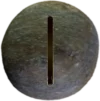
Another rune linked with this realm is Isaz (ᛁ), which symbolizes ice, stillness, and the concentrated power found in frozen landscapes that dominate parts of Jötunheimr. Pronounced EE-sahz, this rune captures the enduring and unyielding qualities of ice, as well as the restraint that comes from immobility and focus. Together, Thurisaz (ᚦ) and Isaz (ᛁ) express the harsh, powerful, and enduring nature of Jötunheimr and its inhabitants.
Jötunheimr and Its Importance to Asatruar
Jötunheimr holds strong importance for Asatruar because it represents the forces that challenge growth and demand strength, awareness, and respect for boundaries that exist within the world. Practitioners often view this realm as a reminder that not all power aligns with comfort or stability, and that engagement with difficult forces can lead to deeper understanding. This perspective encourages individuals to face challenges directly and develop resilience through experience.
The realm also highlights the importance of balance, as it shows that chaos and order must interact for the world to remain dynamic and alive. Asatruar may reflect on Jötunheimr when considering how to approach conflict, uncertainty, and personal limits in a constructive and respectful way. This defines Jötunheimr as a meaningful symbol of testing, growth, and the necessity of confronting what lies beyond comfort.