Last Updated on April 13, 2026
Table of Contents

Sigrblót: The Victory Sacrifice of the Early North
Sigrblót, also spelled Sigrblot or Sigurblót, marks a seasonal ritual dedicated to victory, strength, and favorable outcomes in conflict and competition. The name comes from Old Norse, where “sigr” means victory and “Blót” refers to a sacrificial offering, and it is pronounced SIGR-bloht with a clear “g” sound and a long “o” in blót. The letter “ó” carries a sound similar to “o” in “go,” while “blót” uses a crisp ending consonant that gives the word a firm, deliberate tone.
This ritual takes place during the early part of summer, when communities prepare for journeys, raids, or important undertakings that require both courage and favorable conditions. Participants gather to make offerings, share food and drink, and call upon divine forces to grant success in upcoming challenges. Sigrblót reflects a strong focus on action, preparation, and the desire to align human effort with greater powers that influence outcomes.
Ritual Practices and Seasonal Meaning
During Sigrblót, participants organize communal gatherings where they prepare offerings that may include animals, food, and crafted items intended to honor deities associated with victory and strength. These gatherings create a shared sense of purpose, where individuals reinforce bonds and express commitment to collective goals. The act of offering serves as both a request for success and a demonstration of respect toward the forces that shape events.
The timing of Sigrblót connects closely with the transition into a more active season, when travel becomes easier and opportunities for trade, exploration, or conflict increase. This seasonal shift encourages preparation and focus, as individuals recognize the importance of entering this period with clarity and determination. The ritual helps establish a mindset that values readiness, cooperation, and confidence in facing what lies ahead.
Songs, spoken invocations, and shared stories often accompany the ritual, reinforcing cultural values and reminding participants of past victories and lessons learned through struggle. These elements create continuity between generations, ensuring that knowledge and traditions remain active and relevant. It becomes more than a single event, as it connects past experiences with present intentions and future ambitions.
Mentions in Early Texts
Sigrblót appears in Ynglinga Saga, part of Heimskringla, where it is described as a sacrifice performed by kings and leaders at the beginning of summer to secure victory in battles and important ventures. The saga presents this ritual as an established practice that reflects both leadership responsibilities and communal expectations. These references provide valuable insight into how Sigrblót functioned within a broader cultural framework.
The accounts emphasize the role of ritual in shaping outcomes and reinforcing authority, as leaders who conducted Sigrblót demonstrated their commitment to the well-being and success of their people. The presence of this ritual in historical narratives highlights its importance as a structured and recognized practice. Through these texts, Sigrblót gains clarity as a purposeful and influential event within seasonal cycles.
Runes Connected to Sigrblót
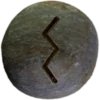
The Elder Futhark rune Tiwaz (ᛏ) aligns strongly with Sigrblót, as it represents honor, victory, and the disciplined pursuit of success through courage and strategic action. Pronounced TEE-wahz, this rune connects with leadership and the willingness to act decisively when facing challenges. Its symbolism reflects the focus on achieving favorable outcomes through effort and alignment with guiding principles.
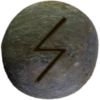
Another rune associated with Sigrblót is Sowilō (ᛊ or ᛋ), which represents the sun, success, and the energy that drives progress and illuminates the path forward. Pronounced SOH-wee-lo, this rune emphasizes clarity, momentum, and the power of directed intention. Together, Tiwaz (ᛏ) and Sowilō (ᛊ or ᛋ) express the themes of victory, purpose, and the active pursuit of goals that define the spirit of Sigrblót.
Sigrblót and Its Importance to Asatruar
Sigrblót holds strong importance for Asatruar because it represents a time to focus intention, prepare for challenges, and seek alignment between personal effort and larger forces that influence success. Practitioners often use this period to set goals, strengthen Community bonds, and engage in rituals that reinforce commitment to growth and achievement. This connection encourages a proactive approach to life that values both preparation and adaptability.
The ritual also provides a framework for understanding victory as something that involves cooperation, respect, and awareness of both strengths and limitations. Asatruar may draw inspiration from Sigrblót when approaching personal challenges, professional goals, or communal responsibilities. Through this perspective, Sigrblót becomes a meaningful and active tradition that supports determination, resilience, and shared purpose.