Last Updated on April 25, 2026
Table of Contents
Dökkálfar: The Hidden Dark Elves of Shadowed Realms
Dökkálfar, also spelled Dokkalfar, Döckálfar, or Dark Elves, represent a group of beings associated with shadow, earth, and concealed spaces that contrast with the brightness of other elven figures. The name Dökkálfar comes from Old Norse, where “dökk” means dark and “Álfar” refers to elves, and it is pronounced DURK-owl-var. The letter “ö” sounds similar to the “i” in “bird,” while “á” carries a sound like “ow” in “cow,” creating a layered and textured pronunciation.
These beings occupy a space that emphasizes depth, secrecy, and transformation through hidden processes rather than visible action. They do not operate in open, radiant environments, as they instead move within underground regions, dense forests, or shadowed areas that conceal their presence. This association with darkness does not imply weakness, as it reflects a different form of awareness and interaction with the world.
Nature and Characteristics of Dökkálfar
Dökkálfar display qualities that align with introspection, subtle influence, and the ability to work within environments that require patience and careful observation. Their connection to shadow allows them to move without drawing attention, shaping outcomes through indirect means that rely on understanding rather than force. This approach highlights a form of power that operates quietly but effectively over time.
Descriptions often place Dökkálfar in relation to subterranean spaces or regions beneath the surface, where they interact with materials such as stone and metal. This association connects them with craftsmanship and the transformation of raw elements into refined forms, linking them to skills that require precision and dedication. Their environment supports this focus by providing both resources and isolation.
Interactions between them and other beings can involve exchange, conflict, or cooperation, depending on the circumstances and intentions involved. These relationships reveal that Dökkálfar possess a range of motivations and behaviors, rather than fitting into a single defined role. This complexity reinforces their identity as beings who operate within layers of meaning and action.
Mentions in Early Texts
Dökkálfar appear in the Prose Edda, particularly in Gylfaginning, where they are described in contrast with ljósálfar, or light elves, highlighting differences in appearance and environment. The text places them in darker regions beneath the earth, emphasizing their connection to shadow and hidden spaces. These references provide a clear distinction between different types of elven beings.
The Poetic Edda does not provide extensive descriptions of Dökkálfar as a separate group, yet it includes references to elves that contribute to a broader understanding of their role and identity. These mentions support the idea that elven beings exist across a spectrum of environments and characteristics. Through these texts, they gain recognition as part of a larger and diverse group.
Runes Connected to Dökkálfar
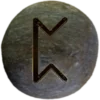
The Elder Futhark rune Perthro (ᛈ) aligns with Dökkálfar, as it represents mystery, hidden knowledge, and the unfolding of events that remain concealed until the right moment. Pronounced PER-throh, with the “th” like in “thin,” this rune reflects the secretive and layered nature of their interactions. Its symbolism connects with processes that develop beneath the surface before becoming visible.
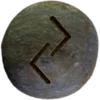
Another rune associated with Dökkálfar is Eihwaz (ᛇ), which represents endurance, transformation, and the strength required to navigate environments that demand patience and resilience. Pronounced EYE-wahz, this rune emphasizes the ability to persist through challenges while maintaining focus on long term outcomes. Together, Perthro (ᛈ) and Eihwaz (ᛇ) express the depth, secrecy, and transformative qualities that define Dökkálfar.
Dökkálfar and Their Importance to Asatruar
Dökkálfar hold importance for Asatruar because they represent the hidden aspects of existence that influence outcomes through subtle and often unseen processes. Practitioners often view these beings as symbols of introspection, transformation, and the ability to work within layers that require patience and understanding. This perspective encourages a deeper awareness of how actions develop over time.
The presence of Dökkálfar also highlights the value of balance, as it shows that light and shadow both contribute to a complete understanding of the world and its forces. Asatruar may reflect on them when exploring personal growth, confronting internal challenges, or engaging with practices that require focus and discretion. They are meaningful symbols of depth, resilience, and hidden strength.