Last Updated on April 25, 2026
Table of Contents
Álfheimr: The Luminous Realm of the Elves
Álfheimr, also spelled Alfheim, Álfheim, or Alfheimr, exists as a radiant realm associated with the ljósálfar, or light elves, who embody beauty, grace, and a refined connection to natural and spiritual forces. The name Álfheimr comes from Old Norse, where “Álfar” refers to elves and “heimr” means home or world, and it is pronounced OWLF-hame or OWLF-hime. The letter “Á” carries a sound like “ow” in “cow,” while “heimr” uses an “ay” sound for “ei” and ends with a softly rolled “r.”
This realm reflects harmony, brightness, and an elevated sense of presence that influences both its inhabitants and those who encounter it through stories and traditions. Álfheimr does not present harsh or oppressive environments, as it instead features open meadows, gentle forests, and a soft radiance that seems to emanate from the land itself. The atmosphere encourages awareness, creativity, and a sense of connection that extends beyond ordinary perception.
Environment and Inhabitants
The ljósálfar who dwell in Álfheimr express qualities of refinement, sensitivity, and an ability to interact with both physical and unseen aspects of existence. Their presence shapes the realm into a place where light, color, and subtle movement create an environment that feels alive and responsive. This connection between inhabitants and surroundings reinforces the idea that it operates through harmony rather than force.
Natural features within Álfheimr include flowing streams, blooming fields, and forests that seem to shift gently in response to unseen rhythms and patterns. These elements do not remain static, as they reflect the dynamic balance maintained by the ljósálfar and their relationship with the world around them. The result creates a landscape that supports both tranquility and creative expression.
Interactions between Álfheimr and other realms often involve inspiration, influence, and the sharing of knowledge related to beauty, craft, and subtle forms of power. These exchanges highlight the importance of perception and awareness, as those who engage with Álfheimr must remain attentive to details that might otherwise go unnoticed. The realm encourages a deeper understanding of how presence and intention shape experience.
Mentions in Early Texts
It appears in the Prose Edda, specifically in Gylfaginning, where it is described as a realm given to Freyr as a tooth gift, establishing a connection between the world of the elves and a deity associated with fertility and prosperity. This reference provides a clear link between Álfheimr and themes of growth, beauty, and abundance. The mention also confirms its place within the structure of the Nine Realms.
The Poetic Edda includes references to elves, though it does not provide extensive descriptions of Álfheimr itself, leaving much of its character to be understood through context and association. These references still contribute to a broader understanding of the ljósálfar and their influence across different narratives. Through these texts, it gains recognition as a realm tied closely to refinement and subtle power.
Runes Connected to Álfheimr
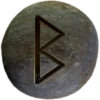
The Elder Futhark rune Berkanan (ᛒ) aligns with Álfheimr, as it represents growth, renewal, and the nurturing forces that support life and creative development. Pronounced BEHR-kah-nan, this rune reflects the gentle yet persistent energy that encourages transformation and flourishing. Its symbolism connects with the vibrant and life-affirming qualities found throughout Álfheimr.
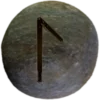
Another rune associated with this realm is Laguz (ᛚ), which represents flow, intuition, and the movement of energy that shapes both physical and emotional landscapes. Pronounced LAH-gooz, this rune emphasizes adaptability and awareness of subtle currents that influence outcomes. Together, Berkanan (ᛒ) and Laguz (ᛚ) express the harmony, growth, and sensitivity that define it and its inhabitants.
Álfheimr and Its Importance to Asatruar
Álfheimr holds importance for Asatruar because it represents harmony, creativity, and the connection between visible and unseen aspects of life that influence daily experience. Practitioners often look to this realm as a source of inspiration for artistic expression, personal growth, and the cultivation of awareness. This connection encourages a balanced approach that values both action and reflection.
The realm also highlights the importance of subtle influence, reminding individuals that not all power appears through direct force or visible change. Asatruar may reflect on Álfheimr when developing intuition, strengthening relationships, or engaging in practices that require sensitivity and presence. Through this perspective, it becomes a meaningful symbol of beauty, growth, and the quiet forces that shape existence.