
Last Updated on April 20, 2026
Table of Contents
Ragnar Lothbrok: Saga, Name, and Lasting Legend
Ragnar Lothbrok stands as one of the most compelling figures in Norse tradition, blending history and myth into a powerful narrative that still captures attention today. His name appears in various sources, including sagas and chronicles, where storytellers shaped his life into an enduring symbol of Viking ambition and courage. Scholars still debate whether a single historical individual inspired these accounts or whether multiple figures merged into the legend known today.
The name Ragnar Lothbrok carries several alternate spellings that reflect linguistic shifts across regions and centuries, including Lodbrok, Lothbroc, and the Old Norse form Loðbrók. The Old Norse spelling Loðbrók includes the letter ð, called eth and pronounced like the th sound in this, while ó carries a long o sound similar to the vowel in more. When spoken aloud, Ragnar sounds like RAG-nar, while Lothbrok sounds like LOTH-brok, with a clear emphasis on the first syllable in each word.
Stories describe Ragnar as a daring warrior and cunning leader who led raids across England and Francia, earning both wealth and fearsome reputation among his enemies. Medieval texts such as the Saga of Ragnar Lothbrok and the Tale of Ragnar’s Sons provide detailed accounts of his exploits, including battles, marriages, and eventual downfall. These narratives emphasize his boldness, strategic thinking, and relentless pursuit of glory, qualities that Norse culture deeply admired.
Legends often connect Ragnar with notable historical events, including raids on Paris and conflicts with Anglo-Saxon kingdoms, although direct evidence remains uncertain. Writers portrayed him as a man favored by the gods, particularly Odin, whose influence guided warriors seeking wisdom and victory. This divine connection strengthens Ragnar’s role not only as a warrior but also as a figure intertwined with fate and destiny.
Family, Fate, and Mythic Legacy
Ragnar’s legacy extends beyond his own deeds through his sons, who appear prominently in both legend and historical records as formidable leaders. Figures such as Bjorn Ironside, Ivar the Boneless, and Sigurd Snake-in-the-Eye continue his story, carrying forward themes of vengeance, conquest, and honor. These descendants reinforce Ragnar’s image as a patriarch whose influence shaped the Viking Age through both bloodline and reputation.
The tale of Ragnar’s death remains one of the most dramatic elements of his story, often involving capture by a Northumbrian king and execution in a pit of snakes. According to legend, Ragnar faced his fate with defiance, declaring that his sons would avenge him, which later sagas confirm through their campaigns. This moment highlights a central Norse belief that courage in the face of death ensures lasting fame and respect.
Myth and reality intertwine throughout Ragnar’s narrative, making it difficult to separate factual events from literary embellishment crafted by later storytellers. Oral traditions played a major role in preserving and shaping his story, allowing each generation to adapt details while maintaining core themes of bravery and ambition. Despite uncertainties, Ragnar remains a powerful cultural figure whose story reflects the values and worldview of Viking society.
Modern interpretations continue to draw inspiration from Ragnar Lothbrok, presenting him in literature, television, and popular culture as a symbol of exploration and resilience. His story resonates because it combines human struggle with larger themes of destiny, honor, and the pursuit of greatness. Through these retellings, Ragnar’s legend continues to evolve while maintaining its roots in ancient Norse tradition.
Runes Linked to Ragnar Lothbrok in Asatru Tradition
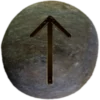
Two Elder Futhark runes often associated with Ragnar Lothbrok within Asatru practice are Tiwaz (ᛏ) and Raido (ᚱ), both reflecting key aspects of his legendary character and spiritual symbolism. Tiwaz (ᛏ) represents the god Týr and embodies honor, justice, and the courage required to sacrifice for a greater cause, qualities strongly connected with Ragnar’s portrayal in sagas. Practitioners view this rune as a symbol of disciplined strength and moral resolve, aligning well with the image of a warrior guided by purpose.
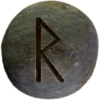
Raido (ᚱ) represents journey, movement, and the rhythm of travel, making it especially relevant to Ragnar’s life as a raider and explorer who crossed seas in search of opportunity. This rune emphasizes both physical voyages and inner transformation, suggesting that every journey carries deeper meaning beyond simple conquest or discovery. Together, these runes form a symbolic pairing that reflects both the outward action and inner discipline associated with Ragnar Lothbrok in Asatru belief.
Ragnar Lothbrok’s Importance to Asatruar
Ragnar Lothbrok holds significant meaning for Asatruar because his story embodies values that modern practitioners seek to understand and apply within their spiritual framework. His actions reflect ideals such as courage, honor, loyalty, and acceptance of fate, all of which play central roles in Asatru worldview and ethical thinking. Followers often look to his story as an example of how to live boldly while maintaining awareness of responsibility and consequence.
Ragnar’s connection to divine forces, particularly Odin, reinforces the belief that human lives intertwine with higher powers and unseen influences shaping destiny. His willingness to face death without fear resonates strongly with Asatruar who emphasize living authentically and meeting life’s challenges with determination. Through ritual, storytelling, and study, practitioners keep his legacy alive as both inspiration and teaching tool within their spiritual path.