Last Updated on April 24, 2026
Table of Contents

The Story and Identity of Sigurd Snake-in-the-Eye
Sigurd Snake-in-the-Eye, also written as Sigurðr or Sigurth Snake-in-the-Eye, appears as a legendary figure within Norse tradition connected to the lineage of Ragnar Loðbrók. The Old Norse name Sigurðr includes the letter ð, pronounced like the “th” in “this,” giving SIG-urth, while the epithet Snake-in-the-Eye describes a distinctive mark within his eye resembling a serpent. This unusual feature contributes to his identity and sets him apart from other figures in the narrative tradition. His name itself carries symbolic weight, linking him to themes of perception and destiny.
Accounts describe Sigurd Snake-in-the-Eye as one of the sons of Ragnar and Aslaug, each of whom possessed notable traits and abilities. Stories often emphasize that his eye contained a pattern resembling a coiled snake, which people interpreted as a sign of inherited greatness or prophecy. This physical detail not only distinguished him visually but also reinforced the mythological tone surrounding his life. Through this characteristic, the narrative connects physical appearance with symbolic meaning.
Sigurd Snake-in-the-Eye appears in tales that describe the exploits of Ragnar’s sons, particularly in accounts of vengeance and conquest following their father’s death. These narratives portray him as a capable leader who participated in campaigns alongside his brothers, contributing to their collective success. His role often balances action with loyalty, showing how he supports shared goals while maintaining his individual identity. This dynamic adds depth to his characterization within the broader story.
The name Snake-in-the-Eye suggests a connection to imagery associated with serpents, which hold complex meanings within Norse mythology. Serpents often symbolize danger, transformation, and hidden knowledge, making the epithet both intriguing and multifaceted. Sigurd’s association with such imagery invites interpretation, as it may reflect qualities such as vigilance or latent power. This symbolic layer enhances the richness of his portrayal.
Presence in Saga Literature
Sigurd Snake-in-the-Eye features prominently in Ragnarssona þáttr, a narrative that recounts the deeds of Ragnar’s sons and their campaigns. The term þáttr includes the letter þ, known as thorn, pronounced like the “th” in “thin,” which highlights the linguistic features of Old Norse. This text presents Sigurd as part of a collective effort to avenge Ragnar’s death, emphasizing cooperation among the brothers. His contributions within this narrative demonstrate both strength and strategic awareness.
The Tale of Ragnar’s Sons provides additional context for Sigurd’s actions, describing how he and his siblings navigate alliances and confront adversaries. These stories highlight the importance of family ties and shared purpose, which drive many of their decisions. Sigurd’s role within these accounts often reflects a balance between individuality and unity, showing how he supports the group while maintaining distinct traits. This portrayal enriches the narrative with varied perspectives.
Some traditions connect Sigurd Snake-in-the-Eye to later rulership in parts of Scandinavia, suggesting that his legacy extended beyond the immediate events of the saga. These accounts blend historical elements with legendary storytelling, creating a layered depiction of his life and influence. Readers encounter a figure who bridges myth and history, contributing to the enduring fascination with his character. This blending of sources adds complexity to his story.
Descriptions within these texts emphasize the symbolic nature of Sigurd’s eye, often interpreting it as a mark of destiny or divine favor. This feature distinguishes him from his brothers and reinforces the idea that physical traits can carry deeper meaning. The narratives use this detail to enhance his presence and underscore his significance within the story. Through these depictions, Sigurd becomes a memorable and distinctive figure.
Symbolism and Lasting Influence
Sigurd Snake-in-the-Eye embodies themes of identity, inheritance, and the relationship between physical traits and symbolic meaning. His distinctive eye serves as a reminder that outward features can reflect inner qualities or larger destinies within mythological narratives. This connection between appearance and significance resonates throughout Norse storytelling, where characters often carry visible signs of their roles. Sigurd’s example reinforces this narrative tradition.
Artistic representations and modern interpretations continue to draw inspiration from his story, depicting him as both a warrior and a figure marked by unique characteristics. These portrayals often emphasize the visual impact of his epithet, using it as a focal point for understanding his identity. The enduring appeal of this imagery demonstrates its effectiveness in capturing attention and conveying meaning. Through these interpretations, his legacy remains active and engaging.
Alternate spellings such as Sigurðr Snake-in-the-Eye and Sigurth Snake-in-the-Eye reflect variations in translation and transcription across different sources. Despite these differences, the core identity and narrative remain consistent, preserving the essential elements of his story. Pronunciation guides help readers approach the original forms with greater accuracy, maintaining a connection to the linguistic heritage of the material. This attention to language enhances comprehension and appreciation.
The legacy of Sigurd Snake-in-the-Eye extends beyond individual stories, influencing how audiences perceive the interplay between fate, family, and personal identity. His narrative encourages reflection on the ways in which individuals inherit traits and responsibilities from their lineage. This perspective adds depth to the broader themes present within Norse mythology. Through his distinctive features and actions, Sigurd continues to capture interest and inspire interpretation.
Runic Associations with Sigurd Snake-in-the-Eye
Algiz (ᛉ) and Eihwaz (ᛇ) provide meaningful symbolic connections to the themes associated with Sigurd Snake-in-the-Eye. Algiz (ᛉ) relates to protection, awareness, and heightened perception, which aligns with the symbolic significance of his distinctive eye. This rune emphasizes vigilance and the ability to recognize hidden threats or opportunities, reflecting qualities suggested by his epithet. Through this association, it highlights the importance of perception in navigating challenges.
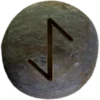
Eihwaz (ᛇ) represents transformation, endurance, and the connection between different states of existence, which resonates with the serpent imagery linked to Sigurd’s identity. Serpents often symbolize change and continuity, making this rune a fitting parallel to his narrative role. The association underscores resilience and the capacity to adapt, qualities that support his participation in significant events alongside his brothers. Together, these runes capture the balance between awareness and transformation in his story.
Meaning of Sigurd Snake-in-the-Eye for Asatruar
Sigurd Snake-in-the-Eye holds importance for Asatruar because his story emphasizes identity, lineage, and the symbolic meaning carried through personal traits. Practitioners often interpret his distinctive eye as a reminder that individuals inherit both strengths and responsibilities from their ancestry. This perspective encourages reflection on how personal qualities connect to broader traditions and shared history. His narrative offers a way to consider the relationship between self and heritage.
The emphasis on cooperation among Ragnar’s sons also highlights the value of unity and shared purpose within a Community. Sigurd’s role demonstrates how individuals contribute to collective goals while maintaining unique identities. This balance between individuality and cooperation resonates with broader cultural values. Through his story, Sigurd Snake-in-the-Eye continues to inspire thoughtful engagement with Norse traditions and their enduring themes.