Last Updated on April 24, 2026
Table of Contents

The Narrative Power of Saga of Ragnar Lothbrok
Saga of Ragnar Lothbrok, also known as Ragnars saga loðbrókar or Ragnarssaga Loðbrókar, represents a central narrative within the corpus of Old Norse legendary literature. The name Ragnar pronounces roughly as RAG-nar, while Loðbrók includes the letter ð, pronounced like the “th” in “this,” and the ó sounding like “oh,” giving LOWTH-broke. This saga blends myth, legend, and historical elements into a compelling story about ambition, exploration, and legacy. Through its vivid storytelling, it captures the imagination and reflects values important to Norse audiences.
The narrative follows Ragnar, a legendary hero and king, whose exploits include battles, voyages, and encounters with extraordinary challenges. Early episodes describe his quest to win the hand of Þóra, a woman guarded by a fearsome serpent, which Ragnar defeats using clever preparation and protective clothing. The letter Þ, called thorn, sounds like the “th” in “thin,” making Þóra pronounced THO-ra. This episode establishes Ragnar’s resourcefulness and determination, qualities that define his character throughout the saga.
Saga of Ragnar Lothbrok also explores Ragnar’s marriages and descendants, presenting his sons as significant figures who continue his legacy. These sons include well known characters such as Björn Ironside and Ivar the Boneless, each with distinct traits and achievements. Their stories intertwine with Ragnar’s narrative, creating a multi generational tale that emphasizes continuity and reputation. This structure allows the saga to expand its themes across different characters and events.
Storytelling within the saga relies on a mixture of dramatic episodes and reflective moments, which highlight both action and consequence. Ragnar’s rise to prominence shows ambition and courage, while his eventual downfall reveals the risks associated with overconfidence and fate. This balance between success and failure gives the narrative emotional depth and complexity. Readers encounter a character who embodies both admirable qualities and human flaws.
Structure and Themes in the Saga
Saga of Ragnar Lothbrok presents a structured progression from youthful ambition to seasoned leadership, illustrating how experiences shape identity over time. Ragnar begins as a determined individual seeking recognition, yet his actions gradually elevate him to a position of authority and influence. This progression reflects the importance of personal growth within Norse storytelling. Each stage of his journey introduces new challenges that test his abilities and judgment.
The saga emphasizes themes of honor, reputation, and the pursuit of glory, which drive many of Ragnar’s decisions and actions. Characters within the narrative often measure success through achievements that others recognize and remember. This focus on external validation creates tension, as individuals strive to maintain their status while facing unpredictable circumstances. Ragnar’s choices reveal both the rewards and dangers associated with this pursuit.
Fate plays a significant role in shaping the events of the saga, influencing outcomes despite the characters’ efforts to control their destinies. Prophecies and warnings appear throughout the narrative, reminding audiences that certain outcomes remain unavoidable. Ragnar’s story reflects this tension between agency and inevitability, as he navigates opportunities and setbacks with determination. The saga uses these elements to explore the limits of human control.
Saga of Ragnar Lothbrok connects to other works within the Norse literary tradition, including the Tale of Ragnar’s Sons, which expands on the exploits of his descendants. These related narratives provide additional context and detail, enriching the overall understanding of the characters and events. Together, they form a broader cycle of stories that highlight continuity and shared themes. This interconnected structure enhances the depth of the tradition.
Legacy and Cultural Influence
The influence of Saga of Ragnar Lothbrok extends beyond its original context, shaping later interpretations of Norse history and mythology. Artists, writers, and historians draw upon its vivid episodes to create new representations of Ragnar and his world. These adaptations often emphasize different aspects of the narrative, from heroic adventure to tragic downfall. The saga’s flexibility allows it to remain relevant across generations.
Alternate spellings such as Ragnars saga loðbrókar and Ragnarssaga Loðbrókar reflect variations in manuscript traditions and modern translations. Despite these differences, the core narrative remains consistent, preserving the essential elements of Ragnar’s story. Pronunciation guides help readers engage with the original language, maintaining a connection to its cultural origins. This attention to linguistic detail supports a deeper appreciation of the text.
The saga’s portrayal of leadership and ambition continues to resonate with audiences who seek to understand the complexities of power and responsibility. Ragnar’s successes demonstrate the potential of determination and skill, while his failures highlight the consequences of misjudgment and pride. This duality creates a nuanced character who invites reflection and interpretation. Through this portrayal, the saga offers insights into human behavior and decision making.
Enduring interest in Saga of Ragnar Lothbrok reflects its ability to combine compelling storytelling with meaningful themes that transcend its historical setting. Readers encounter a narrative that balances action with introspection, creating a rich and engaging experience. The saga’s lasting appeal lies in its exploration of identity, legacy, and the forces that shape human lives. This combination ensures its continued relevance within discussions of Norse mythology and literature.
Runic Symbolism Connected to Saga of Ragnar Lothbrok
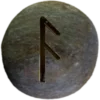
Tiwaz (ᛏ) and Raido (ᚱ) offer symbolic connections to the themes and narrative elements found within Saga of Ragnar Lothbrok. Tiwaz (ᛏ) represents leadership, honor, and the pursuit of justice, aligning closely with Ragnar’s role as a warrior and king who seeks recognition through his actions. This rune emphasizes discipline and commitment, qualities that appear throughout the saga as Ragnar navigates challenges and opportunities. Its association highlights the importance of integrity in leadership.
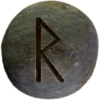
Raido (ᚱ) relates to journeys, movement, and the unfolding of one’s path, which reflects the numerous voyages and campaigns that define Ragnar’s story. His travels across regions symbolize both physical exploration and personal development, illustrating how experience shapes identity. This rune underscores the connection between action and transformation, reinforcing the idea that progress requires movement and adaptation. Together, these runes capture the dynamic nature of the saga.
Significance of Saga of Ragnar Lothbrok for Asatruar
Saga of Ragnar Lothbrok holds importance for Asatruar because it presents themes of honor, courage, and the enduring impact of personal choices within a Community. Practitioners often view the narrative as a source of inspiration for understanding leadership and responsibility. Ragnar’s story illustrates how actions influence both individual reputation and collective memory. This perspective encourages thoughtful engagement with one’s own decisions.
The saga also highlights the value of legacy, as Ragnar’s descendants continue to shape the narrative after his death. This emphasis on continuity resonates with those who consider the long term effects of their actions within a broader cultural framework. The story invites reflection on how individuals contribute to shared traditions and values. Through its rich themes, Saga of Ragnar Lothbrok continues to inspire meaningful interpretation.