
Last Updated on April 24, 2026
Table of Contents
The Wisdom and Structure of Sigrdrífumál
Sigrdrífumál, sometimes written as Sigrdrifumal or Sigrdrifumol, represents a significant poem within the Old Norse poetic tradition that focuses on wisdom, instruction, and mystical knowledge. The name Sigrdrífumál translates to “the sayings of Sigrdrífa,” and pronunciation follows roughly as SIGR-dree-fu-mawl, where the accented í sounds like “ee” in “see.” This work centers on a valkyrie named Sigrdrífa, whose name includes the letter í pronounced clearly and lengthened for emphasis. Through its structure, the poem presents a series of teachings delivered to the hero Sigurðr.
The narrative begins after Sigurðr awakens Sigrdrífa from an enchanted sleep, which sets the stage for a dialogue that blends myth and instruction. Sigrdrífa responds to her awakening by offering knowledge that covers various aspects of life, including runes, conduct, and spiritual awareness. Her role shifts from a passive figure to an active teacher who guides the hero toward deeper understanding. This transformation highlights the importance of wisdom gained through interaction and exchange.
Sigrdrífumál appears in the Poetic Edda, a collection of Old Norse poems preserved in medieval Icelandic manuscripts. Within this context, the poem connects to other heroic narratives, particularly those involving Sigurðr and his adventures. The Edda provides a framework that situates the poem among works that explore fate, heroism, and knowledge. This placement reinforces its significance within the broader literary tradition.
The language of Sigrdrífumál features poetic devices such as alliteration and symbolic phrasing, which enhance its rhythm and memorability. These elements contribute to an atmosphere that feels both instructional and ceremonial, as if the words themselves carry a form of power. Readers encounter a text that encourages careful attention to meaning and interpretation. Through this approach, the poem engages both intellect and imagination.
The Teachings of Sigrdrífa
Sigrdrífa’s teachings form the central portion of the poem, presenting a structured series of instructions that address different aspects of life and conduct. She introduces various types of runes, each associated with specific purposes such as protection, victory, and communication. These explanations emphasize practical application alongside symbolic meaning, offering guidance that extends beyond abstract concepts. The detailed nature of these teachings reflects a desire to equip the listener with useful knowledge.
In addition to runic instruction, Sigrdrífa provides advice on ethical behavior, social interaction, and personal responsibility. She encourages awareness of one’s actions and their consequences, highlighting the importance of thoughtful decision making. This guidance aligns with broader themes found in Norse literature, where characters must navigate complex situations with care and insight. Her words serve as a reminder that wisdom involves both knowledge and application.
The interaction between Sigrdrífa and Sigurðr illustrates a dynamic exchange where questions and answers drive the progression of the narrative. Sigurðr listens attentively, demonstrating respect for the knowledge offered and a willingness to learn. This portrayal reinforces the value placed on curiosity and humility within the tradition. Through this dialogue, the poem presents learning as an active and engaging process.
Sigrdrífumál also connects to the Volsunga Saga, which includes related material that expands on the story of Sigurðr and the valkyrie. The saga provides additional context and narrative detail, enriching the understanding of the events described in the poem. While the poem focuses on instruction, the saga situates these teachings within a broader storyline. Together, they create a more comprehensive portrayal of the characters and their experiences.
Symbolism and Enduring Influence
Symbolism plays a vital role in Sigrdrífumál, particularly through its use of runes as carriers of meaning and power. Each type of rune represents not only a practical function but also a connection to deeper forces within the world. This dual role underscores the idea that knowledge operates on multiple levels, combining tangible effects with symbolic significance. The poem uses this framework to explore the relationship between understanding and action.
The figure of Sigrdrífa herself embodies themes of transformation and enlightenment, as she transitions from an enchanted state to an active source of wisdom. Her awakening symbolizes the release of knowledge that had remained dormant, ready to guide those who seek it. This transformation resonates with broader mythological motifs involving revelation and growth. Through her character, the poem emphasizes the potential for change and insight.
Alternate spellings such as Sigrdrifumal and Sigrdrifumol reflect variations in transcription and translation across different editions. Despite these differences, the essence of the poem remains consistent, preserving its instructional and symbolic content. Pronunciation guides help readers approach the original Old Norse sounds, maintaining a connection to its linguistic heritage. This attention to detail enhances the experience of engaging with the text.
The enduring influence of Sigrdrífumál lies in its combination of narrative and instruction, which allows it to function as both a story and a source of guidance. Readers encounter a work that encourages reflection on knowledge, behavior, and the forces that shape human experience. Its themes continue to resonate, offering insights that extend beyond its original cultural context. Through its structure and content, the poem remains a compelling example of Norse literary tradition.
Runic Themes within Sigrdrífumál
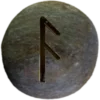
Ansuz (ᚨ) and Sowilō (ᛊ or ᛋ) provide meaningful symbolic connections to the teachings presented in Sigrdrífumál, reflecting the emphasis on knowledge and illumination. Ansuz (ᚨ) relates to communication, wisdom, and the transmission of ideas, aligning closely with the role of Sigrdrífa as a teacher who shares insight with Sigurðr. This rune highlights the importance of speech and understanding in shaping actions and outcomes. Through this association, it reinforces the value of learning and expression.
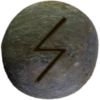
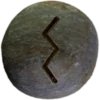
Sowilō (ᛊ or ᛋ) represents clarity, guidance, and the energy that drives progress, which resonates with the enlightening nature of Sigrdrífa’s instructions. Her teachings illuminate paths forward, offering direction and purpose to those who receive them. This rune underscores the idea that knowledge can act as a guiding force, helping individuals navigate challenges and opportunities. Together, these runes capture the balance between communication and illumination within the poem.
Significance of Sigrdrífumál for Asatruar
Sigrdrífumál holds importance for Asatruar because it presents a structured exploration of wisdom, ethical behavior, and the responsible use of knowledge. Practitioners often view the poem as a source of insight into how individuals can approach learning and decision making within a broader cultural framework. The teachings of Sigrdrífa encourage reflection on both personal conduct and communal responsibility. This perspective aligns with values that emphasize awareness and intention.
The poem also highlights the importance of transmission of knowledge, as Sigrdrífa shares her understanding with Sigurðr in a way that ensures continuity. This emphasis on teaching and learning resonates with those who seek to preserve and engage with traditional ideas. The narrative invites individuals to consider how they acquire, apply, and share knowledge within their own lives. Through its themes, Sigrdrífumál continues to inspire thoughtful engagement.