Last Updated on May 7, 2026
Table of Contents
The Funeral Vessel of Baldr
The funeral ship, Hringhorni, pronounced “HRING hor nee,” appears among the most famous vessels within Norse mythology because it carried the god Baldr during his funeral rites after his tragic death. Scholars often spell the name as Hringhorni, Hringhorne, or Ringhorn, although Hringhorni remains the most widely accepted Old Norse form. The Old Norse name likely means “ship with a circular prow” or “ring horned,” reflecting the decorative craftsmanship associated with elite Scandinavian ships from the Viking Age. Readers should pronounce the Old Norse letter “hr” with a strongly breathed “h” sound before the “r,” which differs from standard English pronunciation.
Norse tradition describes Hringhorni as the largest ship ever built among gods and men, giving the vessel enormous symbolic importance within mythological literature. The gods prepared the ship after Baldr died through the deception of Loki, whose schemes caused the blind god Höðr to strike Baldr with mistletoe. Grief spread throughout Asgard because Baldr represented purity, wisdom, peace, and fairness among the divine beings. The funeral rites conducted aboard Hringhorni demonstrated the sacred respect that the gods reserved for Baldr’s memory and spiritual legacy.
The gods placed Baldr’s body upon Hringhorni beside his possessions and treasures before attempting to launch the enormous vessel into the sea. According to the myth, the gods struggled to move the massive ship because its size surpassed the strength of ordinary divine effort. They summoned the giantess Hyrrokkin, pronounced “HEER rok kin,” who arrived riding a wolf and using serpents as reins. Her supernatural strength forced Hringhorni into the water with such power that flames shook the earth and rollers beneath the ship burst apart.
Nanna, Baldr’s wife, died from grief during the funeral preparations and joined her husband aboard Hringhorni before the funeral pyre ignited. Odin placed the magical ring Draupnir upon Baldr’s body as a final offering, while Thor consecrated the pyre with his hammer. During the ceremony, Thor also kicked a dwarf named Lit into the flames after the dwarf interfered with the sacred rites. These dramatic scenes reinforced the emotional gravity surrounding Baldr’s death and highlighted the cosmic consequences associated with the approaching destruction of Ragnarök.
The Funeral Ship in Norse Literary Tradition
Hringhorni appears most clearly within the Prose Edda, written during the thirteenth century by Snorri Sturluson, pronounced “SNOR ree STURT loo son.” The Prose Edda preserved many myths from earlier oral traditions and remains one of the primary sources for understanding Norse cosmology and mythology. Snorri described Baldr’s funeral in vivid detail while emphasizing the overwhelming sorrow experienced by gods, giants, and other beings throughout the worlds.
References to Baldr also appear in the Poetic Edda, particularly within poems connected to prophecy and divine tragedy. These poems describe Baldr’s ominous dreams, the fears surrounding his fate, and the irreversible events leading toward Ragnarök. Although Hringhorni receives less detailed treatment within the poetic material, the funeral narrative became central to later interpretations of Baldr’s mythological significance. Medieval Icelandic writers preserved these traditions because they reflected heroic values, sacred obligations, and the fragile balance existing between order and chaos.
The image of Hringhorni continued influencing artistic depictions of Viking funerals and Scandinavian legendary culture for centuries after the medieval period ended. Historians often connect the mythological funeral vessel with archaeological discoveries involving elaborate ship burials across Scandinavia. Ships discovered at sites such as Oseberg and Gokstad demonstrated how strongly Norse societies associated vessels with status, spiritual journeys, and remembrance after death. Mythology and burial customs therefore reinforced one another through shared cultural symbolism.
Hringhorni remains important because it symbolizes transition, honor, mourning, and destiny within Norse mythology. The vessel carried not only Baldr’s body, but also the grief of the gods and the recognition that even divine beings could not escape fate. Its story continues attracting readers because it combines emotional tragedy, supernatural spectacle, and cultural insight into the worldview of medieval Scandinavia. Through this myth Hringhorni became an enduring image of sacred farewell and heroic remembrance.
Runes Connected with The Funeral Ship, Hringhorni
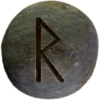
The Elder Futhark rune Raido (ᚱ), pronounced “RYE though,” connects strongly with Hringhorni because the rune represents journeys, movement, travel, and ritual processions. Norse symbolism often linked ships with spiritual passage and ceremonial transition between worlds, making Raido (ᚱ) especially relevant to Baldr’s funeral voyage. The rune also reflected ordered movement guided by sacred purpose, which suited the solemn procession surrounding Baldr’s final rites.
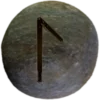
The rune Laguz (ᛚ), pronounced “LAH gooz,” also relates closely to Hringhorni because it symbolizes water, intuition, deep emotion, and unseen spiritual forces. Water carried enormous importance within Norse culture because the sea connected distant lands while also representing mystery and danger. The launch of Hringhorni into the water reflected themes associated with transformation, sorrow, and passage beyond mortal existence. Together, Raido (ᚱ) and Laguz (ᛚ) represent movement across sacred waters toward an uncertain but meaningful destiny within Norse mythological tradition.
The Importance of The Funeral Ship, Hringhorni to Asatruar
Many Asatruar view Hringhorni as a powerful symbol of honor, remembrance, and sacred transition within Norse spiritual tradition. The story of Baldr’s funeral emphasizes loyalty among family members, respect for the dead, and acceptance of fate even during profound sorrow. These themes resonate strongly among modern followers who value historical customs and mythological teachings connected with the old Norse gods.
Hringhorni also represents communal responsibility because every god participated in honoring Baldr after his death. Modern practitioners often interpret this cooperation as an example of mutual support and reverence during times of mourning and hardship. The myth encourages reflection upon legacy, courage, and the enduring importance of memory within spiritual life.
Some Asatruar also appreciate Hringhorni because it reflects ancient Scandinavian attitudes toward death as a journey rather than a final ending. The image of a sacred vessel carrying Baldr toward the unknown continues inspiring rituals, artwork, storytelling, and modern interpretations of Norse identity and spiritual continuity.