Last Updated on April 13, 2026
Table of Contents
The Radiant Presence of Baldr and His Enduring Story
Baldr stands as one of the most beloved figures among the gods, and his name also appears as Baldr, Balder, or Baldr in different linguistic traditions and translations. You pronounce Baldr as BAL-dur, where the first syllable carries a clear and open vowel, and the second syllable sounds like dur in the English word endure. The Old Norse form Baldr, pronounced BAL-dr with a slightly rolled r, reflects an older phonetic structure that preserves the compact ending.
He embodies light, beauty, and harmony, and many stories describe him as radiant in both appearance and character, which draws admiration from gods and humans alike. His presence brings a sense of peace and balance, and people often associate him with qualities that uplift and inspire those around him. This reputation establishes him as a central figure whose well-being directly affects the stability of the wider world.
His mother, Frigg, begins to experience troubling dreams that warn of danger surrounding Baldr, and these visions drive her to take action in order to protect him. She travels across the world and secures promises from all things, including animals, plants, metals, and stones, that they will not harm her son. This extensive effort creates a sense of invulnerability around Baldur, and it reassures the gods that no threat can reach him.
The Deception and the Fall
Despite these protections, one small detail escapes Frigg’s attention, since she does not consider mistletoe significant enough to require an oath, and this oversight creates a critical weakness. Loki discovers this gap and decides to exploit it, which sets in motion a tragic sequence of events that changes everything. He crafts a dart or spear from mistletoe and guides Höðr, Baldur’s blind brother, to throw it during a game where the gods test Baldr’s invulnerability.
The projectile strikes Baldr and causes his death, which shocks everyone present and shatters the sense of safety that surrounded him. This moment marks a turning point, because it introduces irreversible loss into a world that had previously felt secure. The grief that follows spreads across gods and realms, and it demonstrates how deeply Baldr’s presence influences those around him.
Efforts to bring Baldr back from the realm of the dead show the determination of the gods to restore what they have lost, and they send a messenger to negotiate his return. The condition requires that all beings weep for him, which nearly succeeds, yet one figure refuses and prevents his release. This refusal ensures that Baldr remains in the underworld, which reinforces the finality of his death and the consequences of deception.
Mentions in Early Texts and Lasting Meaning
Baldr appears prominently in both the Poetic Edda and the Prose Edda, where his story unfolds through detailed accounts of his dreams, death, and the attempts to bring him back. These texts present him as a figure whose fate carries immense significance, and they connect his story to larger events that shape the future of the world. His presence in these works confirms his central role within early narrative traditions.
His story also connects to themes of renewal, since some accounts describe his return after the destruction and rebirth of the world, which offers a sense of hope beyond loss. This element introduces the idea that even profound endings can lead to new beginnings, and it gives his narrative a cyclical quality. People often interpret this aspect as a reflection of resilience and the possibility of restoration.
Modern discussions continue to explore Baldr as a symbol of light, innocence, and the fragility of harmony, and his story encourages reflection on how easily balance can shift. His name, whether spelled Baldr, Baldur, or Balder, continues to carry associations with brightness and beauty. The pronunciation BAL-dur remains consistent, preserving the clarity and strength of his identity across different contexts.
Runes Connected to the Nature of Baldr
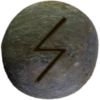
The rune Sowilō (ᛊ or ᛋ), pronounced SOH-wee-loh, represents the sun, light, and success, and it aligns closely with Baldr’s radiant presence and uplifting influence. This rune emphasizes clarity and vitality, which reflects the sense of harmony that Baldr brings to those around him. Sowilō (ᛊ or ᛋ) also symbolizes guidance and direction, which connects to the way his presence shapes the emotional and spiritual environment of the gods.
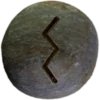
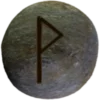
The rune Wunjō (ᚹ), pronounced WOON-yoh, represents joy, harmony, and fellowship, and it mirrors the happiness and unity that Baldr inspires within his Community. This rune highlights the importance of connection and shared well-being, which become especially significant after his loss. Together, Sowilō (ᛊ or ᛋ) and Wunjō (ᚹ) illustrate the light and joy that define Baldr’s character and the impact he has on others.
The Importance of Baldr to Asatruar
Asatruar often regard Baldr as a powerful symbol of light and harmony, and his story provides a meaningful reflection on the value of peace and balance within both personal and communal life. His presence encourages individuals to cultivate positive qualities that support unity and understanding. This perspective reinforces the importance of maintaining harmony even in challenging circumstances.
His death also carries deep significance, since it demonstrates how quickly stability can break when deception and neglect enter the picture. This aspect of his story encourages careful attention to actions and decisions, especially when they affect others. Many find guidance in this lesson as they navigate relationships and responsibilities within their communities.
Baldr continues to hold relevance because he represents both the beauty of harmony and the consequences of its loss, and his story invites reflection on how to preserve balance in everyday life. His enduring presence supports values such as honesty, awareness, and connection. This lasting influence ensures that his story remains meaningful within modern spiritual perspectives.