Last Updated on April 23, 2026
Table of Contents
The Valknut and Its Enigmatic Power
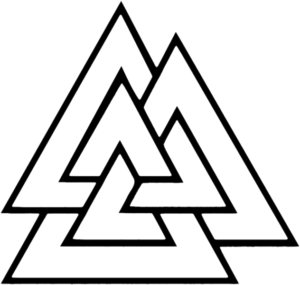
Valknut, sometimes written as Valknut or described as the “knot of the slain,” stands as one of the most recognizable symbols connected with Norse mythological imagery and warrior culture. The term combines valr, meaning slain warriors, and knut, meaning knot, which scholars pronounce as VALK-noot with a clear and rounded vowel sound. This name reflects both its visual structure and its thematic connection to death, battle, and the transition between worlds.
The symbol typically appears as three interlocking triangles, arranged in a way that suggests unity, continuity, and an unbroken cycle. Archaeological finds show the Valknut carved on stones and depicted alongside figures associated with Odin, reinforcing its connection to themes of death and spiritual passage. Its geometric simplicity contrasts with its complex meaning, which invites interpretation rather than offering a single clear explanation.
Alternate descriptions sometimes refer to it as Hrungnir’s heart, linking it to a legendary giant whose heart supposedly shared a triangular form. This association adds another layer of symbolic meaning, connecting the Valknut with both divine and adversarial forces within the mythological framework. Through these connections, the symbol maintains a multifaceted identity that continues to intrigue scholars and enthusiasts alike.
Archaeological Presence and Cultural Context
Artifacts featuring the Valknut appear across various regions of the Norse world, including rune stones and burial markers that emphasize its association with death and remembrance. These depictions often place the symbol near scenes involving warriors, animals, or figures believed to represent Odin, which strengthens its link to the afterlife. The consistent pairing with such imagery suggests that people understood it as a marker of transition rather than a simple decorative element.
Its presence in funerary contexts indicates that the Valknut may have symbolized the journey of the fallen into another realm, possibly under Odin’s guidance. This interpretation aligns with the broader belief that certain warriors would continue their existence beyond death in a place of honor and preparation. The symbol thus becomes a visual shorthand for a complex set of ideas surrounding fate, sacrifice, and continuation.
No direct mention of the Valknut appears in surviving Eddas or sagas, which leaves its precise meaning open to interpretation and scholarly debate. Despite this absence, its repeated appearance in material culture provides strong evidence of its importance within the Norse worldview. The lack of textual explanation enhances its mystique and encourages ongoing exploration of its significance.
Symbolism and Interpretive Meaning
The Valknut symbolizes the interconnected nature of life, death, and destiny, forming a visual representation of cycles that resist simple resolution. Each triangle may represent a distinct aspect of existence, such as past, present, and future, or body, mind, and spirit, though interpretations vary widely. This flexibility allows the symbol to maintain relevance across different contexts and perspectives.
Its interlocking design suggests unity and binding, which aligns with the idea that fate weaves together individual lives into a larger pattern. This concept resonates strongly within Norse mythology, where destiny operates as an active and shaping force rather than a distant abstraction. The Valknut captures this sense of inevitability while also emphasizing the strength required to face it.
Modern representations often highlight its connection to courage and the acceptance of mortality, presenting it as a symbol that honors those who confront life’s challenges directly. Artists and historians continue to explore its meaning through visual and textual analysis, contributing to a growing body of interpretation. The Valknut endures as a powerful emblem that bridges ancient belief and contemporary reflection.
Runic Associations with the Valknut
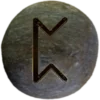
The rune Perthro (ᛈ) aligns with the Valknut through its connection with fate, mystery, and the unfolding of hidden forces that shape human experience. This rune reflects the idea of destiny as something both structured and unpredictable, which mirrors the symbolic complexity of the Valknut. Perthro (ᛈ) emphasizes the unknown aspects of existence, reinforcing the sense that the symbol represents deeper layers of meaning beyond immediate understanding.
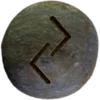
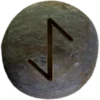
Another rune that complements the Valknut is Eihwaz (ᛇ), which represents transformation, endurance, and the connection between different states of being. This rune resonates with the symbol’s association with death and transition, highlighting the movement between life and what lies beyond. Eihwaz (ᛇ) underscores resilience and continuity, qualities that align with the interwoven structure of the Valknut and its enduring significance.
The Valknut and Its Meaning to Asatruar
The Valknut holds strong meaning for Asatruar because it represents the acceptance of mortality and the courage required to face life’s inevitable challenges. Its association with fallen warriors encourages reflection on the values of honor, strength, and purposeful action. Through this symbol, practitioners often find inspiration to live with intention and awareness of life’s transient nature.
Its interlocking design also supports the idea that all aspects of existence remain connected, reinforcing a worldview that values balance and continuity. This perspective encourages individuals to consider how their actions influence both present circumstances and future outcomes. The Valknut thus serves as a reminder of responsibility and the interconnected nature of experience.
Many view it as a symbol that bridges physical and spiritual realities, offering a visual representation of the journey between them. Its enduring presence within modern practice reflects its ability to convey complex ideas through a simple yet powerful form. The Valknut continues to inspire reflection, resilience, and a deeper connection to tradition.