Last Updated on April 23, 2026
Table of Contents
Julebukking and the Yule Goat Tradition
Julebukking, also written as Julebocking or Julebukk, refers to a seasonal tradition rooted in Norse cultural practices that later blended into broader Scandinavian winter celebrations. The term combines the word jul, meaning Yule or midwinter festival, and bukk, meaning goat, with pronunciation approximated as YOO-leh-book-king for Julebukking and YOO-leh-book for Julebukk. This naming reflects a strong association with ritual performance, disguise, and communal festivity during the darkest part of the year.
Participants in Julebukking traditionally dressed in goat costumes or masked disguises, traveling between homes to sing, perform, and request food or drink. This custom created a lively atmosphere where boundaries between performer and observer blurred, encouraging interaction and shared celebration. The goat figure itself held symbolic meaning connected to fertility, vitality, and the turning of seasonal cycles.
Although later folklore preserves most details, earlier Norse beliefs likely influenced the imagery and ritual tone of the practice. The goat connects strongly with the god Thor, whose chariot drew power from goats, suggesting a mythological background that informed later cultural expressions. Through these connections, Julebukking represents both continuity and adaptation within northern traditions.
Ritual Practice and Cultural Role
Julebukking functioned as a communal activity that strengthened social bonds during winter, when isolation and harsh conditions made cooperation essential. Groups would move from house to house, offering entertainment in exchange for hospitality, which created a cycle of giving and receiving that reinforced Community ties. The disguises allowed participants to adopt temporary identities, adding an element of playful mystery to the event.
Costumes often featured straw constructions, animal skins, or carved masks that emphasized transformation and theatricality. These elements allowed performers to embody the spirit of the Yule goat, which symbolized both abundance and unpredictability. Through this embodiment, participants engaged with themes of renewal and transition that defined the seasonal festival.
No direct references to Julebukking appear in the Eddas or sagas, yet its symbolic elements align closely with motifs found in Norse mythology. The emphasis on disguise, transformation, and ritual movement reflects broader mythological patterns that explore shifting identities and liminal spaces. This connection suggests that the tradition evolved from earlier beliefs into a more structured communal practice.
Symbolism and Evolution Over Time
Julebukking symbolizes the blending of mythological imagery with seasonal celebration, where ancient ideas take on new forms within changing cultural contexts. The goat figure represents vitality and resilience, qualities that communities valued during the long winter months. This symbolism reinforces the idea that life persists and renews itself despite environmental challenges.
Over time, the tradition adapted to different regions and social conditions, leading to variations in performance and interpretation. Some versions emphasized humor and mischief, while others focused on ritual seriousness and symbolic meaning. These variations demonstrate the flexibility of the practice and its ability to remain relevant across generations.
Modern interpretations often highlight Julebukking as a precursor to later holiday customs that involve costuming and house to house visitation. This perspective places the tradition within a broader historical framework that traces the evolution of winter celebrations. Julebukking endures as a vivid example of how cultural practices transform while preserving core symbolic elements.
Runic Associations with Julebukking
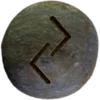
The rune Jēra (ᛃ) aligns naturally with Julebukking due to its connection with cycles, harvest, and the passage of time that leads from one season into another. This rune reflects the turning of the year and the promise of renewal that follows periods of darkness and hardship. Jēra (ᛃ) complements the tradition by emphasizing continuity and the reward that comes through patience and communal effort.
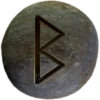
Another rune that resonates with this practice is Berkanan (ᛒ), which represents growth, fertility, and the nurturing aspects of life that sustain communities. This rune connects with the goat symbolism within Julebukking, reinforcing themes of vitality and regeneration during the winter season. Berkanan (ᛒ) highlights the importance of care and renewal, which align closely with the spirit of the tradition.
Julebukking and Its Meaning to Asatruar
Julebukking holds meaning for Asatruar because it reflects the importance of seasonal cycles and the role of community in maintaining cultural continuity. The tradition encourages participation, creativity, and shared experience, which strengthen bonds between individuals during significant times of the year. Through these elements, it offers a way to engage actively with heritage and seasonal change.
Its connection with symbolic imagery such as the goat reinforces themes of resilience, vitality, and renewal that remain central to spiritual reflection. Practitioners often view these elements as reminders of the ongoing relationship between human life and Natural Cycles. This perspective supports a balanced approach to both celebration and contemplation.
Many see Julebukking as a bridge between past and present, where ancient motifs continue to inspire modern expression and understanding. The practice demonstrates how traditions can evolve while retaining meaningful connections to their origins. Julebukking remains a valuable and engaging aspect of cultural and spiritual life.