Last Updated on April 24, 2026
Table of Contents
The Symbolism and Cultural Role of Drykkjarhorn
Drykkjarhorn, sometimes written as Drykkjar horn or Anglicized as Drinking Horn, represents a prominent object within Norse mythological and cultural traditions. The Old Norse term Drykkjarhorn translates directly to “drinking horn,” and pronunciation follows roughly as DRIHK-yar-horn, where the “kkj” carries a sharp, blended sound and the rolled “r” adds emphasis. This object reflects both everyday life and ceremonial importance, bridging practical use with symbolic meaning. Through its presence, it connects feasting, honor, and social bonds within Norse storytelling.
Crafted from animal horns, often from cattle or similar creatures, the Drykkjarhorn served as a vessel for consuming mead, ale, or other beverages. Artisans shaped and polished these horns carefully, sometimes adding metal fittings or intricate carvings that displayed wealth and craftsmanship. The horn’s curved form gave it a distinctive appearance, making it both functional and visually striking during gatherings. Its use required deliberate handling, since it could not rest upright without support, which encouraged continuous participation in communal drinking rituals.
Drykkjarhorn appears in mythological narratives where gods and heroes share drinks during feasts that reinforce alliances and celebrate victories. These scenes highlight the importance of hospitality and generosity, as hosts offered filled horns to guests as a sign of respect. The act of passing a horn from one individual to another symbolized trust and unity, strengthening social ties within the group. Such rituals elevated the drinking vessel beyond simple utility into a meaningful cultural artifact.
In literary sources like the Poetic Edda and the Prose Edda, references to drinking horns occur within descriptions of feasts in divine halls such as Valhalla. These texts describe gods and warriors engaging in communal drinking, where horns circulate among participants in structured and ceremonial ways. Although the term Drykkjarhorn may not always appear explicitly, the object itself plays a clear role in shaping the atmosphere of these gatherings. These depictions provide insight into how Norse audiences understood celebration and fellowship.
Ritual Use and Social Meaning
Drykkjarhorn functioned as more than a container, since it played a central role in ritualized drinking practices that reinforced hierarchy and tradition. Leaders or honored guests often received the first drink, which demonstrated their status within the group and acknowledged their achievements. This structured approach to sharing beverages created a sense of order and respect during communal events. Participants understood their roles within the sequence, which strengthened cohesion and mutual recognition.
The act of making toasts with a Drykkjarhorn carried symbolic weight, as individuals spoke words of praise, remembrance, or intention before drinking. These spoken elements connected memory and identity, allowing participants to honor ancestors or celebrate shared accomplishments. The horn served as a focal point during these moments, drawing attention to the speaker and the message conveyed. This combination of speech and action reinforced the cultural importance of storytelling and oral tradition.
Drykkjarhorn also appeared in oath taking ceremonies, where individuals pledged loyalty or declared commitments in front of witnesses. Holding the horn while speaking such promises added gravity to the occasion, since it linked the act with communal recognition and expectation. The physical presence of the horn underscored the seriousness of the words spoken, making the ritual more memorable and binding. Through this use, the object became associated with integrity and accountability.
Archaeological discoveries of decorated horns and horn fittings support the literary descriptions, revealing the care invested in creating these vessels. Craftspeople often incorporated motifs that reflected mythological themes, including animals and interwoven patterns that conveyed symbolic meaning. These designs enhanced the horn’s visual appeal while also connecting it to broader cultural narratives. The combination of artistry and function ensured that each Drykkjarhorn held both practical and expressive value.
Mythological Resonance and Lasting Influence
Stories within Norse mythology sometimes describe extraordinary drinking feats involving horns, emphasizing endurance and supernatural ability. One well known example involves a contest where a figure attempts to empty a horn connected to a vast source, revealing the illusion behind the challenge. Such narratives highlight the horn as a tool for testing strength, wit, and perception. They also demonstrate how myth transforms ordinary objects into instruments of wonder and revelation.
The imagery of the Drykkjarhorn extends beyond myth into artistic representations, where it appears in carvings, manuscripts, and later interpretations of Norse culture. Artists often depict figures raising horns during feasts or ceremonies, capturing moments of unity and celebration. This recurring image reinforces the association between the horn and communal identity. It also helps modern audiences visualize the social dynamics described in ancient texts.
Alternate spellings such as Drykkjar horn and Drinking Horn reflect differences in translation and adaptation across languages and time periods. Despite these variations, the core concept remains consistent, emphasizing the object’s role in both daily life and ceremonial practice. Pronunciation guides allow readers to approach the original Old Norse term with greater accuracy, preserving a sense of authenticity. This attention to language deepens engagement with the cultural context.
Drykkjarhorn continues to influence modern interpretations of Norse heritage, appearing in reenactments, literature, and visual media that draw inspiration from historical sources. Its enduring presence highlights the importance of shared experiences and symbolic objects in shaping cultural identity. Through its combination of utility, artistry, and meaning, the Drykkjarhorn remains a compelling representation of Norse tradition and storytelling.
Runic Connections to Drykkjarhorn
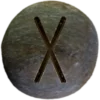
Gebō (ᚷ) and Wunjō (ᚹ) offer meaningful symbolic connections to the themes embodied by the Drykkjarhorn within Norse tradition. Gebō (ᚷ) represents gift giving, exchange, and mutual obligation, which aligns with the act of sharing drinks during communal gatherings. When individuals pass a horn and offer a drink, they participate in a cycle of generosity that strengthens relationships and reinforces trust. This rune captures the reciprocal nature of hospitality reflected through the use of the vessel.
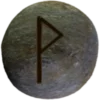
Wunjō (ᚹ) relates to joy, harmony, and collective well being, making it closely associated with the atmosphere created during feasts where the Drykkjarhorn appears. Participants experience a sense of unity and celebration as they share stories, make toasts, and engage with one another. The horn acts as a focal point for these interactions, enhancing the emotional tone of the gathering. Together, these runes emphasize the importance of connection and shared experience.
Meaning of Drykkjarhorn for Asatruar
Drykkjarhorn holds significance for Asatruar because it represents Community, tradition, and the act of sharing meaningful experiences. Practitioners often use the concept of the drinking horn as a symbol of unity during gatherings and rituals. The object reflects values such as hospitality, respect, and the importance of spoken words within communal settings. These elements align with broader cultural and spiritual practices.
The association with toasts and oaths gives the Drykkjarhorn a role in expressing intention and honoring commitments within a group. Individuals may view it as a reminder that words carry weight when shared publicly and sincerely. The symbolic presence of the horn encourages mindfulness during interactions and ceremonies. Through its enduring meaning, the Drykkjarhorn continues to inspire engagement with Norse traditions.